
Sign up to save your podcasts
Or

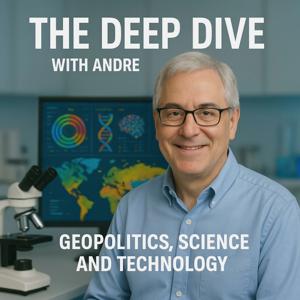

This source provides a comprehensive guide for citizen scientists interested in constructing CRISPR-based biosensors. It explains the fundamental principles of CRISPR technology, including the differences and applications of various Cas enzymes like Cas9, Cas12a, and Cas13a for detecting DNA and RNA. The text then outlines the complete workflow for a biosensor test, covering sample preparation, target amplification via isothermal methods (like RPA and LAMP), and diverse readout methodologies such as fluorescence, colorimetric assays, and lateral flow tests. Finally, it addresses the practical aspects of setting up a home laboratory, from sourcing reagents and equipment to navigating crucial safety protocols (BSL-1), legal considerations, and the ethical implications of DIY diagnostics.
Research done with the help of artificial intelligence, and presented by two AI-generated hosts.
 View all episodes
 By Andre Paquette


3.7
33 ratings
This source provides a comprehensive guide for citizen scientists interested in constructing CRISPR-based biosensors. It explains the fundamental principles of CRISPR technology, including the differences and applications of various Cas enzymes like Cas9, Cas12a, and Cas13a for detecting DNA and RNA. The text then outlines the complete workflow for a biosensor test, covering sample preparation, target amplification via isothermal methods (like RPA and LAMP), and diverse readout methodologies such as fluorescence, colorimetric assays, and lateral flow tests. Finally, it addresses the practical aspects of setting up a home laboratory, from sourcing reagents and equipment to navigating crucial safety protocols (BSL-1), legal considerations, and the ethical implications of DIY diagnostics.
Research done with the help of artificial intelligence, and presented by two AI-generated hosts.

14,393 Listeners

5,546 Listeners
12,231 Listeners

4,186 Listeners
1,627 Listeners

21 Listeners

16,305 Listeners