
Sign up to save your podcasts
Or

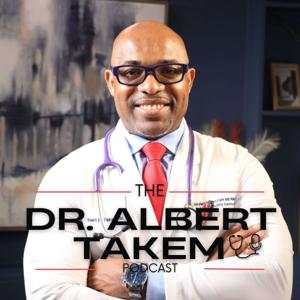


The lecture discusses weight loss with GLP-1 medications, debunks muscle loss myths, highlights protein intake and resistance training, and advocates for informed decisions with healthcare professionals.
In this episode, I break down the real science of weight loss with a focus on GLP-1 medications like Ozempic and Mounjaro. Using Natasha’s situation as the starting point, I address one of the biggest fears I hear in clinic: the idea that these medications “eat your muscle” and leave you weaker or looking older. I explain the truth clearly. Some lean mass loss can happen with weight loss, but that is not unique to GLP-1s. It occurs with any meaningful weight loss approach. Once you understand how the body responds to calorie restriction, the fear becomes a lot easier to manage. Then I focus on what actually protects your muscle while you lose weight. I emphasize two pillars: getting enough protein each day and doing resistance training consistently. If you want to lose fat without sacrificing strength, you need both. I close by clearing up the most common myths and reminding you that the best results come from an informed plan built with a healthcare professional, not internet advice.
Questions for Dr. Takem and the team
💡 Start your journey today with Maryland Primary Care & Wellness
Book your consultation: https://www.maryland-primarycare.com/
The episode explores the complexities of the 3,500 calorie rule in weight loss, emphasizing personalized strategies and the need for collaboration between patients and physicians to overcome plateaus and misinformation.
In this episode, I explore the 3,500 calorie rule in relation to weight loss, prompted by concerns raised by my patient, Brittany, who experienced a plateau after losing 50 pounds. I explain the premise that a caloric deficit of 3,500 calories leads to the loss of one pound but discuss how this principle can become complicated due to metabolic adaptations over time. Sharing insights from my own weight loss journey, I address the diverse experiences of individuals, emphasizing the importance of a personalized approach to weight loss. I advocate for a collaborative relationship between physicians and patients to navigate misinformation and adapt strategies as progress slows. The episode concludes with practical advice on using the 3,500 calorie rule as a guideline while being patient with the weight loss process, reinforcing the importance of informed decision-making in healthcare.
Questions for Dr. Takem and the team
💡 Start your journey today with Maryland Primary Care & Wellness
Book your consultation: https://www.maryland-primarycare.com/
Dr. Takem and Dr. Khan highlight the overlooked epidemic of fatty liver disease, stressing= the need for awareness, screenings, and lifestyle changes to combat its rising prevalence and associated health risks.
In this episode, I’m talking about an epidemic most people have never heard of: fatty liver disease. The most alarming part is that about 95% of people who have it don’t even know it. I’m joined by my colleague Dr. Khan, who explains why fatty liver gets ignored so often. In primary care, obesity and diabetes take center stage, and fatty liver is treated like an afterthought. But it shouldn’t be, because it’s closely tied to metabolic health and it can quietly progress over time. We break down the biggest risks connected to fatty liver disease, including its strong link to cardiovascular disease and the danger of liver fibrosis. This can develop with little to no symptoms, which is exactly why so many people miss it until it’s advanced. We also talk about what to do about it. That starts with awareness and proactive screening in the right patients, and then a real treatment plan centered on lifestyle changes and long-term metabolic improvement. Fatty liver disease is rising fast, and projections suggest it will become even more common by 2050. My goal with this episode is simple: help you recognize the risk, understand what’s happening in your body, and take action early while you still have leverage.
Questions for Dr. Takem and the team
💡 Start your journey today with Maryland Primary Care & Wellness
Book your consultation: https://www.maryland-primarycare.com/
Dr. Takem and Dr. Russ discuss post-procedure anxieties, using Tom's knee injection experience to illustrate the dangers of self-diagnosis and the need for better patient education to prevent unnecessary emergency visits.
In this episode, Dr. Russ and I talk about the anxiety that can show up after a procedure, and how quickly it can spiral when you start searching online. We use a patient story to make it real. Tom had a knee injection, noticed redness and soreness afterward, and after reading about complications on the internet, he became convinced he might have septic arthritis. That fear pushed him to the emergency room. I walk through this with Dr. Russ because I want you to have a clearer framework for what is normal after an injection and what is not. Dr. Russ explains why self diagnosis is risky, especially when you are relying on internet searches or AI tools to interpret symptoms without context. Instead, the safest and most helpful step is to contact your healthcare team so you can get guidance that fits your situation. We break down the common expected reactions after a knee injection, including localized tenderness and bruising. We also outline the warning signs that should prompt urgent evaluation, including spreading redness beyond the injection site, increasing warmth, swelling, fever, chills, or feeling generally unwell. The bigger message is about communication. When patients know what to expect ahead of time and have an easy way to reach their care team afterward, it reduces panic and prevents unnecessary emergency visits. My goal is to help you respond to symptoms with the right level of urgency, without letting fear or online information make the decision for you.
Questions for Dr. Takem and the team
💡 Start your journey today with Maryland Primary Care & Wellness
Book your consultation: https://www.maryland-primarycare.com/
The lecture debunks weight loss myths using Jamal's case, stressing the importance of caloric balance and understanding the hidden caloric content of "healthy" snacks, while providing evidence-based weight management tips.
In this episode, I break down one of the biggest misconceptions in weight loss using a real patient story, Jamal. He’s frustrated because he’s doing what he thinks he’s supposed to do. He’s working out consistently and eating what he calls a “healthy” diet, but the scale won’t move. I explain why this happens so often. Exercise is great for your heart and your mental health, but for weight loss it won’t deliver results if your diet isn’t aligned with your goal. Weight loss comes down to caloric balance, and most people don’t realize how easy it is to erase their workout with what they’re eating. Jamal is a perfect example. He was snacking on “healthy” foods like nuts and avocados, not realizing how quickly the calories add up. That’s why I push people to stop relying on vague labels like “healthy” and start paying attention to actual numbers. I also address the starvation mode myth directly and talk about what the science really says about eating fewer calories. Then I close with practical steps you can use right away to create a caloric deficit and make smarter, evidence-based decisions about your weight loss plan.
Questions for Dr. Takem and the team
💡 Start your journey today with Maryland Primary Care & Wellness
Book your consultation: https://www.maryland-primarycare.com/
Dr. Takem and Dr. Russ discuss patient anxieties about knee injections for arthritis, emphasizing preparation, support, and the procedure's safety to empower patients to confront their fears.
In this episode, I talk with Dr. Russ about why so many patients feel anxious about knee injections for arthritis, and what the experience is actually like. We walk through a real scenario with a patient I’ll call Robert, who was nervous about how painful the procedure would be. Dr. Russ explains that while you might feel some discomfort, local anesthetic and simple techniques like distraction can make the injection much more tolerable. We also discuss how unrealistic expectations can make the fear worse, and why it helps to address anxiety before you ever get into the procedure room. We then talk about what happens when people avoid treatment out of fear. Arthritis tends to worsen over time, and delaying care can limit your options later. Dr. Russ compares it to ignoring car maintenance until everything breaks down. To finish, we share practical tips for injection day, like wearing comfortable clothing and bringing a supportive person if that helps you feel calmer. The bottom line is that knee injections are generally safe, often very manageable with the right approach, and can be genuinely helpful. My goal is for you to feel informed, steady, and ready to get the care you need.
Questions for Dr. Takem and the team
💡 Start your journey today with Maryland Primary Care & Wellness
Book your consultation: https://www.maryland-primarycare.com/
This episode explores interpreting lab reports, covering key tests like the metabolic panel and CBC, highlighting kidney health, and emphasizing the importance of proactive communication with healthcare providers for better health management.
In this episode, I examine the complexities of interpreting lab reports and share a patient's experience seeking clarity on his results after poor communication with his doctor. I break down the comprehensive metabolic panel, discussing the roles of electrolytes, calcium, and glucose in bodily functions. I also cover the importance of EGFR for kidney health and liver enzymes in detoxification, alongside the complete blood count (CBC) features and the thyroid’s role in regulating metabolism. I highlight the value of urinalysis in health assessments and the need for regular hepatitis C screenings. Ultimately, I empower listeners to engage proactively with their healthcare providers to better understand their lab results and improve their health management.
Questions for Dr. Takem and the team
💡 Start your journey today with Maryland Primary Care & Wellness
Book your consultation: https://www.maryland-primarycare.com/
Dr. Takem and Dr. Khan discuss distinguishing burnout from clinical depression, emphasizing the need for primary care consultations and proactive mental health management, including exercise, sleep, and reducing alcohol intake.
In this episode, Dr. Khan and I talk about how hard it can be to tell the difference between burnout and clinical depression. I share a real case of a project manager who thought work stress was the problem, but after digging deeper, it became clear that personal and family struggles were driving major depression and showing up as “burnout.” We also discuss why primary care is often the best place to start. I want listeners to understand that depression doesn’t just affect your thoughts. It can show up in your body too, through sleep problems, low energy, brain fog, and other physical symptoms. We talk about how common depression really is, about one in six adults will experience a depressive episode, and we clear up the misconception that depression only counts if someone is suicidal. As a family physician, I also emphasize how important it is for primary care doctors to ask the right questions and screen for mental health concerns. My main takeaways are simple: if low mood lasts more than two weeks, talk to someone, protect your sleep, limit alcohol, consider therapy or medication when appropriate, and make exercise part of your plan because it can be a powerful treatment for depression. This conversation is a reminder that we need to be more aware, more proactive, and more willing to talk about mental health before things spiral.
Questions for Dr. Takem and the team
💡 Start your journey today with Maryland Primary Care & Wellness
Book your consultation: https://www.maryland-primarycare.com/
In this episode, I explore the realities of depression treatment through the story of my patient Erica, a mother and federal employee whose experience reflects what I see every day in clinic. I explain why depression is not a willpower problem. It is a brain-based illness with real biological changes, and misunderstanding that leads many people to delay care for far too long. I walk through how treatment can be truly life-changing when it is the right treatment. In Erica’s case, medication helped her feel more like herself again. It improved the way she related to her husband and children and helped her function better at work. That kind of transformation is not rare, but people often miss out on it because they are afraid of what antidepressants mean. I also talk about what happens when depression goes untreated. Many people turn to coping strategies like overeating or substances to manage emotional pain, and over time those patterns can create even bigger health problems. That is why I emphasize the importance of identifying depression as the underlying issue instead of only chasing symptoms. I address the misconceptions I hear most often, fears about side effects, fears that medication will change your personality, and worries that starting an antidepressant means you will be on it forever.
I explain what is actually true, and why a strong, collaborative relationship with a healthcare provider matters so much when navigating treatment options. Finally, I make the case for a personalized plan that often includes both medication and therapy. Pharmacotherapy and psychotherapy together tend to produce the best outcomes. If you are struggling, my message is simple. Get help. Talk to someone qualified. You deserve proper treatment and you do not have to suffer in silence.
Questions for Dr. Takem and the team
💡 Start your journey today with Maryland Primary Care & Wellness
Book your consultation: https://www.maryland-primarycare.com/
Dr. Takem and Dr. Khan discuss sleep apnea, its symptoms and health risks, highlighting the importance of spouse involvement in diagnosis and the need for awareness. They cover treatment options, including lifestyle changes and CPAP therapy.
In today’s episode, I sat down with Dr. Khan to talk about sleep apnea and why it matters more than most people realize. A lot of patients think snoring is just annoying, but I want you to understand that loud snoring can be a real warning sign of obstructive sleep apnea. We break down what sleep apnea actually is, what it looks like at night, and why a spouse or partner often ends up being the one who notices it first. We also talk about the risks of leaving it untreated, including high blood pressure, heart disease, and the long list of ways poor oxygen and poor sleep can impact your body and your day to day life. I also explain why diagnosing sleep apnea can be harder if you live alone and why awareness and screening are so important. I walk through how we screen for sleep apnea in the clinic, why home sleep testing has made this process much easier for patients, and what the next steps look like if you test positive. We discuss treatment options, including lifestyle changes, consistent CPAP use, and newer advances like different mask designs, implantable devices, and medications that may help certain patients. My goal is simple. I want you to recognize the signs early, get tested if you’re at risk, and work with your healthcare team to treat sleep apnea before it silently causes bigger problems.
Questions for Dr. Takem and the team
💡 Start your journey today with Maryland Primary Care & Wellness
Book your consultation: https://www.maryland-primarycare.com/
From the publisher's feed
We tackle the health topics no one else wants to touch 💉🧠
—from obesity and high blood pressure
—to emotional eating and medication resistance
—to cultural myths that…
My mission is to deliver evidence-based truth—
real doctors. hard truths. no coddling. 🎯
🎧 Subscribe now and share with someone who’s tired of watered-down wellness.
Let’s change lives with facts—not fluff.