
Sign up to save your podcasts
Or

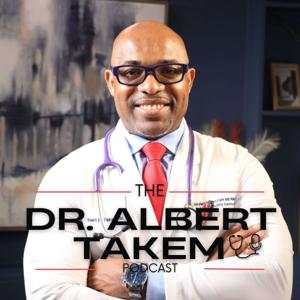


This episode addresses common misconceptions about doctors, clarifying the realities of their profession, training, and patient interactions. It emphasizes the importance of understanding their roles and the challenges they face in providing quality care.
In today’s episode, I wanted to tackle a subject that often leaves both patients and physicians in a quandary: the relationship between doctors and the medications they prescribe. When I met a new patient recently, she presented me with a bewildering notion that her doctor must have been benefiting financially from the prescriptions she had been given. She felt confident asserting that “everyone knows” doctors profit from prescribing medications. This led me to deep dive into the intricacies of doctor patient relationships, the ethics of prescribing, and the true financial motivations behind medication prescriptions. Before we traverse deeper into the discussion, it's essential for me to introduce key concepts that regulate our medical practices: the Stark laws and anti kickback laws. These legal frameworks are designed to prohibit any form of financial incentives for doctors based on the prescriptions they write. While I won’t go into exhaustive detail today, I urge listeners to familiarize themselves with these provisions, as they serve as crucial protections to prevent the exploitation of patients by physicians. As healthcare providers, we vow to uphold a stringent code of ethics, grounded in the principles embedded within the Hippocratic Oath, particularly the notion of "primum non nocere," or "first, do no harm." To be candid, while it’s true that some individuals in the medical field have compromised their duty to patients out of greed, the vast majority of my peers and I are adamantly committed to securing our patients' well being above all. Now, let's delve into the realities of how doctors are compensated. Most of us, particularly those in private practice, are fairly compensated through our salaries without any ties to the medications
Questions for Dr. Takem and the team
💡 Start your journey today with Maryland Primary Care & Wellness
Book your consultation: https://www.maryland-primarycare.com/
This episode highlights the tension between patients and modern medicine, using Matthew's reluctance to take prescribed medications to emphasize the importance of evidence-based treatment and open communication in empowering informed health choices.
In this episode, I examine the complex relationship between patients and modern medicine, focusing on the tension between prescribed treatments and natural remedies through the lens of my patient, Matthew. His reluctance to take medications for high blood pressure and cholesterol underscores the dangers of misinformation surrounding these treatments. I discuss the critical need for evidence-based medicine, emphasizing that while natural remedies can support health, they should not replace crucial medical care. This conversation highlights the importance of open communication between patients and doctors, aiming to build trust and empower informed health choices.
Questions for Dr. Takem and the team
💡 Start your journey today with Maryland Primary Care & Wellness
Book your consultation: https://www.maryland-primarycare.com/
Dr. Takem and Dr. Khan discuss sinus infections, antibiotic overprescription, and the distinction between viral and bacterial infections, emphasizing the risks of unnecessary antibiotics and the importance of natural healing.
In this episode, I sit down with Dr. Khan to break down sinus infections, when antibiotics actually help, and what can go wrong when they’re overused. We talk about why so many patients expect an antibiotic, how to tell viral symptoms from a true bacterial infection, and the common belief that antibiotics speed up recovery when many illnesses simply improve with time. Dr. Khan explains the real risks of unnecessary antibiotics, including antibiotic resistance and side effects like gastrointestinal upset. We also walk through the key signs that suggest a sinus infection may have turned bacterial, and why supportive care and patience are often the safest first step. We close with clear, practical guidance you can use to manage sinus symptoms and know when it’s time to seek care.
Questions for Dr. Takem and the team
💡 Start your journey today with Maryland Primary Care & Wellness
Book your consultation: https://www.maryland-primarycare.com/
Dr. Takem explores obesity as a chronic disease affecting over 40% of people, discussing its causes, health impacts, and the need for effective public health strategies.
In this Episode, I explain why obesity is a chronic disease, not a lifestyle flaw, and why that distinction matters for real treatment. I share the story of Greg, a patient with a BMI of 37 and severe back, knee, and hip pain who believed he just needed to “work out” and refused GLP 1 medications because he thought they were only for diabetics. I break down the behavioral, environmental, and structural forces that make obesity hard to treat with willpower alone, and I clarify how GLP 1 medications were studied and approved for obesity in people without diabetes. The Episode ends with what primary care should always be: physician patient allyship, informed decisions, and a plan that gives people a real path forward.
Questions for Dr. Takem and the team
💡 Start your journey today with Maryland Primary Care & Wellness
Book your consultation: https://www.maryland-primarycare.com/
Dr. Takem discusses chronic pain management with Dr. Tiffany Russ, exploring effective strategies, the psychological impact of chronic pain, and the importance of a multidisciplinary approach to treatment.
Today, I’m joined by Dr. Tiffany Russ, an interventional pain specialist, to talk about what most patients don’t realize: chronic pain treatment isn’t limited to pills. We unpack why so many people fear procedures often because of misinformation and how modern interventions can interrupt pain signals instead of simply masking pain. Using a real patient story, we discuss how chronic pain can drive anxiety, depression, and even high blood pressure, and why restoring function matters more than chasing “zero pain.” Dr. Russ breaks down the most common options nerve blocks, radiofrequency ablation, and epidural steroid injections—and explains the difference between nerve pain and arthritic/inflammatory pain. The takeaway: the goal of pain care is better quality of life and function, not perfection, and there are more safe, effective tools available than most patients have been told.
Questions for Dr. Takem and the team
💡 Start your journey today with Maryland Primary Care & Wellness
Book your consultation: https://www.maryland-primarycare.com/
The lecture addresses post-viral coughs after respiratory infections, highlighting that those without pneumonia symptoms can experience persistent coughs and discussing their management and causes.
In this episode, I explain why a cough can linger long after the flu, COVID, or a cold has passed. A patient asked, “Doc, why isn’t this flu going away?” and the answer is simple: the virus is gone, but your airways are still healing from the inflammation and irritation left behind. We break down what’s happening inside your upper respiratory tract during a viral infection, why post-nasal drip and constant throat-clearing are common afterward, and why this doesn’t automatically mean you need antibiotics or have pneumonia. I also cover the key red flags to watch for, when it’s worth checking in with your doctor, and how to think about recovery as a process. If you’re still coughing weeks later, this episode will help you understand what’s normal, what’s not, and how to move forward with confidence.
Questions for Dr. Takem and the team
💡 Start your journey today with Maryland Primary Care & Wellness
Book your consultation: https://www.maryland-primarycare.com/
Dr. Takem interviews Dr. Khan about the relationship between high blood pressure and erectile dysfunction, using Michael's case to explore causes, effects, and treatment options for those affected by these interconnected health issues.
In this episode, I spoke with Dr. Khan about the often misunderstood relationship between high blood pressure medications and erectile dysfunction. We began with Michael’s question about whether treating his blood pressure meant sacrificing his sexual function, which opened the door to a broader discussion about the real risks, the myths, and the treatment options available. Dr. Khan explained that while some blood pressure medications can contribute to erectile dysfunction, the issue is far more complex than people often assume. He emphasized that these side effects are not as common as many believe, and that medicine now offers multiple alternatives to help patients manage both their cardiovascular health and their quality of life. We also talked about the much greater dangers of leaving high blood pressure untreated, including heart attacks and strokes. Dr. Khan stressed that lifestyle factors such as poor diet, stress, and lack of exercise can worsen both hypertension and erectile dysfunction, making healthy habits a critical part of the solution. As we wrapped up, we emphasized that patients should not feel they have to choose between protecting their heart and maintaining a satisfying sex life. With the right treatment plan, proper lifestyle changes, and open communication with a physician, both are possible.
Questions for Dr. Takem and the team
💡 Start your journey today with Maryland Primary Care & Wellness
Book your consultation: https://www.maryland-primarycare.com/
Dr. Takem and Dr. Tiffany Russ delve into effective strategies for managing chronic pain, exploring the complexities of opioid use, alternative therapies, and the importance of individualized care in improving patient outcomes.
In this episode, I talk with pain specialist Dr. Tiffany Russ about the tightrope of treating chronic pain while avoiding opioid harm. I share the story of an 83-year-old patient whose severe arthritis and spine disease were managed with only ibuprofen, mainly because of fear around prescribing. Dr. Russ and I break down why chronic pain is personal and subjective, why older patients shouldn’t be undertreated, and when opioids may still be appropriate, including cancer-related pain and select chronic conditions. We also clarify the difference between tolerance and addiction, and how I monitor safety with tools like PDMP checks and urine screening. We close with practical red flags for misuse, the risks of dose escalation, and why a multi-modal plan and a supportive, accountable care network matter.
Questions for Dr. Takem and the team
💡 Start your journey today with Maryland Primary Care & Wellness
Book your consultation: https://www.maryland-primarycare.com/
The lecture focused on the essential role of primary care physicians in coordinating patient care, highlighting their importance in managing overall health and facilitating effective communication between specialists and patients.
In this episode, I explain why seeing multiple specialists without a coordinating primary care physician can make your care less safe, not more. Using the “quarterback” analogy, I describe how primary care should oversee the whole picture: connecting diagnoses, medications, tests, and follow-ups across a fragmented system where records and specialists often don’t communicate. I also break down the risks of polypharmacy and share three practical takeaways: build central oversight with your primary care doctor, use their office for care coordination, and always bring specialist updates back so someone is consistently connecting the dots.
Questions for Dr. Takem and the team
💡 Start your journey today with Maryland Primary Care & Wellness
Book your consultation: https://www.maryland-primarycare.com/
Dr. Takem and Dr. Khan highlight rising heart disease in those under 50, driven by obesity and lifestyle choices. They emphasize regular check-ups and patient-provider collaboration to improve heart health and reduce risks.
In this episode, I talk with Dr. Khan about a shift we’re seeing more often: heart disease showing up in younger patients. We discuss the reality that a significant portion of heart attacks happen in people under 50, and why this is becoming more common. Dr. Khan breaks down the major drivers behind the trend, especially obesity and lifestyle patterns that raise cholesterol, blood sugar, and blood pressure over time. One of the key points we emphasize is that many of these risks can build silently. You can feel fine and still have numbers that are putting stress on your arteries for years, which is exactly why I push regular check-ups and routine labs even when you feel healthy. We also focus on prevention. We walk through practical strategies like improving diet, exercising consistently, and tracking key metrics like cholesterol and A1c so problems are caught early and addressed before they turn into an emergency. And throughout the conversation, we stress that the best outcomes happen when patients and physicians work together, with a shared plan to reduce risk long before a heart attack ever occurs.
Questions for Dr. Takem and the team
💡 Start your journey today with Maryland Primary Care & Wellness
Book your consultation: https://www.maryland-primarycare.com/
From the publisher's feed
We tackle the health topics no one else wants to touch 💉🧠
—from obesity and high blood pressure
—to emotional eating and medication resistance
—to cultural myths that…
My mission is to deliver evidence-based truth—
real doctors. hard truths. no coddling. 🎯
🎧 Subscribe now and share with someone who’s tired of watered-down wellness.
Let’s change lives with facts—not fluff.