
Sign up to save your podcasts
Or

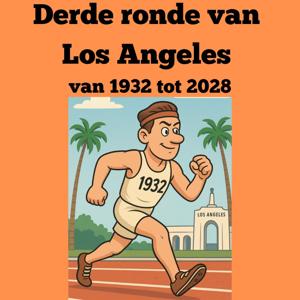


The focal point of our discourse today is the 1984 Los Angeles Olympic Games, a momentous occasion in which significant narratives unfolded, particularly surrounding the renowned figure of Zola Budd. This episode meticulously explores the complexities of Budd's participation, as she transitioned from representing South Africa to competing under the British flag due to the geopolitical constraints of apartheid. We delve into the dramatic 3000-meter final, where Budd faced off against American champion Mary Dekker, an event marked by an unexpected collision that irrevocably altered the trajectory of both athletes' Olympic aspirations. Our examination extends to the profound implications of this race, not merely as a sporting event but as a reflection of the intricate intersections between nationality, identity, and competitive integrity. As we recount these pivotal moments, we endeavor to illuminate the multifaceted narratives that characterized the 1984 Olympics, inviting listeners to reflect on the enduring legacies of these athletes. The podcast initiates a discussion regarding the 1984 Los Angeles Olympics, a pivotal event marked by a myriad of stories, particularly the narrative arc of Zola Budd, a runner who, due to the apartheid regime in South Africa, was unable to compete for her home country. The episode meticulously details how Budd's acquisition of British nationality, expedited through media influence, facilitated her participation under a different flag. This scenario inevitably leads to a discourse on the implications of national identity in athletics and the ethical considerations of representing a nation contrary to one's origins. In the latter portions of the episode, the discussion reflects on the long-term implications of that race on both athletes’ lives, illustrating how a singular moment can reverberate through time, influencing public perception and personal identity. The hosts draw parallels between Budd and Decker's experiences, examining how they navigated the aftermath of the race and the evolving narrative surrounding their careers. This comprehensive exploration serves to underscore the intricate relationship between sports and societal issues, offering listeners a profound understanding of the lasting impact of the 1984 Olympics.
Takeaways:
Companies mentioned in this episode:
The focal point of our discussion centers on the remarkable events surrounding the women's 100-meter backstroke at the 1936 Berlin Olympics, a competition that garnered substantial attention for its myriad circumstances. We delve into the extraordinary victory of Dutch swimmer Nida Senf, who, despite an unforeseen misstep during the race, ultimately secured the gold medal, while her compatriot Riemars ten Broek claimed silver. This episode elucidates the broader implications of the exclusion of American swimmer Eleanor Holm, whose controversial behavior and subsequent disqualification significantly altered the competitive landscape. As we dissect the nuances of this pivotal moment in Olympic history, we reflect on the profound impact of these athletes' experiences on the realm of competitive swimming and sportsmanship. Join us as we traverse the complexities of this storied event, highlighting the intersection of personal triumph and institutional challenges within the annals of athletic achievement. The episode is a profound examination of the women’s 100-meter backstroke at the 1936 Berlin Olympics, a race that transcends mere athletic competition to reflect the complexities of its historical context. The focus is primarily on the remarkable performances of Nida Senf and Riemars ten Broek, who emerged victorious, securing gold and silver medals respectively. However, the episode intricately details the circumstances surrounding these outcomes, particularly the significant absence of Eleanor Holm, whose exclusion from the games highlights the intersection of personal conflicts and broader political tensions. Additionally, the episode thoughtfully explores the repercussions of Holm's disqualification, which stemmed from her outspoken critiques of the American officials during the journey to Berlin. Holm's abrasive personality and her contentious relationship with the team hierarchy reflect the challenges faced by female athletes of that era. The episode not only chronicles the thrilling events of the race but also presents a nuanced commentary on the societal and political dynamics that influenced the experiences of the athletes, thereby offering a rich narrative that resonates beyond the realm of sports. The narrative intricately weaves together the events leading to Senf’s unexpected yet triumphant victory. Initially, her performance was exceptional, as she recorded the fastest time in the heats. Nonetheless, a critical error during the final—missing a turn—threatened her chances. The depth of her character is revealed through her decision to rectify this mistake by returning to complete the turn, showcasing her strategic mindset and resilience. The subsequent surge that led her to victory against formidable competitors is a testament to her remarkable capabilities and fortitude in the face of adversity.
Takeaways:
Companies mentioned in this episode:
The celebration of our 25th episode coincides with a significant moment in Dutch sports history, notably the triumph of the Dutch cycling team at the 1964 Tokyo Olympics. In an astonishing display of teamwork, Eef Doolman, Jan Pieterse, Gerben Karstens, and Bart Soet secured the gold medal in the grueling 100-kilometer team time trial, an achievement that remains unparalleled in Dutch cycling. This episode delves into the intricacies of that remarkable race, exploring the dynamics of the team as they overcame both physical and mental challenges. We reflect on the historic context of the Tokyo Games, where the Netherlands finished with a commendable ten medals, with the cycling team’s victory serving as a testament to their preparation and dedication. Join us as we honor these athletes and examine the legacy of their Olympic success, which continues to inspire future generations. In a momentous celebration of their 25th episode, the podcast dedicates its discourse to an exploration of the 1964 Tokyo Olympics, particularly the remarkable achievements of the Dutch cycling team. The speakers recount the exhilarating moment when the quartet of Eef Doolman, Jan Pieterse, Gerben Karstens, and Bart Soet triumphed in the 100-kilometer team time trial, securing a gold medal that would etch their names in the annals of sports history. The episode meticulously details the backdrop against which this event unfolded, including the challenges faced by the athletes and the competitive landscape of the Olympics, which saw participation from approximately 5000 athletes across 93 nations. The narrative unfolds as the speakers delve into the intricacies of the race, discussing the tactical approaches employed by the team and the pivotal decisions made by their coach, Joop Middelink. Through a blend of strategic foresight and an understanding of the athletes' capabilities, the team was able to cultivate a synergy that propelled them to victory. The speakers emphasize the significance of teamwork in a sport often dominated by individual accolades and reflect upon the psychological dynamics that influenced their performance, particularly in the face of formidable competitors. In conclusion, the episode serves as a poignant reminder of the fleeting nature of sporting glory, juxtaposing the triumph of the 1964 team against the backdrop of the modern Olympic landscape. The speakers reflect on how this victory not only galvanized a nation but also contributed to the evolving narrative of cycling as a sport, leaving an indelible mark on both the athletes and the fans. The episode encapsulates a rich historical moment while paying homage to the spirit of competition and the legacy of the athletes who exemplified excellence on that historic day in Tokyo.
Takeaways:
Companies mentioned in this episode:
The primary focus of our discussion revolves around the recent performances of various athletes during the Winter Olympics in Milan, specifically highlighting the notable victories of American teams in the ice hockey finals, both men's and women's, against Canada. We delve into the exhilarating aspects of these matches, emphasizing the remarkable format of overtime play that enhances the excitement and competitiveness of the sport. Moreover, we shift our attention to the achievements of Dutch short track skaters, particularly the impressive medal haul attributed to athletes such as Jens van 't Wout and Xandra Velzenboer, who both showcased exceptional skill and determination. Our discourse also examines the implications of strategic decisions made during races, such as the daring choice to pull a goalie in crucial moments, and reflects on the collective spirit exhibited by the Dutch team throughout the games. As we traverse through these narratives, we aim to encapsulate the essence of perseverance and excellence that characterized this extraordinary sporting event. The thirty-fourth episode of our podcast delves into the recent Olympic Games held in Milan, specifically focusing on the exhilarating ice hockey finals. The dramatic clash between the United States and Canada unfolded with a contentious overtime period, culminating in a controversial victory for the U.S. team. We engage in a thorough analysis of the overtime format, which employs a golden goal rule, thereby intensifying the thrill of the game. The discussion also highlights the strategic implications of this format, particularly how it contrasts with traditional approaches in other sports, such as football, where extensions can often lead to tedious stalemates. The episode further explores the broader implications of this game for the hockey community and its potential influence on the structure of future international competitions. We also reflect on the overarching themes of competition, teamwork, and the emotional stakes involved in high-level sports, providing listeners with a comprehensive understanding of not only the game itself but also its significance within the Olympic context. In our latest episode, we turn our attention to the remarkable achievements of the Dutch short track team at the Winter Olympics. We celebrate the outstanding performances of athletes such as Jens van 't Wout and Sandra Velsenboer, who have etched their names in Olympic history. The conversation centers around the relay events, where the Dutch men's team secured their first Olympic gold, a feat long awaited by fans and athletes alike. We dissect the dynamics of the races, discussing the strategies employed by the athletes and the pivotal moments that led to their victories. Additionally, we scrutinize the officiating and rules surrounding penalties in short track, suggesting areas for improvement that could enhance the sport's integrity and excitement. Through this narrative, we encapsulate the essence of Olympic spirit, perseverance, and the relentless pursuit of excellence that defines these athletes' journeys. Moreover, our discussion extends to the broader implications of these Olympic competitions on the athletes' careers and the future of their respective sports. We highlight the role of teamwork in achieving success, particularly within the context of mixed-gender teams, and how collaborative training methods have fostered a culture of mutual support among athletes. This episode serves not only as a celebration of individual and team accomplishments but also as a critical examination of the systems in place that govern competitive sports. We conclude with reflections on the impact of these games on national pride and identity, urging listeners to appreciate the intricate tapestry of emotions and narratives woven into the Olympic experience.
Takeaways:
Companies mentioned in this episode:
Aflevering 23 met de eerste vier Olympische Winterspelen!
The primary focus of this podcast episode is the inaugural Olympic Winter Games held in 1924 in Chamonix, France, which emerged as a significant milestone in the history of winter sports. Initially conceived as a subsidiary program to the Summer Olympics in Paris, the games garnered such acclaim that they were retroactively labeled as the first Olympic Winter Games after the Norwegian objection was withdrawn. The episode delves into the notable achievements of athletes, particularly highlighting Norway's dominance in skiing and skating, while also recognizing the participation of other nations and the unique circumstances surrounding the event. We examine the statistics of participation, including the stark gender disparity among athletes, and reflect upon the evolving nature of the Winter Olympics as subsequent events unfolded. Furthermore, we discuss the broader implications of these games in the context of international sports and their legacy, setting the stage for future competitions. The exploration of the inaugural Olympic Winter Games, which took place in Chamonix in 1924, unveils a historical tapestry woven with both triumph and contention. Initially conceived as a supplementary event to the Summer Games in Paris, the Winter Games garnered such remarkable success that they were retroactively declared an official Olympic event, contingent upon the withdrawal of objections from Norway, which had its own winter sports competition. This episode meticulously details the geopolitical landscape of the time, highlighting how the absence of notable nations such as Russia, Germany, and the Netherlands shaped the competitive field. The narrative further delves into the performances, with Norway emerging as the dominant force, claiming the majority of the medals, while the dynamics of participation and competition are examined through the lens of the limited number of athletes and nations present. This foundational moment sets a precedent for future Winter Games, illustrating the evolution of winter sports on a global stage. In a reflective analysis of the first Olympic Winter Games, the conversation meanders through the complexities of sportsmanship and national pride, emphasizing the significance of Chamonix as a pivotal location in Olympic history. The episode elucidates the cultural ambiance of Chamonix, described as a fashionable winter resort, juxtaposed against the backdrop of sporting excellence and national representation. The dialogue also touches upon the peculiarities of the early Winter Games, such as the introduction of sports like figure skating and ice hockey, which had previously been included in the Summer Games. The intriguing case of Kylis Krevstem, who uniquely defended his title from the Summer Olympics, serves as a focal point of discussion, highlighting the interconnectedness of winter and summer sports in this nascent period of Olympic competition. Through a serious and analytical lens, this summary encapsulates the essence of the episode, articulating the multifaceted themes of competition, culture, and the socio-political undercurrents of the time. The examination of the evolution of the Olympic Winter Games from their inception in 1924 to subsequent iterations reveals a narrative rich in historical significance and transformation. The podcast delves into the intricacies of the Chamonix Games, the subsequent Winter Games in St. Moritz, and the implications of the Lake Placid Games, all while emphasizing the growth of participation and the increasing prominence of female athletes. Notably, the transition from a predominantly male-dominated field to the inclusion of women in competitive events is articulated with a focus on the societal shifts that accompanied these changes. The episode critically evaluates the implications of the American dominance in Lake Placid, where the competitive format sparked controversies regarding fairness and adherence to Olympic principles. The episode culminates in a discussion of the political ramifications of the Games, particularly during the Nazi regime, thus providing a comprehensive understanding of the evolution of winter sports within the broader context of Olympic history.
Takeaways:
De Noorse Langlaufer Johannes Klaebo "De Komeet" gaat voor zes gouden medailles!
The primary focus of this podcast episode is the imminent commencement of the Olympic Winter Games, specifically highlighting the remarkable athlete Johannes Klaebo, who is poised to compete for six gold medals. As we delve into the intricacies of Klaebo's illustrious career, we explore his extraordinary achievements, including his unprecedented victories in World Cup events and his outstanding performance at the recent World Championships. Our discourse further examines the unique qualities that render Klebo a formidable competitor, such as his innovative techniques and strategic prowess in cross-country skiing. We also discuss the various disciplines in which he will participate, elucidating the challenges and expectations he faces in each event. Ultimately, we aim to provide our listeners with an insightful perspective on Klaebo's potential impact on the upcoming Games and the broader implications for the sport of cross-country skiing. The 22nd installment of our esteemed podcast delves into the imminent commencement of the Olympic Winter Games, scheduled to begin on February 6th in Milan. As we stand on the precipice of this grand sporting event, it is only fitting that we engage with the current affairs surrounding the Winter Olympics. In the ensuing episodes, we will dedicate our discussions to various facets of the Winter Games, with a particular focus on prominent athletes and their performances. I wish to spotlight an extraordinary figure in the realm of cross-country skiing, known colloquially as 'The Comet'. This nickname belongs to Johannes Høsflot Klæbo, a 29-year-old Norwegian athlete who has garnered significant acclaim and is often regarded as the preeminent cross-country skier in the world today. His stature in Norway parallels that of the celebrated footballer Erling Haaland, and during the upcoming three weeks, Klæbo will undoubtedly be the center of attention as he vies for an astounding six Olympic medals across multiple disciplines. In our exploration of Klæbo's illustrious career, we uncover his remarkable achievements, which include an impressive 107 victories in individual World Cup events, complemented by five overall titles in the World Cup circuit. His prowess was further exemplified at the recent World Championships held in Trondheim, where he clinched six gold medals, drawing a staggering attendance of over 230,000 spectators throughout the four-day event. Such figures underscore the immense popularity and excitement surrounding cross-country skiing, akin to that of cycling, where the physical demands are considerable and the spectacle captivating. We also analyze Klæbo's rigorous training regimen, which is characterized by an unwavering discipline and an almost fanatical dedication to his sport. For instance, his summer training often takes him to Italy, where he engages in grueling roller skiing sessions, pushing his physical limits to attain peak performance. As we delve deeper into Klæbo's competitive strategy, we identify three pivotal elements that contribute to his exceptional skiing capabilities: his exclusive starting technique, tactical acumen, and innovative skiing style. Klæbo's approach minimizes vertical movement, optimizing energy retention and speed, while maintaining a perfectly balanced stance over his skis. His agility in navigating turns and executing rapid double pole pushes distinguishes him from his competitors. Moreover, his familial ties to the sport reveal a unique support system; his father serves as both his manager and chef, while his grandfather, at the age of 83, still fulfills the role of his coach. Such a familial enterprise not only highlights the personal investment in his training but also emphasizes the collective effort behind his success. Klæbo's assertion that 'only dead fish swim with the current' encapsulates his philosophy of challenging norms and striving for excellence. As the Winter Olympics approach, the anticipation surrounding Klæbo's potential to secure six gold medals ignites the fervor of sports enthusiasts globally, positioning him as a formidable athlete in Olympic history.
Takeaways:
Companies mentioned in this episode:
The salient focus of this podcast episode is the remarkable athletic achievement of Bob Beamon, who set a world record in the long jump during the 1968 Olympics held in Mexico City. We delve into the intricate details surrounding Beeman's extraordinary leap of 8.90 meters, which not only surpassed the previous record by a significant margin of 55 centimeters but also stood unchallenged for over two decades. I recount the atmospheric conditions that contributed to this unprecedented jump, including optimal temperature and humidity, as well as the psychological pressure Beeman faced before making his attempt. The episode further explores the immediate aftermath of his jump, highlighting the astonishment of officials and spectators alike, as they grappled with the implications of such a groundbreaking performance. Ultimately, we reflect on the legacy of Beeman's achievement and its enduring impact on the world of athletics, setting the stage for future competitors striving to reach new heights. The discussion centers around the remarkable achievement of Bob Beeman during the 1968 Olympic Games held in Mexico City, where he set an unprecedented world record in the long jump. The episode meticulously details the circumstances surrounding this historic event, emphasizing the optimal conditions that contributed to Beeman's extraordinary performance. The speakers delve into the specifics of the jump, noting the atmospheric conditions, including temperature and humidity, which were deemed ideal for such an endeavor. Furthermore, they explore Beeman's background as a top athlete, having won 22 out of his last 23 competitions leading up to the Olympics, thus establishing him as a formidable contender. As the narrative unfolds, we learn about the atmosphere of anticipation and tension that enveloped Beeman as he prepared for his jump, culminating in a breathtaking leap that measured an astonishing 8.90 meters. The speakers articulate the disbelief that ensued among spectators and officials alike, as the optical measuring equipment failed to accurately record the distance due to the jump's extraordinary nature. They recount how a traditional measuring tape had to be employed to confirm the measurement, leading to a dramatic reveal of the new world record, which stood unchallenged for decades until it was finally surpassed in 1991. In addition to the technical aspects of the jump, the episode touches upon the broader implications of Beeman's achievement, including the psychological impact it had on the sport of long jump and the subsequent obsession among athletes to surpass the 8.90-meter mark. This historical narrative is interwoven with contemporary reflections on Olympic events, highlighting the potential for political and social dynamics to influence athletic participation in upcoming games, thus providing a rich context for understanding the significance of Beeman's leap in both sports history and Olympic tradition.
Takeaways:
Links referenced in this episode:
Companies mentioned in this episode:
The twentieth episode of our podcast is dedicated to the illustrious legacy of the 1960 Rome Olympics, where we delve into the remarkable achievements of Wilma Rudolph, who emerged as the epitome of athletic excellence. This episode elucidates not only her triumphant acquisition of three gold medals but also the socio-political context of the Games, which were marked by both significant milestones and troubling controversies, including the burgeoning issues of doping and the commercial pressures that began to infiltrate the Olympic spirit. We examine Rudolph's extraordinary journey from overcoming severe health challenges in her early life to becoming a celebrated icon of both sport and civil rights. Throughout our discourse, we reflect on her unparalleled performances and the lasting impact she had on athletics and society at large. Thus, we encapsulate the essence of her legacy, recognizing her as a pioneering figure whose influence extends far beyond the track. As we navigate the narratives of the 1960 Rome Olympics, one athlete emerges as the undisputed queen of the Games: Wilma Rudolph. This episode pays homage to her remarkable journey from a fragile birth, weighing only 1,850 grams, to becoming the first American woman to win three gold medals in a single Olympics. Rudolph's ascent is not merely a tale of athletic prowess; it is a testament to resilience and determination. Overcoming polio and various hardships, her story is intricately woven with the love and support of her family, particularly her mother, who played an instrumental role in her rehabilitation and subsequent success. The episode further elaborates on her extraordinary performances, including world-record-setting runs in the 100 meters and 200 meters, alongside her pivotal role in the 4x100 meter relay, solidifying her status as an athletic icon. Moreover, we reflect on the broader implications of her achievements, examining how her legacy transcends sports, inspiring future generations in the ongoing struggle for equality and representation.
Takeaways:
Companies mentioned in this episode:
The focal point of this discourse revolves around the illustrious figure of Emil Zatopek, a remarkable Czech long-distance runner renowned for his extraordinary achievements in the 1948 and 1952 Olympic Games. We delve into the nuances of Zatopek's athletic prowess, recounting his remarkable tenacity as he overcame substantial deficits during races, particularly emphasizing his near-defeat in the 5000 meters at the 1948 London Olympics, where he finished just two-tenths of a second behind the victor. Moreover, we explore his astounding performance in Helsinki, where he triumphed in both the 10,000 meters and the 5,000 meters, subsequently undertaking the marathon for the first time, securing victory with a significant lead. This episode also reflects on the broader implications of his legacy, including the psychological toll of fame on athletes, as articulated by his wife, Dana, who poignantly remarked on their struggle with public attention following their astounding successes. As we navigate these themes, we aim to provide a comprehensive understanding of Zatopek's indelible impact on the world of athletics and the personal challenges faced by elite athletes.
The commencement of the 19th episode heralds a focused discussion on the illustrious figure of Emile Zatopek, an iconic athlete whose prowess in long-distance running has left an indelible mark on the realm of sports. Emile Zatopek, a Czech runner renowned for his extraordinary achievements in the 5,000 meters, 10,000 meters, and the marathon, is celebrated as a paragon of resilience and determination. The dialogue unfolds with a reflective exploration of his remarkable career, starting with the 1948 London Olympics, where he secured a commendable second place in the 5,000 meters despite trailing by a significant margin during the race. What distinguishes this performance is not merely the result but the narrative of overcoming adversity, as Zatopek closed an impressive 40-meter gap to finish just tenths of a second behind the leader, Gaston Rijf. This episode serves to illuminate the essence of competitive spirit and the relentless pursuit of excellence that characterized Zatopek's illustrious career, setting the stage for further examination of his subsequent Olympic triumphs.
As the discourse progresses, we delve into the pivotal moment of the 1952 Helsinki Olympics, where Zatopek's legacy was cemented through an unparalleled display of athletic dominance. His exceptional performance in the 10,000 meters, where he triumphed with a remarkable 16-second lead over his closest rival, exemplifies the extraordinary capabilities of a true champion. The conversation further elaborates on the nuanced aspects of his running style, which, while deemed unconventional, became an integral part of his identity as an athlete. The discussion not only highlights Zatopek's technical prowess but also examines the psychological dimensions of his journey, illustrating the profound impact of mental fortitude in achieving sporting greatness. This exploration of Zatopek's journey serves as a poignant reminder of the enduring legacy of athletes who push the boundaries of human potential.
The episode culminates in a comprehensive analysis of Zatopek's audacious decision to compete in the marathon for the first time at the Helsinki Olympics, an undertaking that reflects both courage and ambition. Despite lacking formal experience in marathon running, Zatopek's training regimen had prepared him for this monumental challenge, which he approached with characteristic tenacity. The narrative of his marathon debut is laced with both humor and humility as he navigated the intricacies of race strategy, culminating in a resounding victory that further solidified his status as a legend in the annals of athletics. The episode concludes with reflections on the broader implications of Zatopek's journey, emphasizing the importance of perseverance, integrity, and the indomitable spirit of competition that continues to inspire generations of athletes.
Takeaways:
The episode delves into the noteworthy events surrounding the 1976 Montreal Olympics, emphasizing the significant political undertones that permeated the Games, particularly concerning the absence of numerous African nations due to the apartheid policies of South Africa. We explore the remarkable journey of Erik Swinkels, a clay pigeon shooter who, despite initial obscurity, achieved an extraordinary performance by clinching a silver medal, thereby marking a historic milestone for the Netherlands in Olympic shooting sports. Furthermore, the discussion encompasses the peculiar circumstances of the modern pentathlon, notably highlighting the scandal involving Boris Onyshenko, whose use of a fraudulent weapon during the competition revealed the depths of deception that can occur in the pursuit of Olympic glory. This episode serves as a poignant reminder of the intricate interplay between sport and politics, as well as the personal narratives that emerge in the shadow of such grand events. Through our examination, we invite listeners to reflect on the broader implications of these historical instances, drawing connections to contemporary issues in athletics. The discussion commences with an examination of the 1976 Montreal Olympic Games, a pivotal event that, despite the passage of time, remains a significant touchstone in Olympic history. The speakers delve into the political ramifications surrounding the Games, particularly highlighting the notable absence of twenty African nations due to the apartheid policies of South Africa, which created a complex backdrop of international tension and protest. The speakers reflect on how such political dynamics infiltrate the Olympic spirit, a theme that recurs throughout history, illustrating how the Games, ideally a celebration of athletic prowess, often become embroiled in broader geopolitical conflicts. This context sets the stage for a deeper exploration of specific athletes and events that defined the Montreal Games, including the unexpected rise of lesser-known sports such as clay pigeon shooting, brought into the limelight by the participation of Erik Swinkels, a controversial figure due to his background as a licensed arms dealer. The narrative progresses to reveal the surprising success of Swinkels in the sport, culminating in his impressive silver medal achievement, which not only elevated his profile but also spotlighted the intricate relationship between personal ambition and national representation at the Olympics. Segueing into a more intricate narrative, the episode shifts its focus to the modern pentathlon, recounting the dramatic events surrounding Boris Onyshenko during the 1976 Games. The speakers detail Onyshenko's ambition, fueled by a prior Olympic success, and the lengths to which he went to secure a victory, including the construction of a deceptive device that manipulated the scoring system in fencing. This revelation leads to a suspenseful recounting of how his deceit was uncovered, primarily through the observations of a fellow competitor. The narrative illustrates the broader theme of integrity versus ambition within the Olympic framework, as well as the immense pressure athletes face to perform at peak levels, often leading to desperate measures. The ensuing scandal not only tarnished Onyshenko's reputation but also raised questions about the ethics of competition and the stringent measures required to uphold the integrity of the Games. The episode closes by reflecting on the implications of such scandals, underscoring the necessity for continual vigilance in maintaining the Olympic ideals amidst the relentless pursuit of glory. The discussion commences with an examination of the 1976 Montreal Olympic Games, a pivotal event that, despite the passage of time, remains a significant touchstone in Olympic history. The speakers delve into the political ramifications surrounding the Games, particularly highlighting the notable absence of twenty African nations due to the apartheid policies of South Africa, which created a complex backdrop of international tension and protest. The speakers reflect on how such political dynamics infiltrate the Olympic spirit, a theme that recurs throughout history, illustrating how the Games, ideally a celebration of athletic prowess, often become embroiled in broader geopolitical conflicts. This context sets the stage for a deeper exploration of specific athletes and events that defined the Montreal Games, including the unexpected rise of lesser-known sports such as clay pigeon shooting, brought into the limelight by the participation of Erik Swinkels, a controversial figure due to his background as a licensed arms dealer. The narrative progresses to reveal the surprising success of Swinkels in the sport, culminating in his impressive silver medal achievement, which not only elevated his profile but also spotlighted the intricate relationship between personal ambition and national representation at the Olympics.
Takeaways:
Companies mentioned in this episode:
From the publisher's feed