
Sign up to save your podcasts
Or



We kijken terug naar de spelen van 1980 en 1984 waarin Sebastian Coe en Steve Ovett historische duels uitvochten maar voor 2028 hebben wij nu Niels Laros als serieuze kandidaat voor de Spelen!
This episode provides a detailed exploration of the dramatic encounters between Sébastien Coe and Steve Ovett, two titans of British athletics whose rivalry captivated fans during the 1980 Moscow Olympics. The hosts present a comprehensive analysis of the context surrounding the Games, including the geopolitical implications that led to the absence of several countries, thus intensifying the spotlight on the British duo. The narrative captures the essence of their rivalry, discussing how Ovett triumphed in the 800 meters, while Coe redeemed himself in the 1500 meters just days later. This duality of outcomes not only illustrates the unpredictability of athletic competition but also reflects the emotional and psychological toll such rivalries can exert on athletes. The hosts engage in a thoughtful discourse on the nature of competition, the significance of media narratives, and how personal character plays a pivotal role in shaping public perception and legacy in sports.
Takeaways:
Bernard Leene, de pechvogel van 1932 en Carl Lewis, het fenomeen van 1984!
De succesvolle Olympische Podcast serie is nu alweer toe aan de zesde aflevering. Vanaf aflevering 7 zullen ook de (voormalige en toekomstige) olympische sporters zelf deelnemen aan onze afleveringen.
The discourse herein elucidates the historical trajectory of the Los Angeles Olympic Games, spanning from 1932 to 2028, with a particular focus on the events surrounding the 1932 Games. We meticulously examine the challenges faced by the Dutch tandem cycling team, notably the unfortunate circumstances that precluded Bernard Lenen from defending his title alongside Daan van Dijk due to financial constraints. The episode further delves into the strategic decisions made by athletes, notably Jacques van Egmond, who grappled with the implications of competing in multiple events on the same day. This discussion encapsulates the broader theme of financial limitations impacting athletic performance and opportunities. Notably, we draw parallels to contemporary issues faced by athletes, underscoring the enduring relationship between fiscal support and success in competitive sports.
Takeaways:
Companies mentioned in this episode:
De succesvolle Olympische Podcast serie is nu alweer toe aan de vijfde aflevering. Vanaf aflevering 7 zullen ook de (voormalige en toekomstige) olympische sporters zelf deelnemen aan onze afleveringen.
This podcast episode elucidates the intriguing parallels between the Netherlands and the Los Angeles area, especially in light of the preparations for the 2028 Olympic Games. We delve into the economic and demographic similarities, noting that both regions boast comparable gross national products and populations, each hovering around 18 to 19 million inhabitants. Furthermore, we examine the substantial urban challenges faced by both territories, such as housing shortages and climate-related issues, which serve to underscore their shared dilemmas. Additionally, we reflect on historical performances of Dutch hockey teams in the Olympics, particularly the nuances of past successes and failures, drawing connections to the aspirations for the upcoming Olympic events. Through this discourse, we aim to foster a deeper understanding of the interconnectedness of global sporting cultures and their implications for future competitions.
The podcast episode provides a detailed exploration of the preparatory measures being undertaken by the Dutch Olympic Committee as it gears up for the 2028 Olympic Games in Los Angeles. Central to the discussion is the engagement of various Dutch enterprises in the establishment of a Holland Village, which seeks to promote Dutch culture and commerce during the Games. The speakers draw intriguing comparisons between the Netherlands and the Los Angeles region, noting their shared geographical features and urban challenges. Both regions are situated along the western coast, possess similar economic outputs, and face significant urban issues such as housing shortages and climate change management. This comparative analysis serves not only to highlight the collaborative potential between the two regions but also to underscore the importance of strategic partnerships as the Olympics approach.
In a reflective segment, the conversation shifts to the historical context of Dutch hockey within the Olympic framework, specifically focusing on the 1984 Games held in Los Angeles. The speakers recount the experiences of the Dutch men’s hockey team, which boasted a roster of esteemed players yet ultimately fell short of expectations. Through a critical examination of their performance, the discussion reveals the complexities of competitive sports and the high stakes involved in Olympic competitions. The narrative serves as a reminder of the unpredictability of sports, particularly in high-pressure environments, and highlights the lessons learned that can inform the aspirations of future Dutch teams as they prepare for the upcoming Olympic events.
Concluding the episode, the speakers reflect on the advancements in broadcasting technology that have transformed the viewing experience of Olympic events. They contrast the limited media representation of the 1984 Games with today’s capabilities, which allow audiences to engage with multiple events concurrently. This evolution illustrates a significant shift towards inclusivity in sports broadcasting, enhancing the accessibility of Olympic events for a diverse audience. The discussion wraps up with a forward-looking perspective on the potential for sustainable practices to be integrated into the planning of the 2028 Olympics, emphasizing the necessity of creating a legacy that not only celebrates athletic excellence but also prioritizes environmental stewardship.
Takeaways:
Companies mentioned in this episode:
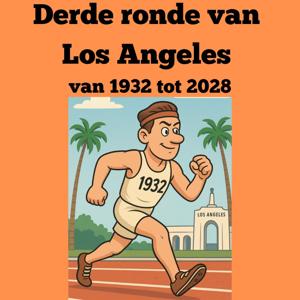
De nieuwe succesvolle sport podcast serie: "Derde Ronde van Los Angeles van 1932 tot 2028"
In an engaging and comprehensive discussion, the podcast delves into the historical significance of doping scandals in the world of athletics, particularly as it pertains to the Olympic Games. The episode provides an insightful analysis of Ria Staalman's experiences during the 1984 Los Angeles Olympics, where she faced both triumph and intense scrutiny. The hosts reflect on how her achievements were overshadowed by allegations of doping, a theme that resonates throughout the history of competitive sports.
As the conversation unfolds, the hosts consider the psychological and societal pressures that compel athletes to resort to performance-enhancing drugs, especially in a sporting culture that increasingly emphasizes success at any cost. Staalman’s eventual confession regarding her use of steroids presents a pivotal moment for discussion, prompting an exploration of the ethical implications and the long-lasting effects such decisions have on athletes’ lives and legacies. The episode serves as a critical examination of the intertwining narratives of integrity, competition, and the relentless pursuit of excellence, offering listeners a profound understanding of the complexities surrounding doping in sports.
Takeaways:
Companies mentioned in this episode:
Luister naar de nieuwe podcast serie: "Derde Ronde van Los Angeles van 1932 tot 2028"
The salient point of this podcast episode revolves around the historical instances of disqualifications in Olympic sports, particularly focusing on the events of 1932 and the subsequent implications of such actions. We delve into the tumultuous water polo match between Brazil and Germany, where the Brazilian team faced disqualification due to misconduct, leading to an altercation with the referees. This discussion serves as a precursor to a broader exploration of various Olympic events marred by disqualifications, including those stemming from doping violations. I further illuminate the context of the 1984 Olympics, where doping emerged as a significant issue, noting a marked increase in violations in subsequent games. We encapsulate our examination by reflecting on the most disqualifications recorded at the London 2012 Olympics, thereby underscoring the ongoing challenges of maintaining integrity within competitive sports.
In a compelling analysis, the episode transitions from the tumultuous events of 1932 to the doping scandals that have plagued the Olympic Games over the decades. The speakers provide a meticulous examination of the disqualifications during the 1984 Olympics, identifying a significant uptick in doping violations across various sports. This segment not only elucidates the mechanisms of doping detection but also reflects on the broader implications for athletes and the integrity of the Olympic movement. The discussion is enriched by statistical insights into the prevalence of doping violations, as well as personal anecdotes that contextualize these occurrences within the larger narrative of Olympic history. The speakers emphasize the ongoing battle against doping, drawing parallels between past and present, and probing the effectiveness of current regulations in safeguarding the spirit of competition.
Takeaways:
Deze keer nemen we je mee naar Los Angeles 1984 – het jaar waarin een jonge Michael Jordan zijn wereldwijde doorbraak beleefde. Nog vóór zijn eerste NBA-minuten leidde hij Team USA naar olympisch goud en liet hij zien dat er een nieuw icoon was opgestaan.
We ontrafelen de verhalen achter dit gouden team van 1984, kijken naar Jordans eerste stappen van talent naar legende en verbinden die momenten met de bredere betekenis van de Olympische Spelen toen én nu.
Een mix van historie, anekdotes en vooruitblik – van de magie van 1984 tot de weg naar Los Angeles 2028.
This podcast episode delves into the intriguing responses we have received regarding our inaugural episode, highlighting the growing interest from both listeners and athletes alike. We share insights about our journey towards the 2028 Olympics, reflecting on the connections we are forging with former Olympians who participated in the 1984 Los Angeles Games. The discussion encompasses the remarkable legacy of Michael Jordan, elucidating his amateur status during the 1984 Olympics and his subsequent ascent to global basketball fame. As we explore the historical context of basketball and its evolution, we also touch upon the significance of national representation in sports, including the Netherlands' achievements in recent competitions. Join us as we traverse the rich tapestry of Olympic history and its enduring impact on contemporary athleticism.
The discourse unfolds with an enthusiastic recounting of the responses elicited from the debut episode of the podcast series, which has garnered attention not only from the general listening public but also from athletes, coaches, and trainers within the sporting community. It is a profound realization for us that the upcoming Olympic Games in 2028 serve not merely as a distant event but as a focal point that intertwines past and present, inspiring both listeners and athletes alike. The conversations delve into nostalgic reflections of the 1984 Los Angeles Olympics, highlighting notable athletes and their enduring connections. As we navigate through the annals of athletic history, we unearth personal anecdotes, illustrating the camaraderie that persists among team members, even decades after their competitive days. The anticipation of hosting former Olympic athletes on our platform promises to enrich our discussions with firsthand experiences and insights, thereby elevating the narrative surrounding the Olympic legacy and the personal journeys of those who have triumphed upon that global stage.
In the subsequent segment of our dialogue, we steer towards the illustrious figure of Michael Jordan, whose nascent career blossomed during the 1984 Olympic Games. A pivotal moment is illustrated as we reflect on how Jordan, then a burgeoning talent from the University of North Carolina, exemplified the qualities of an exceptional athlete. His participation not only marked the beginning of a legendary career but also showcased the potency of the Olympic platform as a springboard for athletes entering the professional realm. Our discussions reveal the remarkable statistics from that tournament, where Jordan emerged as the leading scorer for the American team, thereby cementing his status as a formidable competitor. As we analyze the dynamics of the 1984 games, we also touch upon the broader implications of international competition and the evolution of basketball in the years that followed, culminating in the famed Dream Team of 1992.
The concluding reflections pivot towards the contemporary landscape of sports, particularly as we consider the implications of international relations on future Olympic participation. The dialogue broaches the topic of potential Russian participation in the upcoming Olympic Games, drawing parallels with past boycotts and the ever-evolving nature of global politics as it pertains to athletics. The intricate relationship between sports and national identity emerges as a significant theme, prompting us to ponder the historical context of Olympic participation from various nations. Throughout this discourse, we remain committed to fostering an engaging platform that not only celebrates athletic achievement but also serves as a conduit for exploring the myriad factors that influence the sporting world. We invite our listeners to join us on this journey as we continue to navigate the rich tapestry of Olympic history and its impact on contemporary sports culture.
Takeaways:
Companies mentioned in this episode:
In deze podcastserie, 'Derde Ronde van Los Angeles van 1932 tot 2028', verken ik samen met Boudewijn van Eijck de rijke geschiedenis van de Olympische Spelen, met een bijzondere focus op de edities van 1932 en 1984 in Los Angeles, alsook de aanstaande Olympische Spelen van 2028. Wij zijn beiden fervente sportliefhebbers en delen onze passie door te reflecteren op memorabele momenten en verborgen verhalen uit het verleden, terwijl wij ook vooruitkijken naar de toekomst van de Olympische evenementen.
The inaugural episode of the podcast series "Derde Ronde" elucidates the historical trajectory of the Olympic Games in Los Angeles, spanning from 1932 to 2028. We commence by examining the initial Olympic Games held in Los Angeles in 1932, highlighting the limited participation of female athletes, with only five sports allowing both men and women to compete, in stark contrast to contemporary standards of gender equality in sports. Furthermore, we delve into the economic and logistical challenges that the Dutch Olympic team faced during this period, which ultimately culminated in a reduced contingent of athletes. The conversation also touches upon the evolution of various sports over the decades and the implications for future Olympic events. As we navigate through this rich tapestry of athletic history, we set the stage for a deeper exploration of the nuances and complexities surrounding the Olympic legacy in forthcoming episodes.
In the debut episode of 'Derde Ronde', Boudewijn van Eijk and Rik Bouman embark on an insightful examination of the Olympic Games, particularly focusing on the Los Angeles Olympics of 1932. This episode serves as a gateway into the intricate history of the Olympics, highlighting the sports that were included at that time, and notably, the significant gender disparities that existed. The hosts poignantly point out that a mere five sports featured both male and female competitors, prompting a critical discussion on the implications of such disparity and the evolution towards greater inclusivity in modern Olympic competitions.
The narrative unfolds with a thorough analysis of the economic backdrop that influenced the participation of various nations, particularly the Netherlands. The hosts illustrate how the financial constraints of the era nearly precluded the Dutch team from attending the Olympics, and they commend the decisive actions of the Dutch Football Association, which stepped forward to secure necessary funding. This highlights the interplay between sport, national identity, and economic realities, emphasizing that even in the realm of athletics, financial viability plays a crucial role in representation.
As the episode progresses, Boudewijn and Rik reflect on the historical significance of the 1932 Olympics, setting the stage for a broader discourse on the evolution of sports and gender dynamics in the Olympics. The episode concludes with a promise of continued exploration into the subsequent Olympic Games, inviting listeners to consider how the past informs the present and future of athletic competition. This engaging and informative episode serves as both a historical narrative and a catalyst for discussion on the ongoing journey toward equality in sports.
Takeaways:
Links referenced in this episode:
Companies mentioned in this episode:
In deze podcastserie, 'Derde Ronde van Los Angeles van 1932 tot 2028', verken ik samen met Boudewijn van Eijck de rijke geschiedenis van de Olympische Spelen, met een bijzondere focus op de edities van 1932 en 1984 in Los Angeles, alsook de aanstaande spelen van 2028. Wij zijn beiden fervente sportliefhebbers en delen onze passie door te reflecteren op memorabele momenten en verborgen verhalen uit het verleden, terwijl wij ook vooruitkijken naar de toekomst van de Olympische evenementen. In deze serie zullen wij niet alleen de sportieve prestaties van legendes zoals Carl Lewis en Michael Jordan bespreken, maar ook de perspectieven van atleten, coaches en verslaggevers die betrokken waren bij deze iconische gebeurtenissen. Wij nodigen u uit om ons te volgen, zodat u geen enkel aspect van deze fascinerende sportgeschiedenis mist. Onze eerste aflevering is gepland voor 25 augustus, en we zullen wekelijks nieuwe inzichten en anekdotes met u delen.
From 1932 to 2028: The Evolution of the Olympic Spirit in Los Angeles
Our podcast series embarks on an ambitious exploration of the Olympic Games, with a particular focus on the historical significance of the 1932 and 1984 Olympics in Los Angeles, as well as the forthcoming 2028 Games. Boudewijn van Eijck and Rik Bouman, two passionate sport enthusiasts, endeavor to provide listeners with an in-depth analysis that goes beyond the surface-level achievements of athletes, delving into the rich narratives and anecdotes that have shaped the Olympic legacy. This journey will not only celebrate past glories but also set the stage for future aspirations, creating a dialogue that bridges generations of sports history.
In each episode, we will engage with a variety of voices from the world of sports, including athletes who competed in the earlier games, coaches who shaped their journeys, and journalists who chronicled these historic events. By weaving together these diverse perspectives, we aim to paint a comprehensive portrait of the Olympic experience, shedding light on the triumphs, struggles, and cultural significance of these games. The podcast promises to uncover hidden stories that have been obscured by time but remain integral to understanding the essence of the Olympics.
As we anticipate the excitement of the 2028 Games, listeners are invited to reflect on the evolution of Olympic sports and the values they represent, such as resilience, determination, and international unity. By following our series, audiences will gain a deeper appreciation for the Olympics as a celebration of human achievement and a testament to the enduring spirit of competition that continues to inspire athletes and fans alike.
Takeaways:
From the publisher's feed