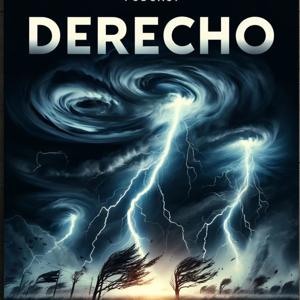
Derecho

Derecho

By Inception Point AIScience
Download on the App Store

Derecho episodes

  • "Powerful Straight-Line Windstorms: Derechos Pose Threat Across Midwest and Southeast"
    A derecho is a widespread, long-lived windstorm that is associated with a band of rapidly moving showers or thunderstorms. Although a derecho can produce destruction similar to the strength of a tornado, the damage typically is directed in one direction along a relatively straight swath. As a result, the term "straight-line wind damage" sometimes is used to describe derecho damage. Depending on the intensity, the damage done by a derecho can be compared to that of hurricanes or tornadoes, with winds surpassing 100 miles per hour in severe cases.
    Derechos are relatively rare events but can occur anywhere in the world. In the United States, they are most commonly observed in the Midwest, the Great Plains, and the Southeast. One feature that distinguishes derechos from other storms is their rapid movement, which can reach speeds up to 60 miles per hour, allowing derechos to cover a vast area, ranging from a few hundred to well over 1,000 miles. The term "derecho," coined in the 19th century, is Spanish for "straight ahead" or "direct," which aptly describes the storm’s swift and linear path of destruction.
    Management and prediction of derechos involve detailed meteorological analysis and the use of weather radar technology. The forecasting challenges lie in predicting when and where a derecho will develop, often with limited lead time. Communities commonly impacted by derechos are encouraged to have robust emergency prepared systems and to encourage residents to secure properties in anticipation of such storms. Public awareness campaigns and emergency alert systems play key roles in minimizing harm and preventing substantial economic losses caused by derechos.
    This content was created in partnership and with the help of Artificial Intelligence AI.
    2 min
  • "Mysterious Savior Emerges Amidst Powerful Texas Derecho Disaster"
    A derecho, a rare but powerful weather phenomenon, consists of a widespread, long-lived windstorm associated with a band of rapidly moving showers or thunderstorms. Unlike a tornado, a derecho's damage typically occurs in one direction along a relatively straight swath. The term "derecho" comes from the Spanish word for "straight" or "direct," in contrast to the twisting damage path of tornadoes.
    In Tomball, Texas, a recent derecho event exhibited the power and suddenness of such storms. During the May derecho, Bryan Peterson found himself in need of help as the storm wreaked havoc. His savior, a woman whose identity initially remained unknown to him, assisted him during the storm's peak. Her timely intervention highlights the acts of bravery and kindness that often emerge during natural disasters. In gratitude, Peterson has been making efforts to reconnect with and thank the woman who helped him.
    Derechos can cause considerable damage due to their intense wind speeds and the broad area affected. The derecho in question not only endangered lives but also disrupted local utilities. For instance, it knocked out the outage tracker service provided by CenterPoint, a crucial tool for Houston residents to track power outages and recovery statuses.
    Such incidents underline the vulnerability of infrastructure and the critical need for robust systems capable of withstanding severe weather events. They also serve as important reminders for communities to prepare for sudden natural disasters, ensuring safety protocols and emergency response strategies are in place to mitigate damage and provide aid during critical times.
    This content was created in partnership and with the help of Artificial Intelligence AI.
    2 min
  • "Derecho: A Unifying Term Across Diverse Contexts"
    In diverse contexts around the globe, the term "derecho" surfaces in varying significances affecting local communities and international relations alike. In Davao City, Philippines, Maribeth Derecho, aged 47, represents the poignant reality of fire victims grappling with the aftermath of destructive fires. Expressing a sentiment shared by many in similar situations, Derecho highlighted the challenges faced in recovering from yet another perilous event that disrupted lives.
    In a different vein of usage, the term also figures prominently in international diplomatic language concerning defense strategies and national security. The United States reaffirmed its stance to continue supporting Israel's right to defend itself. This declaration followed announcements by the Israeli military regarding their defensive maneuvers, underscoring the ongoing and complex geopolitical tensions in the region.
    Switching focus to the world of sports, particularly Major League Baseball, "derecho" also describes a player's position—specifically, referring to a right-handed pitcher. Bowden Francis, a 28-year-old right-handed pitcher, carried a no-hitter into the ninth inning in a game where the Toronto Blue Jays triumphed over the Los Angeles Angels with a score of 3-1. His outstanding performance almost culminated in a no-hitter, only relinquished in the final innings, illustrating the peaks of athletic achievement within professional baseball.
    These instances, spanning from personal struggles in the Philippines through geopolitical expressions of support, to noteworthy achievements in sports, highlight the diverse implications and applications of the term "derecho," contextualized by regional and global events. Whether in the realm of personal adversity, international politics, or sports, the influence and meaning adapt, reflecting the multifaceted nature of language as it spans different spheres of human activity.
    This content was created in partnership and with the help of Artificial Intelligence AI.
    3 min
  • Derecho Debris Lingers in Houston Neighborhoods Amid Slow Cleanup Process
    In the aftermath of the derecho that swept through Houston neighborhoods in mid-May, residents are still grappling with the consequences, most notably the significant accumulation of tree debris. Derechos, powerful straight-line windstorms, are similar to an inland hurricane and can cause extensive damage due to their intense winds.
    Residents, like the one visiting her mother’s property, express frustration over the slow cleanup process. The sentiment that the debris clearance "should've been done a long time ago" encapsulates the community's impatience and dissatisfaction with the pace of recovery efforts. Such delays can exacerbate safety hazards and impede normal daily activities, underscoring the importance of efficient disaster response and management.
    This scenario in Houston reflects broader challenges often faced by communities post-natural disasters where debris management becomes a critical aspect of the recovery process. Effective debris removal is crucial not only for aesthetic and practical reasons but also for preventing potential health and safety risks. Prolonged debris can obstruct roadways, hinder emergency and recovery operations, and attract pests.
    Cities prone to such disasters can learn from experiences like Houston's to optimize their emergency preparedness and debris management strategies. This involves pre-planning debris removal routes and sites, contracting with emergency service providers in advance, and establishing clear communication channels for residents to report issues and receive updates.
    Moreover, the story from Houston serves as a reminder of the necessity for community resilience and the need for a coordinated response from various stakeholders including local government, emergency services, and residents. Collaboration and preparedness are key in mitigating the impacts of such severe weather events and ensuring timely and effective recovery.
    In conclusion, the derecho in Houston has laid bare the critical need for proactive disaster response and debris management plans to better assist communities in quickly rebounding from similar devastating events in the future.
    This content was created in partnership and with the help of Artificial Intelligence AI.

    3 min
  • "Derecho Devastation in Houston Prompts Temporary Tax Relief and Legal Debates"
    A derecho, a powerful and fast-moving line of thunderstorms, can cause extensive damage similar to that of a tornado, and its effects were tragically felt in Harris County when such a storm swept through Houston in May. Characterized by intense straight-line winds that reached speeds of up to 100 mph, the derecho tore roofs from homes, shattered windows, and resulted in fatalities.
    In light of this natural disaster, Harris County has implemented a temporary disaster exemption to provide financial relief to affected property owners. This measure leads to lower property taxes for residents whose properties were significantly damaged by the storm, helping alleviate some of the financial burdens as they rebuild and repair their homes and businesses.
    Moreover, the aftermath of such storms often fuels discussions on legal and policy frameworks. For instance, high-profile discussions among legal experts, such as those from international business law firms and constitutional specialists, have intensified. These experts debate potential constitutional modifications that could impact how future generations are able to respond to and manage the modification of laws post such disasters. As legal frameworks evolve, the focus remains not only on immediate recovery but also on establishing robust systems to better withstand and quickly recover from future calamities.
    This content was created in partnership and with the help of Artificial Intelligence AI.
    2 min
  • Judicial Workers in Mexico Protest Proposed Reforms Allowing Less Qualified Individuals in Key Positions.
    En recientes acontecimientos en México, trabajadores del Poder Judicial han iniciado un paro de labores como acto de protesta contra las propuestas de reforma impulsadas por el presidente Andrés Manuel López Obrador. Estas reformas, si se aprueban, permitirían que cualquier persona con un título en derecho y algunos años de experiencia pueda ocupar ciertos cargos judiciales, lo que ha generado preocupación entre los profesionales del sector.
    Esta situación no es un caso aislado en su importancia sobre cómo las políticas y reformas pueden influir en las estructuras judiciales y, por extensión, en la impartición de justicia. Los críticos de la reforma argumentan que esta podría comprometer la independencia y la especialización del Poder Judicial al permitir que personas potencialmente menos cualificadas ocupen puestos clave. Este paro de labores subraya la resistencia y las tensiones que pueden surgir cuando se proponen cambios significativos en el sistema judicial de una nación.
    En otras noticias deportivas relacionadas con el uso del término "derecho," el equipo de béisbol de los Reales de Kansas City en la Major League Baseball (MLB) reincorporaron al pitcher derecho John Schreiber a su equipo principal y enviaron a Carlos Hernández a Triple-A Omaha. Paralelamente, los Rojos de Cincinnati promovieron al también pitcher derecho Julián Aguiar de Triple-A para que comenzara en un juego contra Toronto. Estos movimientos ilustran cómo los términos legales y deportivos, a pesar de compartir la misma palabra "derecho," tienen aplicaciones y contextos muy diferentes. En el contexto deportivo, "derecho" se refiere a la mano con la que un jugador, especialmente un pitcher, lanza predominantemente, lo cual es crucial para las estrategias y alineaciones en el béisbol.
    This content was created in partnership and with the help of Artificial Intelligence AI.
    2 min
  • Giants Clinch Victory Over Athletics with Clutch 10th Inning Homer
    In an electrifying conclusion to the "Battle of the Bay," the Giants clinched a 4-2 victory over the Athletics thanks to a strategic home run in the 10th inning. The crucial play came when Encarnación took the first pitch from Dominican pitcher Dany Jiménez and sent it flying over the wall between center and right field, decisively turning the game in favor of the Giants. This home run not only secured the win but also highlighted Encarnación's pivotal role in the game’s outcome.
    In another notable MLB matchup, Bowden Francis showcased exceptional pitching prowess, leading the Toronto Blue Jays to a narrow 1-0 victory against the Chicago Cubs. During the game, Francis maintained a dominant presence on the mound, limiting the Cubs to just three hits while recording seven strikeouts and issuing no walks. This performance marked his fourth win in six starts, underscoring his growing reputation as a reliable starter for the Blue Jays. Reliever Chad Green also contributed to the shutout, further stifling the Cubs' offense and securing the win.
    Meanwhile, a severe weather event made headlines as a record-breaking derecho swept across northern Illinois on July 15. Characterized by intense straight-line winds, this powerful storm system resulted in widespread damage, particularly in DeKalb, Ogle, and Winnebago counties. The National Weather Service confirmed that the event included 32 tornadoes, marking it as an unprecedented derecho in terms of both the number of tornadoes spawned and the level of destruction caused. This storm highlighted the unpredictable and often dangerous nature of derecho weather phenomena, which can lead to significant impacts on affected communities and landscapes.
    This content was created in partnership and with the help of Artificial Intelligence AI.
    2 min
  • Destructive Derechos: Straight-Line Winds Pose Serious Threat
    A derecho is a widespread, long-lived windstorm that is associated with a band of rapidly moving showers or thunderstorms. The term "derecho" comes from the Spanish word meaning "straight ahead" or "direct," which aptly describes the storm's swift and direct path of devastation. Unlike a tornado, which tends to have a twisting path, derechos travel in a straight line, causing widespread horizontal wind damage.
    Derechos can cause extensive damage similar to that of tornadoes, but the destruction typically results from straight-line winds which can exceed hurricane force. These storms are particularly dangerous due to their capability of lasting for hours and traveling hundreds of miles. They often strike with little warning, and their rapid movement allows them to cover an extensive area, impacting larger populations.
    Understanding the implications of derechos is important, especially for regions prone to such events. For example, in Iowa, a significant derecho in 2020 resulted in considerable damage and utility disruptions, illustrating the severe impact such a storm can have on communities. The derecho produced winds similar to a Category 4 hurricane, leading to millions of dollars in damages and affecting essential services and agriculture.
    Derechos are less common than other thunderous weather events but they pose a serious risk in the regions where they occur, often in the Midwestern and Eastern parts of the United States. Preparing for derechos involves typical severe weather precautions like securing loose items outside, having a supply of essentials in case of power outages, and staying informed through weather alerts and forecasts.
    Given their destructive potential, understanding derechos is crucial for hazard preparedness and minimizing their impact on communities. Awareness and proper planning can reduce the risks associated with these powerful storms, ensuring better safety and resilience.
    This content was created in partnership and with the help of Artificial Intelligence AI.
    3 min
  • Derecho Storms Highlight Disaster Response Challenges, Sports Injuries Underscore Player Management Complexities
    Derechos, intense and fast-moving windstorms, have become notable occurrences that highlight the challenges in disaster management and environmental cleanup. A recent storm in Houston, for example, necessitated a significant debris cleanup initiative undertaken by the city's Solid Waste Management department. This cleanup effort was crucial in mitigating the impacts of the storm on the local community and environment.
    In the world of sports, the term “derecho” also appears but with a different context, often describing the right side in sports terminology in Spanish. The injury updates concerning players like the Dutch footballer Frenkie de Jong, who suffered a right ankle sprain, illustrate the uncertainties sports teams face regarding player health and readiness. Such injuries can significantly affect team strategies and player careers.
    Moreover, player transfers, such as Mario Martín's loan move from Real Madrid to Real Valladolid, underscore the fluid dynamics within sports teams. Martín, referred to as a favored young talent — "ojito derecho" — illustrates how teams invest in and manage young prospects, hoping they realize their potential and contribute significantly to the team’s success.
    Both scenarios, whether relating to natural disasters or sports management, involve meticulous planning and adaptability. In the case of derecho storms, cities like Houston must continuously refine their emergency response strategies to effectively manage the aftermath of such unpredictable natural events. Similarly, in football, managing player fitness and transfers requires a deep understanding of athlete development and team needs, which are crucial for achieving long-term success.
    This content was created in partnership and with the help of Artificial Intelligence AI.
    2 min
  • "CenterPoint Faces Scrutiny Over Storm Response After Hurricane Beryl and Derecho Damage"
    In the wake of Hurricane Beryl and a severe derecho event, CenterPoint is under scrutiny for its response to these significant weather events. Following the extensive damage caused in July and earlier in May by a derecho—a powerful storm characterized by straight-line winds—an assessment by the Public Utilities Commission (PUC) has been prompted. Through a public survey mentioned in a KPRC 2 report, residents are being called to evaluate CenterPoint's performance, compelling the company to account for its disaster response and recovery processes.
    The frequent occurrence of derechos, often referred to as inland hurricanes due to their hurricane-like winds, presents considerable challenges to utility companies responsible for quick restoration of services after extensive outages. This need becomes more pressing considering the destructive capabilities of these storms, which are characterized by swift, straight-line winds that can span hundreds of miles and cause widespread damage similar to that of tornadoes, but over a much larger area.
    CenterPoint's ability to manage emergencies and restore utilities swiftly is critical to minimizing the impact on affected communities. Effective communication, rapid deployment of recovery teams, and prior strategic planning are essential components of response strategies that prevent prolonged power outages and facilitate quicker normalcy restoration for residents.
    Feedback from the community via PUC surveys is vital as it not only holds the utility accountable but also provides direct insights into areas requiring improvement. Such community-engaged approaches ensure that utilities align more closely with the expectations and needs of the residents they serve.
    Moreover, the shared experiences from these events, distilled through public feedback, enable utility companies to refine their disaster response strategies continually. In broader terms, they also contribute to the evolving practices of emergency response and infrastructure resilience, crucial in an era where extreme weather events are becoming increasingly frequent due to climate change.
    As CenterPoint navigates the aftermath of Hurricane Beryl and the May derecho, the focus will be on learning from this episode to bolster future responsiveness. The outcome of the PUC survey will likely influence not only public perception but also potential regulatory measures aimed at enhancing utility responses to natural disasters, thereby setting a precedent for how energy companies nationwide might address similar emergencies in the future.
    This content was created in partnership and with the help of Artificial Intelligence AI.
    3 min

About Derecho

From the publisher's feed

Welcome to "Derecho," the podcast where we delve deep into the awe-inspiring and often destructive weather phenomenon known as a derecho. Join us as we explore the science behind these powerful storms, their impact on communities, and the thrilling stories of those who have experienced them firsthand. Whether you're a weather enthusiast or just curious about the forces of nature, "Derecho" offers insightful discussions with meteorologists, climate scientists, and storm chasers who bring you closer to the heart of these incredible weather events. Tune in to understand the dynamics of derechos and their significance in the world of extreme weather.