Derecho

Derecho

By Inception Point AIScience
Download on the App Store

Derecho episodes

  • Derecho: Powerful Windstorms and Athletic Feats Across Meteorology and Sports
    A derecho is an intriguing meteorological event, marked by a widespread and prolonged windstorm often associated with a band of fast-moving thunderstorms. Deriving its name from the Spanish term meaning "straight" as opposed to "twisted," which would describe a tornado, derechos are known for their linear wind patterns.
    These storms can extend hundreds of miles in length and can produce destruction similar to the results of hurricanes or tornadoes. Derechos occur primarily in the United States during the warm season, particularly within the Midwest and the Great Plains. The powerful winds of a derecho can reach velocities equivalent to those found in significant hurricanes but proceed in a straight line rather than a cyclonic swirl.
    In other news related to the term "derecho," in the world of sports, it refers to a pitcher's throwing ability in baseball context. Recently, a 29-year-old pitcher celebrated a notable personal milestone, winning five out of six decisions since July 29th. This performance highlights his skill and consistency on the mound, contributing significantly to his team’s success.
    In football, the term was used while discussing the transfer of a 23-year-old right-back to a prominent club for a significant sum, reflecting his value and the high financial stakes involved in top-tier football. The transfer of this right-back involved a calculated payment, considering both his skills and potential contribution to the purchasing club.
    Both in meteorology and sports, the term “derecho” underscores the power and direction of either natural forces or talented individuals, showcasing impacts that extend across different fields of interest.
    This content was created in partnership and with the help of Artificial Intelligence AI.
    2 min
  • Devastating Derecho Strikes Northern Illinois and Indiana
    A derecho, a widespread and severe windstorm associated with a band of rapidly moving showers or thunderstorms, impacted northern Illinois and northwestern Indiana as part of an intense period of thunderstorm activity. This derecho was the fifth storm event within only about 60 hours. Derechos are known for their capability to cause significant damage similar to that of tornadoes due to the strength of their straight-line winds.
    Derechos are relatively rare events that often occur in the United States during the warm season. The term "derecho" comes from the Spanish word meaning “direct” or “straight ahead.” This contrasts with tornadoes, which are characterized by their twisting, vortex nature. A derecho can produce damage over a much larger area than a tornado, with wind gusts that can exceed 100 mph over areas extending for hundreds of miles.
    In addition to weather phenomena, the term "derecho" also appeared in discussions about educational policies. In Colorado, there was a debate over a potential ballot measure concerning school choice. This measure, if accepted, might lead to an amendment to the state’s constitution, granting parents the right to send their children to any school of their choice. This would significantly impact educational policies and parental control over educational options within the state.
    In sports, the word took on a different context when describing baseball player Vladimir Guerrero's performance. Guerrero, a talented player for the Toronto Blue Jays, achieved a 20-game hitting streak, highlighted by a achieving his first triple of the season against pitcher Bryan Baker of the Baltimore Orioles. His performance was notable because not only did it extend his hitting streak, but it also came crucially in a game that the Blue Jays won 7-6 against the Orioles, underscoring his impact in crucial game moments.
    Whether discussing intense meteorological events, educational policy proposals, or standout sports performances, the term "derecho" threads through discussions across very different fields, illustrating the diversity of its applications and the breadth of scenarios where it can apply.
    This content was created in partnership and with the help of Artificial Intelligence AI.
    3 min
  • Powerful Derechos: Straight-Line Winds, Widespread Destruction.
    A derecho is a widespread and fast-moving windstorm associated with bands of rapidly moving showers or thunderstorms. Although derechos can cause hurricane-force winds, tornadoes, and heavy rains that result in flash flooding and hail, they are distinct for their straight-line wind patterns, unlike the more swirling winds of a tornado. This meteorological phenomenon generally moves in one direction along a relatively straight path, typically spanning hundreds of miles.
    The science behind derechos involves understanding atmospheric conditions. For a derecho to form, a large pool of hot and humid air at the surface, coupled with cooler air aloft, is needed. This situation often develops along or just ahead of a strong frontal boundary. When the cooler air descends, it drives the warm surface air upwards, accelerating the condensation process and creating strong downdrafts surrounded by intense winds. When these winds hit the ground, they spread out in straight lines. Mid-level atmospheric winds contribute to maintaining the storm's forward motion.
    Recent advances in meteorological technology have improved the prediction and tracking of such severe weather events, including the identification of potential tornado paths within derecho systems. This allows for better-preparedness and timely alerts to affected areas, potentially saving lives and mitigating damage.
    The derecha that struck in 2020, notably impacted Cedar Rapids among other areas, demonstrates the power and lasting impact of these storms. Local communities such as sports teams and recreational facilities experienced severe damage, indicating how derechos can affect infrastructures and daily life. Even years after the event, signs of destruction and ongoing recovery efforts remain visible, underlining the challenges that come with restoring damaged neighborhoods and public facilities.
    Understanding derechos and their impacts helps to highlight the necessity for ongoing research and technology development in weather prediction and disaster management. Being prepared and responsive to such natural disasters can greatly aid in community resilience and recovery.
    This content was created in partnership and with the help of Artificial Intelligence AI.
    3 min
  • "Derecho": A Multifaceted Term Spanning Weather, Law, and Politics
    "Derecho" in Spanish can mean both "right," as in a human right, and "law" or "legal system," particularly in the context of a social state governed by laws. However, it also refers to a severe weather phenomenon that occurred on August 10, 2020, which caused significant devastation. This term also carries importance in various socio-legal contexts across different Spanish-speaking regions, indicating its versatile use in both everyday language and in more specialized, academic, and legal discussions.
    In the political arena, Tim Walz, the Governor of Minnesota, was chosen as the running mate for Democratic candidate Kamala Harris. At 60 years old, Walz's background as a teacher may influence their campaign strategies and policy focus, especially perhaps in areas related to education and civil services.
    Meanwhile, international sports events can often intersect with political statements, as demonstrated by the Romanian Prime Minister's decision to boycott the closing ceremony of the Olympics. This action was in response to what was described as a "scandalous situation" in a gymnastics ruling, highlighting how sports can sometimes become a stage for expressing national discontent or political standpoints.
    These events, ranging from severe weather phenomena to significant political movements and international sports controversies, underscore the diverse applications of the term "derecho" and illustrate the interplay between environmental, political, and social issues globally.
    This content was created in partnership and with the help of Artificial Intelligence AI.
    2 min
  • Lasting Impact: Communities Grapple with Derecho's Aftermath
    When severe weather strikes, the impact can linger long after the clouds have cleared. This has been the case with the derecho events that wreaked havoc in various locations, leading to extensive and ongoing recovery efforts. A derecho, a widespread and usually fast-moving windstorm, can cause damage similar to that of a tornado, and the aftermath can be just as challenging.
    At Fox Island Park, the restoration is a testament to the devastation left by the 2022 derecho. Many trees were uprooted or destroyed, significantly altering the landscape of this cherished local park. Despite these challenges, the park has reopened. The reopening allows visitors to return to their favorite outdoor activities like swimming and hiking, providing a semblance of normality. Nevertheless, the full recovery and cleanup process is still progressing, emphasizing the severity and long-term nature of the restoration needed after such extreme weather events.
    Elsewhere, the derecho has had an impact on the arts and music scene, inspiring creations that reflect the experiences and stories from these storms. The music album "Derecho" by Photay, released under the label Mexican Summer, transforms these atmospheric disturbances into a sonic experience. It’s a unique approach to capturing the essence of a natural phenomenon through another medium, showcasing the multifaceted ways in which a weather event can influence culture.
    Turning to the challenges faced by educational institutions, Sinclair Elementary school's experience highlights the disruption caused by derechos. The school suffered significant damage due to a storm, affecting buildings and potentially delaying the academic year. However, thanks to concerted efforts and community support, the school is set to reopen for classes, demonstrating resilience and the urgent drive to return to normalcy for the sake of educational continuity.
    Each story from Fox Island Park to Sinclair Elementary underscores the long road to recovery that follows a derecho. They reflect a community's resilience and the profound impact of nature's force on everyday life, influencing everything from environmental landscapes to artistic expression and educational operations. As these communities rebuild and adapt, the stories of recovery also serve as reminders of the importance of preparedness and support systems in mitigating the effects of future natural disasters.
    This content was created in partnership and with the help of Artificial Intelligence AI.
    3 min
  • "Derecho: A Versatile Term Spanning Law, Weather, and Sports"
    Derecho, a term with multiple meanings, prominently surfaces in recent global news in various contexts — from international law discussions to meteorological phenomena and sports team strategies.
    Starting with geopolitics, Iran has made headlines by asserting what it calls a "legal right" to retaliate against Israel for the assassination of a significant figure in Tehran, which the Iranian authorities attribute to their longtime adversary, Israel. This situation underscores the fragile nature of international relations in the Middle East, where legal, moral, and military arguments often intersect, leading to complex diplomatic and security challenges.
    Switching gears, the term derecho also appears in weather-related reports. A derecho is a rare but severe storm characterized by a long line of fast-moving thunderstorms that can create widespread and straight-line wind damage. This meteorological event was notably mentioned in the preparation advisories for Tropical Storm Debby as it approached South Carolina. Understanding derechos is crucial for meteorologists and emergency management officials as these storms can lead to significant environmental and property damage, urging timely warnings and preparations to mitigate impact.
    In the world of sports, the word surfaces in discussions about player positions and tactics, particularly in football. Julián Araujo's role as a “lateral derecho” (right-back) was analyzed given his absence in a critical match against Madrid, highlighting the evolving strategies and player choices within team dynamics. In team sports, every position is pivotal, and discussions about players like Araujo illustrate ongoing evaluations and adjustments that teams must make in response to performance and competition.
    Across these varied instances — legal rights, weather phenomena, and sports strategies — the term derecho brings to light the interconnectedness of language and its application across different fields. Each use of the term offers a glimpse into how words can bridge disparate realms like law, weather science, and sport, providing a richer, multi-dimensional understanding of global events and issues. Whether discussing legal principles, natural disasters, or game tactics, the adaptability of terminology reflects the complexity and diversity of global discourse.
    This content was created in partnership and with the help of Artificial Intelligence AI.

    3 min
  • Headline: Navigating the Intersection of Rights, Education, and Sports
    In the realms of education and sports, the concept of rights and permissions plays a pivotal role in structuring regulations and behaviors. Governor Newsom's consideration to ban mobile devices in schools underlines a significant shift towards prioritizing educational environments where distractions are minimized. This potential statewide legislation points to a broader conversation on how technology integrates with, or disrupts, educational goals.

    Similarly, the use of the term "derecho" in different contexts, such as in sports reporting or academic texts, highlights its versatile implication. For example, the celebration by Zach Neto and Jo Adell of the Los Angeles Angels, encapsulates a moment of triumph and teamwork within the framework of sports regulations and ethics.

    Moreover, the discussion of "Análisis económico del derecho" by Alfredo Bullard offers an insightful perspective on how economic principles can be applied to understand and navigate the legal systems. This integration of economics and law provides a structured way to evaluate the implications of laws and their effects on society.

    From educational policies to sports achievements, and legal analysis, understanding the framework of rights is essential. It guides administrators, educators, athletes, and scholars in making decisions that are not only legally compliant but also ethically and socially responsible. Such discussions foster a deeper understanding of how rules and regulations affect various facets of society.

    This content was created in partnership and with the help of Artificial Intelligence AI

    This episode includes AI-generated content.
    2 min
  • Powerful 'Derecho' Storms, Human Rights Concerns, and Sports Injuries
    The term "derecho" might not be well-known outside meteorological circles, but it's a powerful phenomenon that recently caught the public's attention following a rare storm on July 24. Classified as a type of long-lasting wind storm associated with bands of rapidly moving showers or thunderstorms, derechos can cause significant damage over a wide area. To be classified as a derecho, the wind damage swath must extend more than 240 miles and include wind gusts of at least 58 miles per hour throughout its length.
    Thousands of miles away, in Venezuela, "derecho" takes on a different context entirely, referring to the Spanish word for "rights." Here, the situation involves human rights concerns highlighted by Amnesty International. The organization has raised alarm over hundreds of arrests, urging the Venezuelan authorities to cease detaining individuals merely for exercising their rights. The call for action by Amnesty International emphasizes the need for accountability and respect for civil liberties by the Venezuelan government.
    Meanwhile, in the world of sports, Seattle Mariners’ center fielder Julio Rodríguez is fighting a personal battle with an injury to his right ("derecho" in Spanish) ankle. Rodríguez, a crucial player for the team, injured himself in a collision with the outfield wall. Despite the setback, he is making positive strides in his recovery process, although his return to the field remains undefined.
    These diverse uses of "derecho" – whether discussing meteorological events, human rights issues, or sports injuries – illustrate how language can bridge very different fields, providing a reminder of the interconnectedness of our global concerns.
    This content was created in partnership and with the help of Artificial Intelligence AI.
    2 min
  • "Errors, Enhancements, and Ethics: The Interplay of Sports, Technology, and Sportsmanship"
    In an electrifying series of events that spanned sports and technology, recent narratives have showcased the critical role of errors and enhancements in dramatic outcomes. In the world of baseball, a notable game witnessed the Rockies clinching a 5-4 victory over the Angels due to a significant error in the tenth inning. Jake Cave's home run off Hunter Strickland marked a pivotal moment in the game, especially since Strickland has been under pressure as the closer since Carlos Estevez’s reassignment. Such moments underline how sports can pivot dramatically on single moments of misjudgment or skill.
    Simultaneously, technological advancements in response to environmental challenges were underscored by the introduction of CenterPoint's new power outage tracker map. This innovation was necessitated following the failures of the existing system during the severe derecho storm in May. The storm highlighted the vulnerability of infrastructure to extreme weather events, and the rollout of the new tracker aims to enhance real-time responses and better prepare communities for future adversities.
    On the Olympics front, controversy unfurled when boxer Angela Carini withdrew from her fight, sparking significant discourse around athletes' rights and the principles of sportsmanship. The International Olympic Committee (IOC) weighed in, reiterating every athlete's right to participate in sports without facing discrimination. Carini’s refusal to shake hands with her opponent, Khelif, post-match, ignited debates about respect and the ethical obligations of athletes in highly competitive environments.
    These incidents across different realms illustrate not only the unpredictability and pressure in sports but also the relentless march towards technological adaptation in the face of natural calamities. Each scenario reflects a critical moment of decision—be it a mistake on the baseball field, a technological upgrade in disaster response systems, or an ethical controversy on the global sporting stage. Such moments not only define the outcomes of games or the efficiency of responses to natural disasters but also test our values in the realms of sportsmanship and personal conduct in competitive arenas. Together, they weave a complex tapestry of human endeavor and the continuous quest for improvement and integrity.
    This content was created in partnership and with the help of Artificial Intelligence AI.
    3 min
  • Derechos Wreak Havoc Across U.S., Straining Municipal Budgets
    Derechos, powerful storms characterized by straight-line winds, are becoming increasingly visible, inflicting damage likened to that caused by tornadoes. The recent severe weather in Des Moines, including a significant derecho event, underlines the disruptive impact of these weather phenomena. Following the Des Moines storm, the region braced for another potential wave of severe weather, sparking concerns over "tornado-like" damage, though the immediate subsequent storms primarily resulted in heavy rainfall.
    The concept and nature of derechos are particularly noteworthy. Unlike tornadoes, which have a twisting, localized path, derechos strike with a broad swath of straight-line winds that can extend for hundreds of miles. This capacity for widespread devastation was evident in Des Moines and is a crucial factor in emergency preparedness and community warnings.
    Meanwhile, in Houston, the aftermath of Hurricane Beryl showcased another facet of storm impact—economic strain. The cleanup from Beryl's destruction is estimated to cost $100 million, highlighting the financial burdens disasters can impose on communities. In tackling the debris from Hurricane Beryl, Houston has mobilized extensive resources, including 10 temporary debris collection sites and over 350 subcontractors.
    This financial aspect of storm recovery is critical. The economic impact is particularly severe for cities that face these weather extremes, where the costs of response and recovery can strain municipal budgets. The scenario in Houston reveals the scale and expense of clearing debris after significant storms, something cities like Des Moines might also experience if predicted severe weather materializes.
    In sum, the pervasive threat of derechos and similar severe weather events calls for enhanced awareness and preparedness, both in terms of infrastructure resilience and economic readiness. As communities like Des Moines confront possible recurring derechos, and as Houston deals with the fiscal ramifications of hurricane recovery, the broader dialogue on managing and mitigating severe weather impacts continues to evolve. The goal remains clear: safeguard lives and minimize economic disruption amidst increasingly frequent and intense weather events.
    This content was created in partnership and with the help of Artificial Intelligence AI.

    3 min

About Derecho

From the publisher's feed

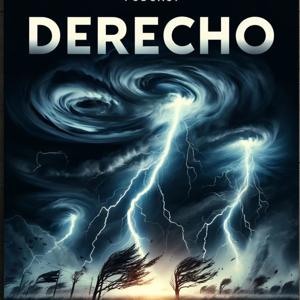
Welcome to "Derecho," the podcast where we delve deep into the awe-inspiring and often destructive weather phenomenon known as a derecho. Join us as we explore the science behind these powerful storms, their impact on communities, and the thrilling stories of those who have experienced them firsthand. Whether you're a weather enthusiast or just curious about the forces of nature, "Derecho" offers insightful discussions with meteorologists, climate scientists, and storm chasers who bring you closer to the heart of these incredible weather events. Tune in to understand the dynamics of derechos and their significance in the world of extreme weather.
