Derecho

Derecho

By Inception Point AIScience
Download on the App Store

Derecho episodes

  • Destructive Derechos: Midwest Faces Surging Threat as Right to Food Becomes Paramount
    A derecho, a widespread and usually fast-moving windstorm, is becoming an increasingly familiar meteorological term, especially in the Midwest. A recent focus has centered on a potentially significant derecho developing across Iowa, extending into Missouri and Illinois. This type of storm is characterized by a band of rapidly moving showers or thunderstorms that can cover a vast area and is notorious for causing straight-line wind damage extensive enough to rival the destruction of some tornadoes.
    In weather terminology, the term "derecho" comes from the Spanish word meaning "straight ahead," aptly describing the storm’s straight-path wind damage, as opposed to the swirling winds of a tornado. These storms are formidable: to qualify as a derecho, the wind damage swath must extend more than 240 miles and include wind gusts of at least 58 miles per hour or greater along most of its length. The Storm Prediction Center only classifies a weather event as a derecho after assessing the storm's impact post-event, verifying whether it meets the necessary criteria.
    The meteorological community notes that derechos are becoming more frequent and intense, particularly across Iowa and Illinois. As these areas grapple with the challenges posed by such destructive storms, understanding and predicting derechos is becoming a crucial part of weather forecasting and preparedness initiatives.
    Meanwhile, at the opposite end of the spectrum in terms of human necessity, derecho is also seen as a fundamental human right—specifically, the right to food. Organizations like the World Central Kitchen operate under this ethos in regions stricken by disaster, such as Chernihiv Oblast, focusing on rebuilding communities by addressing food insecurity. The universal human right to food encompasses not just the mere availability of food but also access to adequate, nutritious meals necessary for a healthy life. This holistic approach to human rights and disaster recovery highlights the interconnectedness of environmental phenomena and human welfare.
    The dual use of the term "derecho" paints a vivid picture of the diverse challenges and commitments facing today's society— from severe weather preparedness to addressing global humanitarian needs. Understanding the implications of derechos in both meteorological and humanistic contexts is essential, as both have profound impacts on the well-being of communities across the globe.
    This content was created in partnership and with the help of Artificial Intelligence AI.
    3 min
  • Venezuelans Safeguard Electoral Integrity; Midwest Braces for Derecho Threat
    Venezuela has recently raised allegations concerning external interventions in its electoral process, asserting its citizens' absolute freedom and legality to vote under the nation's laws. Meanwhile, in meteorological news from the United States, the term "derecho" is making headlines with its impact on weather patterns, particularly in the Midwest.
    A derecho is a widespread, long-lived wind storm that is associated with a band of rapidly moving showers or thunderstorms. Although the term is lesser-known than tornadoes or hurricanes, the impact of a derecho can be just as severe. These storms can produce damages over a more extensive area than tornadoes and typically occur during the warmer months in the central and eastern parts of the United States.
    Recent forecasts have indicated the potential development of a derecho in the Midwest, spanning across Iowa and Northern Illinois. According to experts like AccuWeather Senior Meteorologist Adam Douty, the mix of hot and humid air prevalent in these regions during the summer increases the likelihood of severe weather events, including derechos. Such conditions can lead to rogue thunderstorms and dangerous winds that are characteristic of a derecho.
    The pattern and impact of derechos make them a significant weather hazard. Unlike tornadoes' localized damage, the swath of a derecho can extend for hundreds of miles with wind speeds that mimic those found in the outer ridge of a hurricane. The potential damage ranges from downed trees and power lines to severe damage to buildings and vehicles.
    As these potentially devastating weather phenomena become more common in forecasts, understanding and preparedness are key. For regions prone to such events, monitoring weather updates closely and having a plan in place is crucial to minimize the impact on life and property. In essence, whether it's safeguarding electoral integrity or bracing for a natural disaster, awareness and preparation are pivotal.
    This content was created in partnership and with the help of Artificial Intelligence AI.
    3 min
  • "Powerful and Destructive 'Land Hurricanes': The Formidable Derechos Affecting Communities Across the U.S."
    A derecho, also known as a land hurricane, is a powerful and swift-moving storm system that travels across a large area, bringing with it widespread, straight-line wind damage. Unlike a tornado, which features swirling winds focused in a tight area, a derecho is characterized by strong winds that move in a straight line and can extend for hundreds of miles. The dynamics of a derecho involve a fast-moving band of severe thunderstorms that exhibit a bow echo on radar, which looks like an archer's bow.
    The term "derecho" is derived from the Spanish word meaning "straight ahead" or "direct," which aptly describes the storm's direct and linear wind pattern. These storms are particularly potent and can produce wind speeds of 60 to 100 miles per hour, sometimes even reaching hurricane force. The impact of a derecho can be devastating — toppling trees, flipping vehicles, and causing major structural damage to homes and buildings.
    One of the most notable derechos occurred on June 29, 2012, known as the 2012 North American Derecho, affecting a large swath from Indiana to Virginia. This massive storm resulted in 22 deaths, widespread power outages, and billions of dollars in damage. In Chicago, the weather forecasts often alert residents to the likelihood of a derecho, especially in the summer months when the conditions are ripe for severe thunderstorms.
    The term derecho is also used in another context, referring to a fundamental human "right" in Spanish. This usage was highlighted in recent political discussions where JD Vance, a running mate of Donald Trump, came under criticism for commenting on Kamala Harris' decision not to have biological children, which sparked a defense of her family choices by her stepchildren, showcasing the diverse interpretations and applications of the word "derecho" in different fields.
    In summary, whether referring to a formidable weather phenomenon or a human right, the term "derecho" carries significant weight and relevance in various discussions, emphasizing the importance of understanding and respect in both meteorological and social contexts.
    This content was created in partnership and with the help of Artificial Intelligence AI.
    3 min
  • "Destructive Derecho Sweeps Through Illinois, Underscoring Need for Weather Preparedness"
    A derecho, a fast-moving band of severe thunderstorms with destructive straight-line winds, akin to an inland hurricane, recently left a trail of damage through Illinois. Defined by its wind damage pattern, a derecho's impact can be widespread and devastating. The term derives from the Spanish word meaning "direct" or "straight ahead," highlighting the linear nature of the wind damage typical of these storms. Such winds can exceed hurricane force, causing significant destruction akin to that of tornadoes, but over a much broader area.
    The recent Illinois event underscores the severe weather challenges faced by communities in susceptible regions. Derechos are relatively rare but are most common in the Midwest's Corn Belt, stretching from the upper Mississippi Valley down into the Ohio Valley. These storms develop in environments with rich, moist air near the surface and dry air aloft, driven by strong jet stream winds that contribute to their rapid eastward movement.
    The effects on affected communities can be profound. Homes and infrastructure can suffer extensive damage as high winds snap tree branches and utility poles, leading to power outages and blocked roadways that complicate emergency response efforts and hinder recovery operations. For the residents, the recovery process can be a lengthy ordeal involving clearing debris, repairing buildings, and restoring normalcy to daily life.
    The recent derecho in Illinois serves as a critical reminder of the need for vigilant weather preparedness. Essential measures include understanding local warning systems, securing loose outdoor items that could become projectiles, and creating an emergency kit for quick evacuation if necessary. For communities recurrently impacted by such weather events, enhancements in building codes and infrastructure resilience are pivotal in mitigating future storm impacts.
    Given the potential escalation of severe weather phenomena with changing climate patterns, the importance of preparedness, robust infrastructure, and community resilience is ever more evident. Derechos, though rare, highlight the broader challenges of extreme weather and the imperative for comprehensive strategies to protect and empower communities in the face of nature's most powerful dynamics.
    This content was created in partnership and with the help of Artificial Intelligence AI.
    3 min
  • Houston Infrastructure Strains Under Relentless Extreme Weather Events
    In recent times, Houston and its surrounding areas have been subjected to intense and unusual weather events that have raised significant concerns about the resilience of the city’s infrastructure. The severe windstorm in May, referred to as a "derecho"—a rare widespread and long-lived windstorm associated with fast-moving severe thunderstorms—was a wake-up call for many regarding the capability of local structures to withstand such events.
    Following closely on the heels of the derecho, Hurricane Beryl struck in early July, exacerbating the damage and testing the limits of the city's preparedness and response strategies. The aftermath of these consecutive disasters has left residents questioning the robustness of the Houston infrastructure and the effectiveness of the governmental response mechanisms.
    This string of severe weather episodes has prompted discussions about the need for enhanced infrastructure that can better tolerate extreme weather. Houston, like many other cities, constantly balances the development of infrastructure with budgetary constraints and the unpredictable nature of weather events.
    The Federal Emergency Management Agency (FEMA) has stepped in to offer some relief by reimbursing residents for generators purchased post-Hurricane Beryl. This move is a part of the broader federal aid process designed to assist those affected by both Hurricane Beryl and the earlier derecho. Such measures are critical in helping residents recover, yet they also highlight the ongoing vulnerabilities within the local systems.
    In addition to structural and physical infrastructure concerns, these events have also brought to light broader systemic issues, such as the need for more proactive disaster preparedness and the importance of timely and adequate response measures. For instance, updating building codes, improving the electricity grid, and enhancing flood defenses could be potential areas for improvement.
    The legal and social implications of the derecho and subsequent hurricane also extend beyond immediate physical damages. For example, discussions around housing rights, insurance claims, and federal versus local government responsibilities are intensifying.
    As extreme weather events become more frequent and severe, possibly due to climate change, cities like Houston are compelled to rethink their infrastructure resilience strategies. Investments in research, technology, and collaboration across various governmental and private sectors will be essential to develop more durable and adaptable systems that can withstand the challenges posed by such unpredictable natural phenomena.
    This content was created in partnership and with the help of Artificial Intelligence AI.

    3 min
  • "Derechos Explained: Powerful Windstorms Cause Widespread Destruction"
    In recent news, the term "derecho" has surfaced across various reports, often linked to severe weather events. But what exactly is a derecho, and why is it significant?
    A derecho is a widespread, long-lived windstorm that is associated with a band of rapidly moving showers or thunderstorms. Although a derecho can produce destruction similar to that of a tornado, the damage typically occurs in one direction along a relatively straight swath. As a result, the term "straight-line wind damage" sometimes is used to describe derecho damage.
    Chief Meteorologist Alex Kirchner explains that for a storm to be classified as a derecho, it must meet specific criteria such as having a wind damage swath extending more than 240 miles and including wind gusts of at least 58 miles per hour along most of its length. While derechos can occur anywhere in the world, they are most frequent in the central and eastern United States during the warm season.
    The impact of a derecho can be devastating. For example, the aftermath of a recent derecho prompted the offer of temporary housing for those displaced by the subsequent storms and tornados. Such measures are essential in providing immediate relief to affected communities and facilitating longer-term recovery efforts.
    Moreover, cemeteries and urban areas are not spared from the impacts of derechos. Cleanup and repairs can be significant, as evidenced by the reopening of a Des Moines cemetery following considerable restoration after damage from both a derecho and a tornado.
    Understanding derechos and recognizing the signs can significantly aid in preparedness and response to these potent forces of nature, potentially saving lives and mitigating damage. Awareness and education about these powerful storms are crucial, especially as they appear to become more prevalent in certain areas.
    This content was created in partnership and with the help of Artificial Intelligence AI.
    2 min
  • Derecho Devastation: Powerful Wind Storms Wreak Havoc Across Georgia.
    Recently, the phenomenon of a derecho caused significant attention and concern after a powerful instance resulted in a flash flood warning across certain cities in Georgia. Derechos, characterized by widespread, long-lived wind storms that are associated with bands of rapidly moving showers or thunderstorms, can cause damages akin to those resulting from hurricanes.
    This meteorological event is not commonly understood by the public despite its potential for extensive destruction. For instance, in the case of Georgia, its impact prompted emergency weather warnings to alert residents of impending severe conditions, emphasizing the derecho's capability to disrupt normal life significantly.
    Internationally, the term "derecho" has surfaced in discussions, notably when talking about personal health and safety in sports. Frenkie de Jong, a respected Dutch footballer, made headlines not just for his athletic prowess but also due to concerns about his right ankle—the word "derecho" in Spanish means right—highlighting another dimension where immediate and correct understanding can impact athletic careers and team dynamics.
    The dire effects of such a storm system were tangibly illustrated when the Woodvine Apartment Complex in Spring Branch suffered damage not only from a derecho in May but also from Hurricane Beryl subsequently. This sequence of events forced families to relocate, demonstrating the severe social and economic impacts derechos can have on communities.
    Understanding derechos and their implications is crucial, not only for the meteorologists tracking these storms but also for the general public, whose safety and well-being may depend on this knowledge. Awareness and preparedness can mitigate some of the adverse effects posed by such intense and destructive weather phenomena.
    This content was created in partnership and with the help of Artificial Intelligence AI.
    2 min
  • "Midwest Bounces Back: Derechos Spur Recovery and Resilience"
    The Midwest is continuing its recovery from the devastating impacts of powerful weather events known as derechos. These intense storms, akin to inland hurricanes due to their ferocious winds, have left a lasting mark on communities, prompting significant rebuilding and restoration efforts.
    A notable derecho struck in 2022, wreaking havoc with winds so powerful that they reshaped landscapes and communities. In response, several initiatives have been put forth to aid recovery and revitalize impacted areas. One such effort is seen in the reopening of Fox Island, a park which was closed due to severe damage. The park now flaunts restored and new features, offering fresh attractions to visitors eager to return to its natural beauty enhanced by careful rehabilitation.
    In Atkins, the derecho's aftermath prompted innovative responses to address housing challenges exacerbated by the storm. The introduction of affordable housing units has been a significant step towards community rebuilding. These units are part of a broader federal response aiming to provide stable living conditions for residents displaced or affected by the derecho. By partnering with organizations like Ralston Eco Homes, Atkins is exploring sustainable living solutions that not only offer immediate relief but also promise resilience against future calamities.
    The acknowledgment and response to derechos, featuring rapid recovery and strategic planning, reflect a growing understanding of the significant threats posed by such extreme weather events. The initiatives to rebuild and enhance affected areas demonstrate a commitment to not just restoration but also improvement, ensuring communities are better prepared and more resilient in the face of future storms. As these regions continue to recover and adapt, the focus remains on building back better and strengthening community bonds, proving that even in the wake of nature's fury, human resilience and innovation can pave the way forward.
    This content was created in partnership and with the help of Artificial Intelligence AI.
    3 min
  • Powerful Derechos Pose Ongoing Challenges for Utility Companies and Communities
    The phenomenon of a derecho, a widespread and usually fast-moving windstorm, often involves straight-line winds and can result in significant damage, similar to that caused by tornadoes. The term "derecho" comes from the Spanish word meaning "direct" or "straight ahead," which accurately describes the storm's swift and direct path of devastation.
    In the aftermath of such powerful events, utility companies face the challenging task of quickly restoring power to affected areas. The restoration process involves not only local utility workers but often requires the support of crews from surrounding regions. These crews frequently work under the mutual aid agreements that power companies have with each other to provide necessary reinforcements during large-scale emergencies.
    The collaboration and coordination among these utilities are critical. The process generally includes assessing the extent of the damage, prioritizing critical infrastructure, and methodically restoring power to customers. This intricate process demands not only physical labor to repair or replace downed power lines and poles but also considerable logistical planning to ensure the safety and efficiency of operations.
    Given the extensive nature of the damage typically caused by derechos, the recovery can extend over several days or even weeks, depending on the severity of the storm and the affected area's landscape and infrastructure. Companies like ComEd in the Chicago area have to marshal considerable resources, including manpower and equipment, to tackle the widespread outages and ensure electrical service returns to all customers as quickly and safely as possible.
    The extended duration of power outages can have far-reaching effects on communities, from disrupting daily life to impacting businesses and services that depend on a steady supply of electricity. For residents and business owners, the rapid restoration of power is crucial.
    In a broader context, incidents like these underline the importance of building robust emergency response capabilities and enhancing the resilience of the power grid against severe weather events. As climate variability increases, the frequency and intensity of extreme weather events like derechos are likely to increase, posing ongoing challenges for emergency preparedness and response strategies.
    Understanding these dynamics is essential not only for utility companies and emergency service providers but also for policymakers who are responsible for ensuring that infrastructure systems can withstand and quickly recover from such events, thereby minimizing impact to the community and the economy.
    This content was created in partnership and with the help of Artificial Intelligence AI.

    3 min
  • "Powerful Derecho Storm Threatens Iowa, Authorities Warn of Severe Weather Risks"
    A derecho, often described as an inland hurricane due to its long, straight swath of wind damage, is a powerful and rare weather event. It's characterized primarily by its intensity and the speed at which it moves across regions. Derechos can produce winds comparable to those of hurricanes and cause significant damages such as downed trees and power lines, structural damages, and even fatalities. In July 2024, such an event threatens Iowa, urging residents and authorities to stay severe weather-aware to mitigate risks and ensure safety.
    Derechos differ from tornadoes, although both can occur simultaneously. Tornadoes are more concentrated and can have more destructive localized impacts, whereas a derecho will impact a broader area with its sweeping winds. For example, as mentioned, a tornado was reported in Colorado, USA around the same timeframe, demonstrating how dynamic and varied severe weather patterns can be during similar periods.
    On another note, the term "derecho" also surfaces in discussions beyond meteorological contexts. For instance, international relations and human rights use "derecho," which means "right" or "law" in Spanish, to discuss legal and ethical standards. Recently, a report highlighted the judgment from the International Court of Justice which stated that Israel's territorial expansion violates international law by militarily occupying territories that belong to the Palestinians. Such legal delineations help in shaping global politics and influencing diplomatic interactions among nations.
    In the realms of sports, the term "derecho" also referred to Santander, a right-handed player (derecho being Spanish for 'right-handed'), from the Baltimore Orioles major league baseball team who contributed significantly to his team's robust performance in a game against the Rangers.
    The multifaceted use of the term "derecho" highlights not only the diverse and interconnected aspects of language but also draws attention to the various contexts – weather phenomena, international law, and sports – where specific knowledge and awareness are crucial. Each instance, while unique, underscores the importance of understanding and adaptation, whether preparing for a severe weather event, navigating international legal standards, or strategizing in a sports event.
    This content was created in partnership and with the help of Artificial Intelligence AI.

    3 min

About Derecho

From the publisher's feed

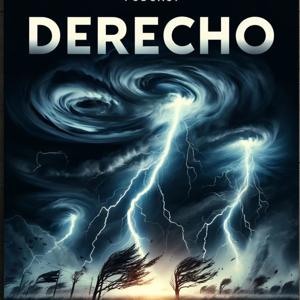
Welcome to "Derecho," the podcast where we delve deep into the awe-inspiring and often destructive weather phenomenon known as a derecho. Join us as we explore the science behind these powerful storms, their impact on communities, and the thrilling stories of those who have experienced them firsthand. Whether you're a weather enthusiast or just curious about the forces of nature, "Derecho" offers insightful discussions with meteorologists, climate scientists, and storm chasers who bring you closer to the heart of these incredible weather events. Tune in to understand the dynamics of derechos and their significance in the world of extreme weather.