Derecho

Derecho

By Inception Point AIScience
Download on the App Store

Derecho episodes

  • "Devastating Derecho Strikes Midwest, Spawns Record Tornadoes"
    The Midwest experienced a severe weather phenomenon that brought a significant number of tornadoes and destructive winds to the region this past Monday. The National Weather Service (NWS) confirmed that the Chicago area was notably affected, with a total of 22 tornadoes identified, a number that matches the regional record for a single outbreak.
    A derecho, the storm system responsible for the havoc, is a widespread, long-lived windstorm that is associated with a band other rapid-moving showers or thunderstorms. While a derecho can produce destruction similar to that of a tornado, the damage typically extends in a straight path, hence the term “straight-line wind damage.”
    Derechos are characterized by gusts reaching hurricane strength and can cause significant damage paths extending for hundreds of miles. They are most common in the Corn Belt across the northern United States during the summer months, when instability and wind shear are conducive to their development.
    Such storm systems pose serious risks to communities due to their rapid movement and broad impact area. This particular derecho event resembled one from the past that had the regional record of 72 tornadoes back in April 2020, though only the 22 tornadoes were confirmed in this instance, tying another previous record.
    Each tornado brings not only the risk of significant property damage but also threats to life and personal safety. In towns and cities affected, the full scale of damage ranged from downed power lines and destroyed homes to overturned vehicles and uprooted trees, affecting thousands of residents. Recovery from such events often involves substantial cost and effort, as illustrated by reports of homeowners struggling to cover the expenses related to storm damage and repairs.
    The NWS plays a crucial role in tracking these weather events, issuing timely warnings, and confirming tornado occurrences through damage assessments post-event. These efforts are critical for community preparedness and response, helping to mitigate the impact of such severe weather phenomena on populated areas.
    Moreover, the increased frequency and intensity of such weather events underline the broader impacts of climate change, which include not only heightened temperatures but also more severe and less predictable weather systems. Research and monitoring are continuous as meteorologists and climate scientists work to understand these patterns better and work towards improving forecasting models for future preparedness and safety.
    The recent derecho is a stark reminder of the power of nature and the importance of timely meteorological insight and community readiness. It also shines light on the resilience and challenges faced by individuals and communities as they recover and rebuild in the aftermath of such destructive events.
    This content was created in partnership and with the help of Artificial Intelligence AI.
    3 min
  • Derecho Hits Midwest, Illinois Farmer Escapes Major Crop Damage
    A derecho, a powerful and fairly rare weather phenomenon characterized by a long line of intense, widespread, and fast-moving windstorm, has recently made its impact felt across several parts of the United States, including North Central Illinois, Iowa, and upstate New York. Despite its potential for significant damage, it appears there's a silver lining for some, particularly in the agricultural sector of Illinois.
    Central Illinois farmer Chris Stoller, operating in northern McLean County, reported that his crops have emerged mostly unscathed following this week's derecho. This news is a sliver of relief amidst generally troubling weather events. Stoller’s experience underscores a key aspect of agricultural resilience in the face of unpredictable climatic patterns. The survival of crops through such severe weather conditions highlights the robustness of the agricultural practices employed, the possible geographical advantages of his farming location, or a blend of both.
    Meanwhile, adjacent states weren't as fortunate. In Iowa, for example, the derecho's passage was severe enough that Governor Reynolds issued a disaster proclamation for five counties. This governmental move was in response to the widespread devastation which likely includes damage to homes, infrastructure, and also agriculture. In such cases, federal assistance, including temporary housing aid, becomes crucial for recovery and illustrates the varied impacts of derechos depending on location and preparedness.
    Across a broader geographical footprint encompassing upstate New York and parts of the Midwest, severe storms have tragically resulted in at least three fatalities. This calamitous outcome marks a stark contrast to the minimal agricultural damage reported in Illinois. The National Weather Service confirmed that these storms spawned as many as 11 tornadoes, revealing the intense and dangerous nature of the weather system involved.
    The derecho, with its high-speed winds and rapid spread, creates a scenario where vast areas can be affected suddenly and with little warning. The aftermath can vary dramatically - from minimal impact to severe destruction. This heterogeneity in impact underscores the importance of diverse and robust disaster preparedness and response strategies across different regions.
    For agricultural stakeholders like Stoller in Illinois, a fortunate escape from major loss this time does not diminish the importance of preparedness for future events. It is a reminder of the precarious balance between thriving agricultural practices and the whims of nature. For policymakers and emergency management officials, the recent events are a cue to reassess and reinforce disaster response strategies and infrastructure resilience to withstand future derechos and other natural disasters.
    Overall, the occurrence of a derecho brings to light the critical need for comprehensive weather forecasting, timely communication, and strategic planning to mitigate the adverse effect
    This content was created in partnership and with the help of Artificial Intelligence AI.
    4 min
  • Powerful Derecho Storm Causes Widespread Damage Across Regions
    A derecho, a powerful and typically extensive storm system characterized by its straight-line winds, caused significant impact across several regions recently. Originating as a line of intense storms, the event has shown the characteristics that meteorologists associate with derechos, including a prolonged duration and a wide path of damage.
    The term "derecho" is derived from the Spanish word meaning "direct" or "straight ahead". Unlike a tornado with its localized and rotating winds, a derecho drives a mass of cold air outward in a straight line. As it rushes forward, the storm can grow in power and size, feeding on the horizontal temperature and wind shear differences in the atmosphere.
    In the recent event, derecho winds forcefully toppled trees, disrupting life in communities such as Rockford. The immediate effects were not just limited to fallen trees but also included significant power outages. Such widespread utility interruptions typically complicate recovery efforts, affecting everything from residential comfort to traffic systems and emergency responses.
    Tree removal services quickly became focal points of recovery efforts in the affected areas, including Eastern Iowa. Clean-up operations following a derecho can be extensive, often requiring the coordination of local government resources, private contractors, and community efforts. The intensity of the storm's impact tends to determine the duration of the recovery period.
    The aftermath of a derecho is not limited to physical and immediate economic disruptions; it also poses significant environmental challenges. The downing of large numbers of trees can impact local ecosystems, potentially altering habitats and affecting local wildlife populations. Moreover, the sudden accumulation of fallen trees and debris can pose additional hazards, particularly in urban areas where they might obstruct roadways or damage structures.
    Given the increased frequency and intensity of extreme weather events, understanding derechos and their impacts is critical. Communities and regions prone to such phenomena might need to consider strengthening infrastructure and improving emergency response strategies. By examining historical data and patterns associated with these powerful storms, meteorologists and climate scientists continue to refine their predictions and advisories, aiming to mitigate the potential damage through timely and accurate forecasts.
    Overall, the presence of a derecho highlights the broader challenges posed by severe weather in the era of climate change, underscoring the importance of preparedness and resilient infrastructure to handle such extreme events efficiently and effectively.
    This content was created in partnership and with the help of Artificial Intelligence AI.
    3 min
  • Powerful Derechos Pose Widespread Threat, Warn Meteorologists
    A derecho is an intense, widespread, and fast-moving windstorm associated with a band of rapidly moving showers or thunderstorms. Although a derecho can produce destruction similar to that of a tornado, the damage typically follows straight lines along the storm path rather than the twisting or swirling pattern ascribed to tornadoes.
    The term "derecho" comes from the Spanish word meaning "direct" or "straight ahead." This kind of storm typically occurs in the United States during the warmer months, particularly between May and August. It has been known to occur in other regions and seasons but is considerably rarer.
    The formation of a derecho requires specific atmospheric conditions. These include a large reservoir of warm and humid air at lower levels, which can fuel the thunderstorms, and a strong jet stream aloft. Additionally, areas that produce derechos often have convective systems, known as Mesoscale Convective Systems (MCS), that are capable of maintaining their strength over a long distance and duration.
    For a series of storms to be classified as a derecho, the swath of wind damage must extend for more than 250 miles, and numerous wind gusts should reach at least 58 miles per hour. Some derechos have produced winds exceeding 100 miles per hour, which can result in significant damage to structures, trees, and power lines, often over a wide area.
    Meteorologist Matthew Cappucci's report of a derecho approaching Chicago highlights the severe nature of these events. Wind speeds like 97 mph in Holy Cross, Iowa, and 93 mph in Lena, Illinois, depict the powerful force of the storm's impact. Such high wind speeds can lead to extensive property damage, uproot trees, and even turn airborne debris into dangerous projectiles.
    Derechos are particularly dangerous due to their rapid onset and wide-reaching impact. They often catch regions unprepared, resulting in potentially devastating consequences for those who do not seek proper shelter. Widespread power outages and blocked roads can hamper emergency and recovery efforts, complicating the aftermath of the storm.
    Moreover, with changing climate conditions, researchers are examining the patterns and frequency of severe weather events, including derechos. Understanding their formation, behavior, and potential changes in their occurrence are vital for improving weather predictions and preparedness strategies. In addition to local weather warnings, areas typically prone to such patterns are advised to have robust emergency plans in place to mitigate the impact of these powerful storms.
    This content was created in partnership and with the help of Artificial Intelligence AI.

    3 min
  • "Passionate Fans, High-Stakes Games: Intensity Rules Sports Landscape"
    In the world of sports, the interaction between fans, athletes, and the dynamics of each game can be intense and full of expectation. This was evident in two separate instances involving the football club León and star football player Lionel. León failed to secure their first victory in the Apertura 2024 despite having a lead and eventually drawing 1-1 against Pachuca. This scenario highlights the pressures teams face and how crucial fan expectations can become, especially when opportunities to secure a win are squandered. Jorge Bava, a figure associated with the team, aptly noted that "the fans have the right to demand" better performances, a sentiment that underscores the emotional investments fans make and the accountability expected from the teams they support.
    On another note, during a critical moment at the finale of the Copa America, Lionel Messi, a prominent figure in international football, sustained an injury that was cause for concern not only for his team but fans worldwide. Messi experienced a significant blow to his right ankle just before the halftime break, a moment that undoubtedly caused a stir amongst spectators and the team's medical staff who attended to him immediately. This incident not only highlights the physical risks athletes take in pursuit of victory but also illustrates the palpable tension during high-stake matches where the performance of key players can drastically influence the game's outcome.
    These incidents within the sports arena reflect not only the physical challenges athletes regularly face but also the psychological and emotional rollercoaster that fans experience. In competitive sports, every play and every game can swing the emotions of thousands, from elation to despair, underscoring the deep connection between the athletes and their supporters. This connection is a fundamental aspect of sports that enriches the experience, adding layers of drama and excitement to every match.
    This content was created in partnership and with the help of Artificial Intelligence AI.
    3 min
  • Flick Targets Cancelo and Koundé to Bolster Defense
    En el dinámico mundo del fútbol, la búsqueda de jugadores que puedan fortalecer determinadas posiciones en el campo es constante. Este parece ser el caso del técnico alemán Hansi Flick, que actualmente tiene puesto el ojo en João Cancelo para ocupar el lateral derecho, una decisión que responde a la necesidad de solidificar la defensa de su equipo. Cancelo, conocido por su versatilidad y habilidades tanto defensivas como ofensivas, se perfila como una opción ideal para Flick, quien busca jugadores técnicamente adeptos y con gran capacidad de adaptación.
    Sin embargo, no todos los planes de fichajes son directos, y parece que Flick también considera a Jules Koundé como una posible opción para esta posición. Koundé, quien principalmente se desempeña como central, tiene habilidades que le permiten jugar cómodamente en el lateral derecho. Su solidez defensiva, combinada con su habilidad para participar en el juego aéreo y su rapidez, lo convierten en un candidato viable. Esta flexibilidad en las posiciones podría ser crucial para adaptarse a diferentes tácticas y formaciones a lo largo de la temporada.
    Por otro lado, en temas de leyes de finanzas de consumo en España, hay un interesante desarrollo referente al enriquecimiento injustificado. La obra dirigida por Pedro del Olmo García se sumerge en este tópico abordando su historia, el derecho comparado y las propuestas de modernización. Este análisis legal es fundamental para entender cómo tales leyes afectan tanto a consumidores como a instituciones financieras, y cómo podrían evolucionar para reflejar mejor las prácticas y necesidades contemporáneas.
    En otro ámbito del deporte, Frenkie de Jong recientemente ha mostrado signos visibles de frustración. Imágenes de su tobillo derecho durante un control médico, específicamente mientras estaba en una postura que indicaba disgusto o dolor, han generado especulaciones y preocupaciones sobre su estado físico y mental. La capacidad de De Jong para mantenerse en óptimas condiciones es crucial para su rendimiento en el campo, y estas imágenes han puesto en alerta tanto a aficionados como a especialistas, subrayando la presión y las demandas físicas a las que los atletas están sometidos, así como la importancia de un manejo adecuado de su bienestar físico.
    Cada uno de estos aspectos destaca la complejidad y riqueza del fútbol y el derecho. Desde decisiones tácticas y fichajes hasta las implicaciones legales y la salud de los jugadores, todos estos elementos se entrelazan para dar forma a la gestión moderna del deporte y la regulación.
    This content was created in partnership and with the help of Artificial Intelligence AI.
    3 min
  • "Derechos: The Powerful, Destructive Storms Rivaling Hurricanes and Tornadoes"
    A derecho, a term less familiar in the public lexicon compared to hurricanes or tornados, is a powerful weather phenomenon characterized by a line of intense, widespread, and fast-moving windstorms associated with a band of rapidly moving showers or thunderstorms. Although the word “derecho” comes from the Spanish adjective meaning “straight ahead,” in the meteorological context, it refers to the straight-line wind damage stemming from these intense storms, distinguishing them from the more twisting wind patterns of tornadoes.
    Derechos are significant meteorological events that can cause widespread destruction equivalent to that of tornadoes and hurricanes. They have been particularly notable in parts of the United States, where the topography and climatic conditions are conducive to their development. The storms can generate winds of hurricane force, leading to substantial damage to towns and cities in their path. They often result in downed trees, power outages, and structural damage.
    The mention of derecho-related debris in Houston highlights the severity and aftereffects of such storms. Removing the debris from derechos can be an extensive and time-consuming process, often taking weeks to fully clear. This can delay recovery efforts in affected areas, exacerbate existing logistical challenges, and significantly impact local communities. The need for repeated clearance efforts, as noted with the persistence of debris from previous events, underscores the substantial impact and lasting aftermath of these powerful storm systems.
    Moreover, the recurrence of derechos can place an increased burden on local authorities and disaster relief services, including the Federal Emergency Management Agency (FEMA). Residents having to navigate the FEMA aid application process once again due to repeated extreme weather events indicates a broader systemic challenge relating to disaster preparedness, response, infrastructure resilience, and community recovery.
    The repeated strikes by such weather events elucidate emerging concerns over changing weather patterns and potentially increasing frequency and intensity of severe weather events due to climate change. This calls for enhanced meteorological predictions, better preparedness measures, improved infrastructure, and more robust recovery plans to handle the impact of such extreme weather phenomena.
    Overall, the phenomenon of derechos, although less common than other storm systems, represents a critical component of weather-related disasters, prompting necessary discussions and actions pertaining to environmental management, disaster readiness, and public safety protocols. The long-term debris management and repeated federal aid applications seen in places like Houston illuminate the broader implications of such potent storms on urban planning, emergency management, and community resilience.
    This content was created in partnership and with the help of Artificial Intelligence AI.

    3 min
  • Destructive Derechos: Iowa Tackles Storm Damage and Community Restoration
    A derecho, a widespread and usually fast-moving straight-line windstorm, can cause significant damage to communities, akin to the devastation often associated with tornadoes. The term "derecho" derives from a Spanish word which can mean "straight ahead" or "right," referring to the storm's path. Derechos are characterized by intense, straight winds which can flatten landscapes, damage buildings, and wreak havoc on power lines and vegetation.
    In response to the considerable damage wrought by such storms, the Iowa Legislature appropriated funds to aid impacted communities, particularly in tree restoration efforts. This initiative, managed by the Iowa Department of Natural Resources (DNR), exemplifies proactive steps governments can take to assist in recovery and ecological restoration after natural disasters. The derecho that struck the Keokuk area, for instance, left extensive damage that required months of cleanup, underlining the importance of such funds in speeding local recovery and restoring community green spaces.
    In addition to the physical damage, derechos can also create lasting sound issues, which might explain efforts like those by the Iowa DOT to gauge public opinion on the potential erection of sound barriers. Such barriers can help mitigate noise pollution, a less visible but impactful form of environmental degradation that often increases after natural disturbances due to altered landscapes and cleanup operations.
    While derechos deal with a meteorological phenomenon, the term also arises in a completely different context—human rights, specifically pertaining to the right to abortion, as highlighted by demonstrations in New York by Dominicans. This usage relates to "derecho" in its sense of "rights" in Spanish, showcasing the word's varied implications both meteorologically and socially.
    Understanding the versatile implications of "derecho" provides insight into both how communities recover from severe weather events and how individuals advocate for socio-political issues. The allocation of tree planting funds in Iowa represents a practical approach to environmental and communal recovery, while public protests in New York symbolize ongoing global dialogues about human rights and individual freedoms. This dual use of the term highlights the diverse challenges and adaptations faced by societies globally.
    This content was created in partnership and with the help of Artificial Intelligence AI.

    3 min
  • New Director General Appointed at Reporters Without Borders to Defend Press Freedom Worldwide
    Reporteros Sin Fronteras, una de las organizaciones líderes en la defensa de la libertad de prensa, ha designado a Thibaut Bruttin como su nuevo Director General. Este cambio en la dirección refleja la continua dedicación de la organización para proteger el derecho fundamental a la información en todo el mundo, un principio enfatizado por el presidente de la organización, Pierre Haski. La misión de Reporteros Sin Fronteras es especialmente crítica en un momento en que tanto los periodistas como la circulación libre de información enfrentan crecientes amenazas en varios estados autoritarios y incluso en democracias que se han vuelto hostiles hacia la prensa.
    En el ámbito deportivo, Frenkie de Jong, destacado jugador del Barcelona y de la selección nacional de los Países Bajos, vuelve a estar en el foco debido a problemas recurrentes con su tobillo derecho, lesión que también le impidió participar en la reciente Eurocopa. Este tipo de lesiones plantea preocupaciones sobre la preparación física y el manejo de jugadores en el calendario deportivo cada vez más exigente del fútbol moderno.
    Por otro lado, los venezolanos en el exterior enfrentan barreras significativas en el ejercicio de su derecho a votar. Estas dificultades son una muestra de las complicaciones y la burocracia que a menudo intervienen en el proceso electoral para los diásporas, afectando su capacidad para influir en los cambios políticos de su país de origen. Este problema no solo pone en cuestión la eficacia y la justicia de los procesos electorales, sino que también destaca las brechas en la protección de los derechos humanos de los venezolanos, tanto dentro como fuera de sus fronteras.
    Cada uno de estos casos demuestra la necesidad urgente y continua de proteger los derechos humanos y civiles. Desde la libertad de prensa hasta el derecho a participar democráticamente en las elecciones del propio país, los desafíos son numerosos pero cruciales para la integridad y el progreso de las sociedades globales. La labor de instituciones como Reporteros Sin Fronteras y la conciencia general sobre estos asuntos son fundamentales para asegurar que estos derechos no solo sean reconocidos, sino respetados y facilitados a nivel mundial.
    This content was created in partnership and with the help of Artificial Intelligence AI.
    3 min
  • "Houston Grapples with Compounding Natural Disasters, Straining Infrastructure and Finances"
    In recent months, the city of Houston has faced severe weather challenges, including a sharp and severe storm called a derecho followed by the devastation of Hurricane Beryl. The combination of these events has accelerated pre-existing infrastructure issues, particularly affecting the electrical grid managed by CenterPoint Energy. The financial burden of repairs from the derecho alone is projected to reach up to $475 million, emphasizing the immense impact of these natural disasters on local utilities.
    A derecho is a widespread and usually fast-moving straight-line windstorm that is associated with bands of rapidly moving showers or thunderstorms. Although less known than hurricanes or tornadoes, derechos can cause comparable, if not more extensive, damage because they cover a broader area and can feature extremely high wind speeds. In May, Houston experienced such an event which not only damaged homes but extensively impacted the electrical grid, causing prolonged outages and disruptions.
    Following closely on the heels of the derecho, Hurricane Beryl swept through, compounding the hardships faced by residents and emergency services. Among the personal stories emerging from these events was of a Houston resident who, after replacing a roof damaged by the May derecho, suffered further misfortune when Beryl resulted in a tree crashing into her newly repaired home. This incident underscores the repeated blows dealt by extreme weather to individuals within the community, highlighting issues of building resilience and insurance in areas prone to such events.
    The transition of Federal Emergency Management Agency (FEMA) resources from dealing with the aftermath of the derecho to addressing the damages caused by Hurricane Beryl was reportedly smooth. This was due to their continued presence in the area, which facilitated a faster and more coordinated response. However, there continues to be a pronounced need for systemic improvements to better prepare for and respond to the growing frequency and intensity of extreme weather events.
    The scale of damage and the costly repairs required in Houston show the broader implications of climate change and how it can influence local economies, municipal services, and personal lives. For utilities like CenterPoint Energy, there is a growing urgency to fortify the electrical grid against future storms to prevent such high costs and widespread disruptions. Investments in infrastructure resilience not only concern preventative measures but also revolve around urban planning, community preparedness, and responsive disaster management strategies.
    As Houston recovers from these setbacks and braces for potential future events, the conversation around infrastructure resilience and climate adaptation continues to gain importance, drawing attention from policymakers, businesses, and citizens alike. These events act as a stark reminder of the ever-present need for vigilance and preparedaintenance in the face of an unpredic
    This content was created in partnership and with the help of Artificial Intelligence AI.
    4 min

About Derecho

From the publisher's feed

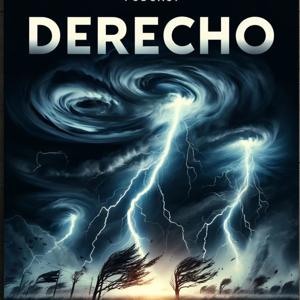
Welcome to "Derecho," the podcast where we delve deep into the awe-inspiring and often destructive weather phenomenon known as a derecho. Join us as we explore the science behind these powerful storms, their impact on communities, and the thrilling stories of those who have experienced them firsthand. Whether you're a weather enthusiast or just curious about the forces of nature, "Derecho" offers insightful discussions with meteorologists, climate scientists, and storm chasers who bring you closer to the heart of these incredible weather events. Tune in to understand the dynamics of derechos and their significance in the world of extreme weather.