
Sign up to save your podcasts
Or

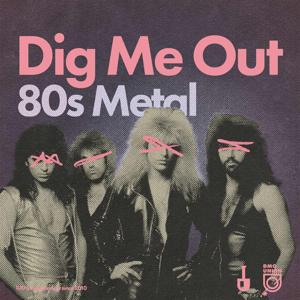


Death’s Scream Bloody Gore: The Album That Birthed Death Metal
What happens when a 19-year-old horror movie fanatic from Florida decides to create the heaviest music imaginable? You get Scream Bloody Gore, the 1987 debut that didn’t just launch Death’s career—it created an entire genre. This is the album that made death metal official, complete with the perfect band name to match.
In this episode, hosts Jay, Tim, and Chip dive deep into Chuck Schuldiner’s groundbreaking vision that transformed from rejected Florida demos to a Billboard-charting phenomenon. They explore how Combat Records took a massive gamble on this unknown teenager, the recording disasters that led to the album being tracked twice, and why Florida became the unlikely epicenter of extreme metal. The discussion reveals surprising musicality beneath the brutality, from melodic guitar solos to dynamic drumming that defies the “wall of noise” stereotype.
The hosts candidly share their first impressions as death metal newcomers, debating everything from Chuck’s surprisingly varied vocal approach to the album’s timeless production quality. They unpack the horror movie-inspired lyrics, the influence of Black Sabbath and Kiss, and how this 37-minute assault influenced countless bands while spawning an entire ecosystem of subgenres.
If you’re fascinated by metal history, the origins of extreme music, or how teenage vision can reshape entire genres, this deep dive into death metal’s ground zero is essential listening. Fans of early Metallica, Slayer, Possessed, and the broader Combat Records roster will find plenty to sink their teeth into.
Episode Highlights:
0:00 – Introduction – Poll results and first impressions of death metal’s founding album
5:18 – Album Background – Chuck Schuldiner’s journey from demos to Combat Records deal
6:32 – Recording Chaos – The Florida studio disaster and California re-recording
10:39 – Listener Comments – Community insights on death metal’s Florida origins
14:45 – Death Metal Subgenres – From brutal death to porno grind (seriously)
17:21 – What Works – Surprising musicality, guitar solos, and vocal range
25:04 – Timeless Influence – How the album sounds as relevant today as in 1987
35:24 – What Doesn’t Work – Double-time limitations and production challenges
41:53 – Lyrical Analysis – Horror movie themes and teenage songwriting
50:16 – Chart Success – How death metal hit Billboard #174 without radio play
54:38 – Final Verdicts – Worthy album or essential EP?
Ready to explore the brutal brilliance that started it all? Subscribe to Dig Me Out for more deep dives into the albums that changed music history. Join the Metal Union at digmeoutpodcast.com for bonus episodes, exclusive content, and access to our private Discord community. Visit dmounion.com to vote on future episodes and suggest your favorite underground classics.
Ready for a cosmic discovery? Imagine if members of Deep Purple, Iron Butterfly, and Johnny Winter’s bands joined forces for one brief, blazing psychedelic trip—left behind in the dusty bins of 1970s rock. That’s Captain Beyond: a cult supergroup whose self-titled debut LP isn’t just underrated, but a secret handshake among true riff obsessives, stoner rock aficionados, and prog heads alike.
In this episode, the Dig Me Out crew dives deep into Captain Beyond’s 1972 debut, unpacking how a band with pedigree and ambition—yet dogged by legal drama and label confusion—could create an album both seamless and strange, with songs flowing together in widescreen, time-shifting suites. Hear wild stories about Rod Evans’ post-Purple exile, the musical chemistry born in a Sunset Boulevard rehearsal room, and the band’s mind-melting blend of proto-metal, jazz fusion, and space rock.
The talk turns to why Captain Beyond has influenced bands from Kyuss to Monster Magnet without ever grabbing mainstream fame. The panel debates whether the record’s genre-melting ambition is a blessing or a hidden barrier, calls out riffs and grooves that predate entire subgenres, and explores which tracks land hardest five decades later. If you love the restless invention of early Yes, the cosmic attack of Monster Magnet, or the boundary-pushing jams of Sabbath and Santana, don’t skip this one.
Episode Highlights
0:00 – “Dancing Madly Backwards (On a Sea of Air)” intro – Meet the unsung supergroup and hear how their debut warped the hard rock rulebook.
6:38 – Backstory & Band Drama – Lost contracts, missing songwriting credits, and the 48-hour recording sprint that captured lightning.
15:24 – Genre-Bending Sound – Jazz, prog, heavy grooves, and psychedelia swirl in tracks like “Mesmerization Eclipse” and “Raging River of Fear.”
30:05 – Rod Evans: Rock’s Mystery Man – How the Deep Purple frontman vanished from music after giving this band their haunting voice.
39:52 – Suite-Like Structure – Why this album flows more like a trip than a collection of songs.
47:20 – Legacy & Influence – From stoner rock to modern prog, Captain Beyond’s fingerprints are everywhere—if you know where to listen.
55:13 – “I Can’t Feel Nothin’” – The finale of the album: relentless, relentless, relentless.
Ready to blast off? Hit play, subscribe, and join our community for passionate discussion and wild album picks at digmeoutpodcast.com and dmounion.com. Rediscover lost classics, debate the classics, and help shape the next rock deep dive. Don’t let this cult gem slip beyond—your ears deserve the trip
What happens when Poison’s fire-brand drummer trades stadium pyrotechnics for scrappy club gigs, hand-picks BulletBoys shredder Mick Sweda, and dares to mash up Duran Duran with T. Rex? Meet Rikki Rockett’s Rocket Mafia—the “anti-cover-band” cover band that’s rewriting the rules of ’80s metal nostalgia while plotting its own originals.
Rikki Rockett—fresh off the Stadium Tour and revved up by motorcycle charity gigs—drops in to reveal how Rocket Mafia started as a one-off set for the Distinguished Gentleman’s Ride and snowballed into a high-octane passion project.
- Origin story: from Taylor Hawkins’ Chevy Metal fill-in to a permanent lineup with vocalist Brandon Gibbs and bassist Brian B.
- Set-list philosophy: ditch “War Pigs” for Billy Squier’s “Everybody Wants You” and a bang-up “Hungry Like the Wolf/Bang a Gong” mash-up.
- Inside the drummer’s mind: the magic (and headaches) of fly-in dates, building an erector-set drum kit nightly, and why ghost notes were banned on early Poison records.
- Family, books & the paranormal: taxi-dad life, upcoming memoir Ghost Notes, and chasing spirits between tour runs.
- The great “original-lineup” debate: Rockett’s candid take on legacy bands, Foreigner’s rotating cast, and keeping Poison intact.
If you crave the swagger of Motley Crüe but dig the left-field song choices of Chevy Metal—or if you’ve ever argued over whether replacement players can capture a band’s soul—this conversation hits your sweet spot. Think glam-metal bravado meets garage-band curiosity; fans of Def Leppard, Cheap Trick, or even Duran Duran will feel right at home.
⏰ Episode Highlights
0:00 – Theme riff & Welcome – How Dig Me Out keeps ’80s metal alive, plus Patreon shout-outs
5:12 – The SmartLess-style guest tease – Chip nearly pulls off a Ricky Rockett surprise
11:45 – Interview starts – Late-start school runs and why soundchecks are secret weapons
22:10 – From charity gig to Rocket Mafia – The birth of an “anti-cover” philosophy
28:55 – Mick Sweda joins – Tone over whammy bars and the art of serving the song
34:08 – Taxi-dad confessions – Balancing teenage schedules with tour life
36:28 – “Ghost Notes” preview – Banned drum licks, paranormal rabbit holes, true-crime obsessions
39:54 – Legendary tour manager Bob Dates – Tour-bus rescues & backstage chaos
42:10 – Poison in-store brawl flashback – Chasing hecklers through record shops
53:30 – Outro jam – How Rocket Mafia plans to weaponize deep-cut Poison tracks
Loved the peek behind the spandex curtain?
Subscribe now on your favorite pod-player so you never miss an episode.
Dig deeper into every season of alternative & hard-rock history at digmeoutpodcast.com.
Rate, review, and share—because the riff revolution needs you.
Ever wonder why 80s glam metal still packs out tribute nights and sparks passionate debates decades later? This week on Dig Me Out, we’re throwing on the leather, cranking the Aquanet, and diving into the wild, hook-filled world of 80s Glam Metal—the scene that turned the Sunset Strip into rock’s most outrageous runway and gave us anthems for every party, heartbreak, and hair-flip in between.
From the genre’s glitter-soaked roots to its neon-tinted MTV heyday and eventual fall from grace, our roundtable takes on the big questions: What truly defines glam metal? Why did it explode—and then burn out—in such spectacular fashion? And which albums still deserve a spot in your rotation, even if you’ve sworn off spandex for good? With special guests James Barber (curator of the definitive “Young & Wild: A Decade of American Glam Metal” box set) and Alex Williams (outlaw country artist reimagining 80s metal classics), we dig deep into the music, the image, and the legacy of a genre that’s as much about attitude as it is about riffs.
If you love the infectious hooks of Poison, the streetwise grit of Cinderella, or the genre-bending spirit of bands like Mother Love Bone and Faster Pussycat—or if you’ve ever debated whether “hair metal” is a badge of honor or a press-invented slur—this episode is for you. We connect the dots from glam’s 70s origins to its 80s explosion, and even trace its DNA into modern pop country and arena rock. Think of it as a crash course in everything that made—and unmade—one of rock’s most colorful eras.
Episode Highlights
0:00 – [Intro] – The glam metal mission statement: why this scene still matters
5:12 – [Meet the Guests] – James Barber on assembling the “Young & Wild” box set; Alex Williams on turning glam anthems into outlaw country
21:00 – [Defining the Sound] – What separates glam metal from hard rock and thrash? Big hooks, big hair, and even bigger choruses
40:39 – [Essential Albums] – Panel picks: Cinderella’s Night Songs, Faster Pussycat’s debut, Poison’s Open Up and Say… Ahh!, and more
51:05 – [Party Rock Vibes] – Why glam metal shows felt like the ultimate communal party—and how that vanished in the 90s
57:02 – [The Downfall] – Power ballads, industry formulas, and the grunge wave: what really killed glam metal?
1:06:10 – [Deep Cuts & Hidden Gems] – The records and songs that still surprise, from Electric Angels to Junkyard
1:20:00 – [Modern Legacy] – Where does glam metal live on today? From Ghost’s arena theatrics to pop country’s party anthems
1:35:11 – [Outro & Plugs] – James and Alex share their latest projects, and the hosts reflect on glam’s enduring influence
Ready to relive the excess, the anthems, and the eyeliner?Subscribe to Dig Me Out for more deep-dive episodes, bonus content, and a community of fellow rock obsessives. Drop your hot takes, suggest your favorite under-the-radar glam album, and join the conversation at digmeoutpodcast.com and dmounion.com.Let’s settle the debate—was glam metal ever just about the hair, or was there always something deeper under all that glitter?
The Riffs, the Ruin, and the Rise of Thrash
What do you get when two broke metalheads with a single bass and guitar channel their chaos into one of thrash metal’s most iconic records? In 1986, Peace Sells... but Who’s Buying? marked Megadeth’s leap from Combat Records obscurity to Capitol-backed cult status. This episode of Dig Me Out unpacks how a band teetering on collapse crafted a cornerstone of ‘80s metal.
We dig into the album’s razor-sharp riffs, jazz-influenced drumming, and Dave Mustaine’s snarky lyrical persona. From iconic MTV News basslines to heroin-fueled studio disappearances, this conversation covers the weird, wild, and weirdly disciplined story behind Peace Sells. We also explore how this record stood apart from Metallica’s Master of Puppets and Slayer’s Reign in Blood in the golden year of thrash.
If you ever wore out your cassette copy on a Walkman, argued over Vic Rattlehead art, or caught the Peace Sells video on Headbanger’s Ball—this one’s for you.
Episode Highlights• 0:00 – Wake Up Dead – Setting the tone: MTV, couch-surfing, and one guitar• 5:12 – Peace Sells – The bassline heard round the world and Mustaine’s sarcastic snarl• 11:25 – Devil’s Island – How Megadeth twisted groove and speed into something new• 17:45 – The album’s strange second half – Covers, filler, and why “My Last Words” redeems it• 22:30 – Black Friday lore – occult inspiration, lost drummers, and high school memories• 29:00 – Mustaine’s voice and vision – divisive, theatrical, and always unpredictable• 34:20 – How this fits into 1986 – Megadeth vs Metallica vs Slayer, and what made Peace Sells distinct• 42:00 – Final verdict – Is Peace Sells... but Who’s Buying? essential? Listen in and find out
Subscribe to Dig Me Out and be part of the Metal Union—where deep cuts, spirited debates, and forgotten classics are always on the table.
🎧 digmeoutpodcast.com
The Glam Album That’s Actually Power Pop Gold: Enuff Z’Nuff’s Dazzling 1989 Debut
You’ve seen the neon. You’ve heard the name. But have you listened? Enuff Z’Nuff’s self-titled 1989 debut is a glittering paradox: glam on the outside, power pop on the inside. Packed with lush harmonies, Beatlesque melodies, and MTV-ready swagger, it was a record caught between worlds—and in this episode, we unpack every hook, story, and squealing solo.
We dig into why this record, released in the chaos of late-’80s rock, still feels so timeless. From the genre-defying sound to the band’s rollercoaster history, we explore what makes Enuff Z’Nuff an underdog classic that not only beat Iron Maiden in a fan vote, but continues to inspire debate decades later.
If you’re into Cheap Trick, Jellyfish, The Posies, or even early Oasis, this one’s for you. It’s glam with heart. Pop with punch. And a whole lot of sequins.
🕰 Episode Highlights:
0:00 – Intro song – Setting the scene: 1989’s crowded rock landscape
5:12 – Flash and feel – Why the band’s look distracted from their sound
12:45 – “New Thing” – The opener that blends Beatles melodies with Sunset Strip flash
21:33 – “Fly High Michelle” – A ballad that’s more tender than its glam peers
32:50 – Genre mismatch – Is this glam, power pop, or something else entirely?
44:10 – Legacy and lore – The Madonna story, lineup chaos, and the band’s Midwest loyalty
58:20 – Final verdicts – How the record holds up and why it still resonates
💬 Liked the episode? Want more deep dives into underrated rock gems?Subscribe and share the podcast, and visit our community at digmeoutpodcast.com to support the show, explore archives, and join fellow music obsessives.
Before grunge wiped off the makeup and mainstream critics dismissed theatrical metal as style over substance, Lizzy Borden dropped one of the most ambitious—and overlooked—albums of the 1980s. Released in 1989, Master of Disguiseblended glam metal, power ballads, orchestral flourishes, and horror-movie aesthetics into a concept record that was equal parts rock opera and emotional purge.
In this episode, we dig deep into how Master of Disguise pushed past genre expectations and created a space where the freaks, misfits, and dreamers could feel seen. From its reported inspiration from The Lost Boys to its cinematic flourishes (yes, there’s a harp solo), this is more than a metal album—it’s an outsider anthem dressed in velvet and menace.
We talk about the band’s theatrical evolution, the emotional undercurrents buried beneath the makeup, and how this album fits into the lineage of concept records by artists like Alice Cooper, Queensrÿche, and Iron Maiden. If you’re into Operation: Mindcrime, Welcome to My Nightmare, or The Crimson Idol, you’ll want to listen all the way through.
🎧 Episode Highlights:
• 0:00 – [Intro] – A dramatic beginning: setting the stage for Lizzy Borden’s forgotten epic• 5:12 – Theatrical Metal as Catharsis – What glam and concept albums gave us that grunge never could• 12:34 – “Be One of Us” – How this eerie anthem channels The Lost Boys and vampire glam mythology• 18:50 – Production & Personnel – Horns, strings, and harp: the unexpected elements that elevate the album• 25:47 – Lizzy’s Vocal Personas – The shapeshifting voice that channels Dickinson, Rose, and Bowie• 33:02 – “Waiting in the Wings” – Vulnerability behind the mask in one of the album’s emotional standouts• 39:15 – Legacy & Influence – Why Master of Disguise deserves a seat at the concept album table• 45:20 – Final Verdicts – Is this a cult classic, a theatrical misfire, or something more complex?
💥 Subscribe and Support:Love diving deep into underappreciated and iconic rock albums? Subscribe now on your favorite podcast platform and never miss an episode.
🖥️ Visit digmeoutpodcast.com for our full archive and reviews
Before “Close My Eyes Forever” lit up the charts, before Headbanger’s Ball turned her into a fixture, Lita Ford was already a rock warrior—grinding through the scene, guitar in hand, defying expectations. In this episode, we dig into Lita(1988), the album that wasn’t just a comeback—it was a recalibration of what a woman in hard rock could sound like, look like, and fight for.
We explore how Ford’s solo career almost stalled out before a four-year gap led to her biggest moment yet. With Ozzy Osbourne on the mic, Lemmy and Nikki Sixx in the writing credits, and Sharon Osbourne pulling the strings, Lita fused glam metal polish with raw attitude. From cassette-era mall culture to late-night studio accidents that became iconic power ballads, this record is equal parts glitter and grit.
If you love Joan Jett, Pat Benatar, Vixen, or the hard-edged side of 80s metal, this episode will hit all the sweet spots.
🎙 Episode Highlights
• 0:00 – "Back to the Cave" – How the album’s opener signals Ford’s return and reinvention• 6:45 – Lita's four-year gap – What stalled her momentum and how Lita flipped the script• 13:20 – "Close My Eyes Forever" – From Ozzy jam session to iconic duet• 21:05 – Production polish vs. hard rock grit – The album’s sonic tension and pop-metal crossover• 30:10 – Nikki Sixx and the untapped pop side – A glimpse into the album that could’ve been• 37:55 – Legacy check – Why Lita still matters in the history of glam, metal, and MTV-era rock
Subscribe now and revisit the album that gave the glam metal boys a run for their Aquanet. 🎧
🎸 Explore more at digmeoutpodcast.com
What happens when a band ditches thrash just as it goes mainstream… and dives headfirst into French poetry, industrial noise, and orchestral arrangements? You get Into the Pandemonium by Celtic Frost, a boundary-shattering 1987 album that still divides, bewilders, and inspires.
In this episode, we dig deep into this genre-defying masterpiece that blurred the lines between black metal, gothic atmospheres, and avant-garde experimentation. Was it ahead of its time or just too weird to work? Either way, it’s unforgettable.
We explore the album’s fascinating backstory—from label resistance and chart failure to its underground cult status and lasting influence on extreme music. Along the way, we unpack everything from Baudelaire lyrics and Bosch album art to dive-bomb guitar solos and operatic vocals. If you’re into the darker corners of 80s metal or love when bands break all the rules, this one’s for you.
If you’re a fan of Ministry, Bauhaus, Slayer, or the experimental side of Metallica, hit play.
🔍 Episode Highlights
• 0:00 – Intro music – Why Into the Pandemonium is unlike any metal album from the 1980s• 5:57 – From Zurich to the underground – Celtic Frost’s chaotic path to cult legend status• 10:06 – Label friction – How Noise Records hated the record and refused to promote it• 14:36 – “Mexican Radio” – The controversial cover that opens the album on a strange note• 16:15 – Strings, chanting & French vocals – The bold sonic turns that confused fans• 20:01 – Thrash roots meet goth experimentation – Influences from Slayer to Baudelaire• 26:30 – What’s working: track highlights, including “Babylon Fell” and “I Won’t Dance”• 35:00 – What didn’t work: sequencing issues, divisive vocals, and industrial missteps• 44:00 – Legacy check – Why Celtic Frost influenced everyone from Napalm Death to Dave Grohl• 50:33 – Final verdicts: Is it a better EP, a classic album, or just a chaotic curiosity?
📢 Subscribe, rate, and share this episode if you love uncovering the strange, daring, and totally unforgettable corners of rock and metal history.
🎧 Dive deeper and support the show at digmeoutpodcast.com
What if one of punk rock’s most essential records wasn’t born in London or New York—but in a repressive corner of 1970s Australia? In this episode, we dive into I’m Stranded, the ferocious, lo-fi debut from Brisbane’s own The Saints—a band that burned bright before punk even knew what it was supposed to sound like.
Recorded in just two days with cranked amps, no overdubs, and a heavy dose of youth rebellion, I’m Stranded delivers raw power with surprising musical depth. The Saints weren’t copying anyone—they couldn’t. Isolated from punk’s UK and US scenes, they built something unique: a mix of garage rock swing, proto-punk energy, and rock 'n' roll heart that would go on to influence everyone from Kurt Cobain to Mark Lanegan.
This episode unpacks the album’s explosive origins, its unexpected impact overseas, and how the band’s refusal to conform—musically or stylistically—helped set a new standard for underground music. We also explore its enduring influence on punk, garage, grunge, and beyond.
If you dig bands like The Stooges, The Damned, Radio Birdman, Nirvana, or The Hives, you’ll want to hear this one.
🎧 Episode Highlights:
• 0:00 – Intro track – Setting the scene: Brisbane in the 1970s and the birth of I’m Stranded• 2:30 – Police vans, DIY labels, and “Pig City” – The political tension that fueled The Saints' sound• 6:18 – The Saints vs. punk fashion – Why the band rejected industry makeovers and stayed true to themselves• 10:44 – "(I’m) Stranded" – Dissecting the title track's sneer, groove, and timeless rage• 15:00 – “Messin’ with the Kid” – Stones vibes meet Aussie grit in a proto-grunge ballad• 20:35 – Covers and deep cuts – From Elvis to New Zealand garage rock: the Saints' unlikely influences• 25:50 – Ahead of their time – How this 1977 album sounds like it could’ve dropped in 1998• 30:45 – The Saints’ legacy – From Bob Geldof’s praise to their influence on Nirvana and Seattle’s scene
Crank it up and join us as we rediscover I’m Stranded—a chaotic, soulful, and essential artifact in punk rock history.
👂 Listen, subscribe, and explore more at digmeoutpodcast.com💬 Join the community and help pick future episodes at dmounion.com
Don’t forget to rate and review—your support helps us keep digging up the lost classics that deserve your ears.
From the publisher's feed

78,291 Listeners
1,309 Listeners

20,170 Listeners
2,334 Listeners
135 Listeners

111,831 Listeners
683 Listeners
95 Listeners

106 Listeners

15,577 Listeners

491 Listeners
29 Listeners
696 Listeners