
Sign up to save your podcasts
Or

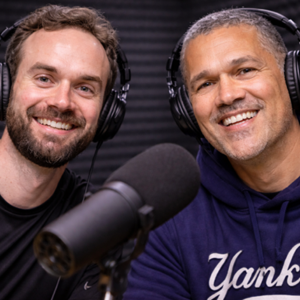


The conversation covers the pressure on the defense, the importance of asking questions, coaching and trust, dealing with failure and resilience, coaching career and impact, effective communication and leadership, pride and accomplishments, returning to coaching, coaching fulfillment and program success, parental advice and hindrances, the importance of practice, and practicing baseball scenarios. Key takeaways include the importance of communication and the role of practice in skill development. The conversation covers a wide range of coaching topics, including building positive relationships with players, using video analysis for coaching, innovative coaching techniques, learning from the best, adapting coaching methods to individual players, continuous learning and improvement, rejuvenation and rediscovery of passion, balancing coaching and personal life, creating a positive and lighthearted environment, dealing with adversity and resetting, managing emotional players, training the mind for positivity, present moment mindset in baseball, maturity and trust in coaching relationships, and trusting the process and player development.
Takeaways
Chapters
Host Dillon Cain's conversation delves into the power of visualization in baseball, the impact of movement and kinesiology, teaching young players to avoid chasing home runs, addressing physical challenges in young players, the role of movement in baseball training, preparation and movement practice, the 'aha' moment in baseball movement, and functional movement screenings for baseball players. The discussion also highlights the passion for the game of baseball.
Takeaways
Chapters
Jose Franco, author of "The Power Of Now In Baseball" and a coach with 30 years of experience shares the three-step ladder to create a winning dugout: pitchers who throw strikes, elite defense, and trust. He emphasizes the importance of high-iteration practices over game time and the significance of trust in the development of players. The focus is on building athletes through practice and iteration rather than just playing games.
Takeaways
Chapters
The conversation covers childhood memories, youth player development, parental involvement, the evolution of youth sports, growing up in different environments, the transition to professional baseball, facing MLB legends, and the impact of adversity on mental toughness in professional athletes. The conversation delves into the world of youth development in baseball, exploring the impact of coaching and mentorship on young athletes. It reflects on the journey from high school baseball to the big leagues, highlighting the importance of early achievements and the influence of work ethic. Additionally, it discusses the human side of the game, the impact of numbers in baseball, and the role of parental involvement in youth sports.
Takeaways
Chapters
The Developmental Gap podcast is a platform for discussing the mental and physical development of baseball players, featuring personal experiences and insights from the hosts. The conversation delves into the challenges and triumphs of baseball, the evolution of the game in Brooklyn, the key factors in youth baseball, and the unique approach of the podcast. It also explores the love for baseball in Texas, Puerto Rico, and New York, as well as the synergy between baseball and acting.
Takeaways
Chapters
keywords
youth baseball, coaching, self-directed learning, player development, sports psychology
summary
In this conversation, Jose Franco discusses the different types of youth baseball players, categorizing them into three distinct lanes: indifferent kids who play for fun, reactive kids who have some skill but lack initiative, and those who strive for competitive success. He emphasizes the importance of self-directed learning and taking initiative in training to achieve the best results in sports.
takeaways
There's three lanes in youth baseball: indifferent, reactive, and competitive.
Indifferent kids play for fun and social interaction.
Reactive kids have some skill but often lack initiative.
The competitive lane focuses on achieving D1 or pro baseball.
Self-directed learning is crucial for player development.
Players should take the initiative in their training.
Effort in training should be a small percentage of overall work.
Recognizing which lane you're in helps guide development.
Coaching should encourage autonomy in young athletes.
The social aspect of sports is important for youth engagement.
Titles
The Three Lanes of Youth Baseball
Navigating Youth Baseball: Understanding Player Types
sound bites
"Reactive kids are in the middle lane."
"You have to be your own best teacher."
"Take the initiative in your training."
Chapters
00:00 Setting the Stage: Patience and Adjustments in Baseball
00:35 Invisible Moments: Mental Development in Baseball
00:58 The Disconnect in High School Baseball: Challenges and Solutions
The conversation begins with an introduction to Dillon Cain and The Developmental Gap Podcast, followed by a discussion on Dillon's recruitment to play high school baseball in Puerto Rico. The transition from baseball to acting is explored, and the focus of The Developmental Gap Podcast is highlighted, emphasizing its connection to baseball and honest conversations.
Takeaways
Chapters
Pedro Borbón Jr. is a former Major League Baseball relief pitcher and a regular contributor to Dillon Cain's "The Developmental Gap Podcast". As a co-host and recurring guest, Pedro brings a "no-holds-barred" perspective to the show, sharing candid insights from his nine-season MLB career and his deep roots in a legendary baseball family.
On the podcast, Pedro is known for his "nothing is off the table" approach, bridging the gap between the mental toughness required in professional sports and the developmental journey of modern athletes.
The "House on Fire" Appearance: 1995 World Series Game 4In one of the most iconic moments discussed on the podcast, Pedro Borbón Jr. was called upon to "put out the fire" during the bottom of the 9th inning of Game 4 of the 1995 World Series. At the time, the Atlanta Braves held a 5-1 lead, but the Cleveland Indians were mounting a ferocious comeback attempt at Jacob's Field.
This performance is often highlighted on the podcast as a masterclass in mental preparation and "picking up the guy in front of you". It remains a defining moment for Pedro, proving he could thrive under the most intense pressure imaginable.
You can watch this legendary appearance on The Developmental Gap Podcast YouTube channel.
The conversation delves into the profound life lessons learned through the lens of baseball, emphasizing awareness, discipline, and the power of reflection. It explores the themes of embracing insignificance, navigating tension, and the transformative impact of writing and storytelling. The chapters provide a comprehensive exploration of the developmental journey shaped by the game of baseball and its profound impact on personal growth and self-awareness.
Takeaways
Chapters
Keywordsbaseball, coaching, youth sports, player development, podcast, travel baseball, parents, meaningful conversations, personal growth, sports culture
SummaryIn this episode of The Developmental Gap podcast, hosts Jose Franco and Dillon Cain discuss the unique aspects of youth baseball, focusing on coaching, player development, and the importance of meaningful conversations. They explore the differences in baseball culture between regions, the significance of embracing failure, and the role of parents and coaches in supporting young athletes. The conversation emphasizes the need for a supportive community and the joy of playing the game.
Takeaways
titles
Sound Bites
Chapters
00:00Introduction to The Developmental Gap Podcast
02:27 Coaching Philosophy and Experience
05:41 Cultural Insights and Community in Baseball
08:50 Embracing Failure and Self-Talk in Development
11:44 Understanding Playing Time and Team Dynamics
15:23 The Importance of Resetting in Baseball
16:41r iverside_the_power of personal narrative_the_developmental g.MP4
From the publisher's feed
There’s a difference between being talented and being developed.
In youth and high school baseball, that difference is often invisible—until it isn’t. It shows up in the late innings,…
The Developmental Gap is a podcast for players, parents, and coaches serious about growth over hype. We provide a roadmap for navigating the competitive landscape, refining leadership, and reaching the next level.
Hosted by Dillon Cain and Jose Franco, this show bridges the space between raw ability and disciplined development.
We are also proud to feature former MLB Pitcher Pedro Borbon Jr. as a regular contributor, adding elite professional insight into what it truly takes to sustain a career at the highest level.
Why We Do ThisEach episode explores the “why” behind baseball growth:
We avoid clichés and "internet theory." Instead, we embrace the nuance of development. In every episode, Dillon and Jose objectively unpack “baseball drama” scenarios submitted by listeners—addressing playing time, team politics, and recruiting confusion with honesty and practical insight. Our goal isn't to win arguments, but to clarify thinking for the entire community.
Though rooted in New York City culture and filmed in Brooklyn, our lessons are universal. Whether you’re navigating travel ball, high school rosters, or recruiting pathways, this is a space for thoughtful conversation shaped by real dugout experience.
Talent is common. Sustained development is not.
If you’re willing to ask harder questions about training, mindset, and long-term growth, you’re in the right place.
Welcome to The Developmental Gap. (filmed at The Brooklyn Baseball Foundry) 143 12th Street Brooklyn NY