
Sign up to save your podcasts
Or

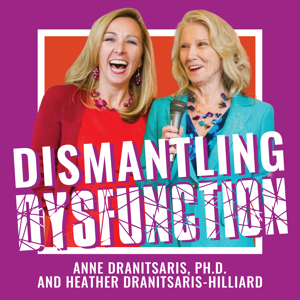


Today, leaders complain about employees not being accountable for getting things done. But is it really the employee or is it the issue that leaders don't hold themselves accountable for managing the performance of their direct reports? Our experience is that many leaders don't define tasks in a clear manner, leaving employees lost and confused about their expectations. And they fail to follow up to see how the employee is doing, missing the opportunity to praise progress or course correct.
Leaders have this nasty habit of believing that employees are "mini-me's," joined at the brain, with the same attitudes, work ethic, experience and smarts they had when doing their job. This lets them off the hook for actually leading employee performance. This lack of accountability contributes to poor performance, high turnover, and employee disengagement. Leaders not being held to any expectations or having any leadership development are only a couple of reasons why they operate from outdated beliefs instead of meeting their employee's needs during the performance development cycle, leading to this all too prevalent dysfunction.
In today's episode, we discuss the Dysfunction of Accountability and share some practical tips that you can start using today if your organization is struggling with this Dysfunction. We'll also share real client stories that illustrate just how common it is to find this type of leadership behavior in organizations today. Tune in to learn all about the Dysfunction of Accountability and discover what you can do if it's suffocating your organization's success.
If you want to know more about Anne & Heather's work with dismantling dysfunctions in organizations and leadership behavior at Caliber Leadership Systems, check out:
https://dismantlingdysfunction.com
https://www.dranitsaris-hilliard.com
https://caliberleadership.com
Stop contributing to organizational dysfunction. Pick up your copy of So, You Think You Can Lead?: A Guide to Developing Your Leadership Authority and Potential
Make sure you sign up for our weekly newsletters for tips on how to dismantle dysfunction and develop your leaders: https://bit.ly/dismantlingdysfunction
Are you dealing with an organizational dysfunction you need help with? Or do you have a story you would like to share on our show? Contact us at [email protected].
IN THIS EPISODE:
KEY TAKEAWAYS:
Increasingly, leaders today are complaining about employee entitlement and dysfunctional entitled behavior. They fail to realize how their leadership might contribute to this entitlement. Instead, they judge the behavior of their direct reports and make excuses for them instead of dealing with the actual issue.
A few generations of employees have been brought up to believe they'll be rewarded for just showing up. They get anxious and overwhelmed when asked to get reports in on time or go running to HR when given much-needed corrective feedback. Instead of being shocked by and enabling this behavior, leaders need to change how they lead, developing them into employees excited about what they can achieve based on working consistently toward their goals. Leaders must stop feeling entitled to lead the way they prefer and stop saying, "I didn't need hand-holding; they shouldn't either." Their mindset adds to the ever-widening gap between what leaders expect and what employees are prepared to deliver.
In today's episode, we discuss the Dysfunction of Entitlement and share some practical tips that you can start using today if employee entitlement is causing you to give your power away. We'll also share real client stories that illustrate just how common it is to find this dysfunction in organizations today. Tune in to learn all about the Dysfunction of Entitlement and discover what you can do if it's suffocating your organization's success.
If you want to know more about Anne & Heather's work with dismantling dysfunctions in organizations and leadership behavior at Caliber Leadership Systems, check out:
https://dismantlingdysfunction.com
https://www.dranitsaris-hilliard.com
https://caliberleadership.com
Stop contributing to organizational dysfunction. Pick up your copy of So, You Think You Can Lead?: A Guide to Developing Your Leadership Authority and Potential
Make sure you sign up for our weekly newsletters for tips on how to dismantle dysfunction and develop your leaders: https://bit.ly/dismantlingdysfunction
Are you dealing with an organizational dysfunction you need help with? Or do you have a story you would like to share on our show? Contact us at [email protected].
IN THIS EPISODE:
KEY TAKEAWAYS:
Ever worked for an organization that had no cross-departmental communication or information sharing between departments? The notion that power struggles simply cannot exist between functional areas of an organization is absurd. The unfortunate truth is, it's human nature for leaders to behave this way, and the longer this counterproductive structure exists in an organization, the harder it is to break it down.
When senior leaders plan their organizational design and build its foundation, they rarely consider what they will do when their leaders create silos, engage in power struggles, and fail to align with the organization's objectives. It's as if they think their organization is immune to the same dysfunctions that other businesses face, and so they don't develop skills to deal with these challenges when they arise.
In today's episode, we discuss the Dysfunction of Silos and share some practical tips that you can start using today if your organization is suffering from cross-departmental communication issues and power struggles. We'll also share real client stories that illustrate just how common it is to find this type of leadership behavior in organizations today. Tune in to learn all about the Dysfunction of Silos and discover what you can do to break down the barriers responsible for blocking your organization's success.
If you want to know more about Anne & Heather's work with dismantling dysfunctions in organizations and leadership behavior at Caliber Leadership Systems, check out:
https://dismantlingdysfunction.com
https://www.dranitsaris-hilliard.com
https://caliberleadership.com
Stop contributing to organizational dysfunction. Pick up your copy of So, You Think You Can Lead?: A Guide to Developing Your Leadership Authority and Potential
Make sure you sign up for our weekly newsletters for tips on how to dismantle dysfunction and develop your leaders: https://bit.ly/dismantlingdysfunction
Are you dealing with an organizational dysfunction you need help with? Or do you have a story you would like to share on our show? Contact us at [email protected].
IN THIS EPISODE:
KEY TAKEAWAYS:
Leaders today act as though it isn't their job to keep their complex organizations moving in alignment. All too often, leaders let employees do things 'their way' in hopes that this will motivate them or somehow enable them to work more efficiently. The result? Silent chaos in the workplace.
Clearly, there is a lack of understanding of the chaos that this type of leadership thinking creates. Since when are the ego needs of employees more important than the overarching needs of the organization?
Letting personal feelings influence leadership behavior is just one of the many reasons for the Dysfunction of Chaos. Instead of leaders seeking to create organizations that operate with the precision of a Swiss watch, they are more likely to foster an environment where impulsiveness, misalignment and inefficiencies lead to a failure to thrive.
In today's episode, we discuss the Dysfunction of Chaos and share some practical tips that you can start using today if your organization is struggling with this Dysfunction. We'll also share real client stories that illustrate just how common it is to find this type of leadership behavior in organizations today. Tune in to learn all about the Dysfunction of Chaos and discover what you can do if it's suffocating your organization's success.
If you want to know more about Anne & Heather's work with dismantling dysfunctions in organizations and leadership behavior at Caliber Leadership Systems, check out:
https://dismantlingdysfunction.com
https://www.dranitsaris-hilliard.com
https://caliberleadership.com
Stop contributing to organizational dysfunction. Pick up your copy of So, You Think You Can Lead?: A Guide to Developing Your Leadership Authority and Potential
Make sure you sign up for our weekly newsletters for tips on how to dismantle dysfunction and develop your leaders: https://bit.ly/dismantlingdysfunction
Are you dealing with an organizational dysfunction you need help with? Or do you have a story you would like to share on our show? Contact us at [email protected].
IN THIS EPISODE:
KEY TAKEAWAYS:
Do performance management discussions get in the way of the "real work"? (Sorry, it's a trick question.) Leaders who agree with this idea are missing the point. They're holding on to a mindset that keeps them from fully embracing the true responsibility of their roles: to lead people.
Leadership demands the use of foreign and uncomfortable relational competencies. And focusing on the "real work" keeps underdeveloped leaders feeling safe and powerful within the walls of their comfort zones. So, what happens when leaders don't have the tools they need to deal with difficult interpersonal situations effectively? They spook at the first sign of discomfort, cut corners, and neglect their own needs and the needs of their employees. It takes a lot more than a half-hearted performance review every now and then to truly manage performance and engage your people.
In today's episode, we discuss the Dysfunction of Neglect and share some practical tips that you can start using today if you're having trouble overcoming the discomfort that stands in the way of effective leadership. We'll also share real client stories that illustrate just how common it is to find this type of leadership behavior in organizations today. Tune in to learn all about the Dysfunction of Neglect and discover what you can do if it's suffocating your organization's success.
If you want to know more about Anne & Heather's work with dismantling dysfunctions in organizations and leadership behavior at Caliber Leadership Systems, check out:
https://dismantlingdysfunction.com
https://www.dranitsaris-hilliard.com
https://caliberleadership.com
Stop contributing to organizational dysfunction. Pick up your copy of So, You Think You Can Lead?: A Guide to Developing Your Leadership Authority and Potential
Make sure you sign up for our weekly newsletters for tips on how to dismantle dysfunction and develop your leaders: https://bit.ly/dismantlingdysfunction
Are you dealing with an organizational dysfunction you need help with? Or do you have a story you would like to share on our show? Contact us at [email protected].
IN THIS EPISODE:
KEY TAKEAWAYS:
Have you ever worked for a boss who reminded you of your mother or another overly nurturing family member? You know, the boss who always wants you to share what's going on with you personally… The boss who gives unsolicited advice or tells you how to do something that you already know how to do… Leaders like this foster dependence on themselves by using feelings and empathy to lead - instead of expectations and feedback. These leaders will treat all their employees like fragile, easily overwhelmed children who are incapable of stepping up to the challenges of their roles. (No wonder high achievers tend to disappear from these leaders' teams faster than you can say "how does that make you feel?")
In today's episode, we discuss the Caretaker Dysfunction and share some practical tips that you can start using today if you or your leaders are struggling with an overly nurturing leadership style. We'll also share real client stories that illustrate just how common it is to find this type of leadership behavior in organizations today. Tune in to learn all about the Caretaker Dysfunction and discover what you can do if it's suffocating your organization's success.
If you want to know more about Anne & Heather's work with dismantling dysfunctions in organizations and leadership behavior at Caliber Leadership Systems, check out:
https://dismantlingdysfunction.com
https://www.dranitsaris-hilliard.com
https://caliberleadership.com
Stop contributing to organizational dysfunction. Pick up your copy of So, You Think You Can Lead?: A Guide to Developing Your Leadership Authority and Potential
Make sure you sign up for our weekly newsletters for tips on how to dismantle dysfunction and develop your leaders: https://bit.ly/dismantlingdysfunction
Are you dealing with an organizational dysfunction you need help with? Or do you have a story you would like to share on our show? Contact us at [email protected].
IN THIS EPISODE:
KEY TAKEAWAYS:
Whether it's because they're simply "too busy" or just nowhere to be found, some leaders never seem to be around when you need them. And on the rare occasion that they can be pinned down, they'll dip, duck, dodge, and dive all your questions, leaving you without an answer to your burning issue. It seems like they're not only avoiding you, but avoiding their responsibility to make decisions as well…
Frustrating, right? This is the Avoidant Leadership Dysfunction in action. These leaders will often take pride in the fact that they're not bothering their employees by being a micromanager and breathing down their necks as they work. Seemingly positive at first, but these same leaders also tend to leave their employees without any clear expectations or feedback. And that's because it was never about avoiding micromanagement. Rather, for these leaders, it's all about avoiding leadership responsibility and staying in their comfort zones by engaging with others as little as possible while they work to achieve their own agendas.
In today's episode, we discuss the Avoidant Dysfunction and share some practical tips that you can start using today if the leaders in your organization seem to be playing an especially frustrating game of hide and seek with their responsibilities. We'll also share real client stories that illustrate just how common it is to find this type of leadership behavior in organizations today. Tune in to learn more about the Avoidant Dysfunction and discover what you can do if the leaders in your organization are leaving employees high and dry when they need them the most.
If you want to know more about Anne & Heather's work with dismantling dysfunctions in organizations and leadership behavior at Caliber Leadership Systems, check out:
https://dismantlingdysfunction.com
https://www.dranitsaris-hilliard.com
https://caliberleadership.com
Stop contributing to organizational dysfunction. Pick up your copy of So, You Think You Can Lead?: A Guide to Developing Your Leadership Authority and Potential
Make sure you sign up for our weekly newsletters for tips on how to dismantle dysfunction and develop your leaders: https://bit.ly/dismantlingdysfunction
Are you dealing with an organizational dysfunction you need help with? Or do you have a story you would like to share on our show? Contact us at [email protected].
IN THIS EPISODE:
KEY TAKEAWAYS:
"The last time I gave my direct report a little corrective feedback it didn't go so well… The next thing I knew, they were storming out the door in tears. I'm just going to stick to saying nothing at all and let employees figure things out on their own."
So many leaders today are adopting the Permissive Leadership Persona because they don't know how to set their employees up to receive corrective feedback, or how to address their employees' exaggerated emotional responses. When leaders are permissive, they let themselves "off the hook" by staying in their comfort zones instead of developing actual leadership competence. Teams will remain stuck in a dysfunctional loop when their permissive leaders fail to seek out the coaching and leadership development they need to lead effectively. It's time for permissive leaders to stop blaming employees and start owning their roles.
In today's episode, we discuss the Permissive Dysfunction and share some practical tips that you can start using today if you've been enabling employees and are feeling helpless to do anything about it. We'll also share real client stories that illustrate just how common it is to find this type of leadership behavior in organizations today. Tune in to learn more about the Permissive Dysfunction and discover what you can do to start using your leadership power and authority today!
If you want to know more about Anne & Heather's work with dismantling dysfunctions in organizations and leadership behavior at Caliber Leadership Systems, check out:
https://dismantlingdysfunction.com
https://www.dranitsaris-hilliard.com
https://caliberleadership.com
Stop contributing to organizational dysfunction. Pick up your copy of So, You Think You Can Lead?: A Guide to Developing Your Leadership Authority and Potential
Make sure you sign up for our weekly newsletters for tips on how to dismantle dysfunction and develop your leaders: https://bit.ly/dismantlingdysfunction
Are you dealing with an organizational dysfunction you need help with? Or do you have a story you would like to share on our show? Contact us at [email protected].
IN THIS EPISODE:
KEY TAKEAWAYS:
Being bossy comes naturally to many people. Consequently, these people are promoted to senior leadership roles because they make things happen using the strength of their personalities. These "bossy" bosses can be very effective at using force and directive language to get things done. They climb the organizational ladder because they excel at delivering results despite their undeveloped people leadership skills. Because they achieve results, their behavior is rationalized or overlooked by other leaders and employees alike.
The relentless drive and autocratic tendencies responsible for these leaders' success leave them with some pretty significant gaps in people leadership. Driven to succeed, they have little awareness of their own needs and emotions, so they equally neglect their employees as they do themselves. And at its worst, this disconnect can cause those around the autocratic leader to feel bullied, intimidated, or threatened. As a result, the organizational dysfunctions that these leaders create are significant, abundant, and highly destructive. Not knowing how to protect yourself from Autocratic Leaders can lead to complications that are damaging for not only individuals and teams but for organizations overall.
In today's episode, we discuss the Autocratic Leadership Dysfunction and share some practical tips to help you dismantle this behavior in your behavior or that of leaders in your organization. We'll also share real client stories that illustrate just how common it is to find this type of leadership behavior in organizations today. Tune in to learn more about the Autocratic Leadership Dysfunction and discover what you can do to not revert to your own defensive, self-protective behavior, making issues worse.
If you want to know more about Anne & Heather's work with dismantling dysfunctions in organizations and leadership behavior at Caliber Leadership Systems, check out:
https://dismantlingdysfunction.com
https://www.dranitsaris-hilliard.com
https://caliberleadership.com
Stop contributing to organizational dysfunction. Pick up your copy of So, You Think You Can Lead?: A Guide to Developing Your Leadership Authority and Potential
Make sure you sign up for our weekly newsletters for tips on how to dismantle dysfunction and develop your leaders: https://bit.ly/dismantlingdysfunction
Are you dealing with an organizational dysfunction you need help with? Or do you have a story you would like to share on our show? Contact us at [email protected].
IN THIS EPISODE:
KEY TAKEAWAYS:
Narcissistic behaviors drive leaders (and anyone who relies on them) to be relentless in getting their needs met at the expense of those around them. Devaluation, shaming, and gaslighting are only a few of the problematic strategies that those who rely on narcissistic behaviors use to ensure that everyone continues to reassure them of their "greatness". The organizational dysfunctions that narcissistic leaders cause are significant, abundant, and highly destructive. Not knowing how to deal with them and how to protect yourself from them will only complicate the dysfunction.
In today's episode, Anne & Heather discuss the Narcissistic Leadership Dysfunction and share some practical tips that you can start using today if you're struggling with the narcissistic behavior of others at work or in your personal life. They'll also share real client stories that illustrate just how common it is to find this type of leadership behavior in organizations today. Tune in to learn more about Narcissistic Dysfunctional leadership behavior and discover how you can avoid losing your power by enabling and going along with them just to keep your job .
If you want to know more about Anne & Heather's work with dismantling dysfunctions in organizations and leadership behavior at Caliber Leadership Systems, check out:
https://dismantlingdysfunction.com
https://www.dranitsaris-hilliard.com
https://caliberleadership.com
Stop contributing to organizational dysfunction. Pick up your copy of So, You Think You Can Lead?: A Guide to Developing Your Leadership Authority and Potential
Make sure you sign up for our weekly newsletters for tips on how to dismantle dysfunction and develop your leaders: https://bit.ly/dismantlingdysfunction
Are you dealing with an organizational dysfunction you need help with? Or do you have a story you would like to share on our show? Contact us at [email protected].
IN THIS EPISODE:
KEY TAKEAWAYS:
From the publisher's feed