
Sign up to save your podcasts
Or

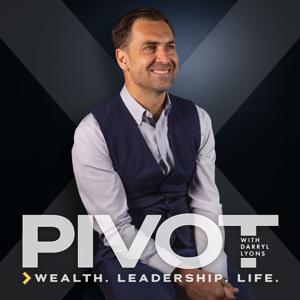

Is the escalating conflict with Iran something investors should worry about?
Global headlines about war, oil supply disruptions, and geopolitical tensions can make it feel like a major market crash is just around the corner. But are these fears grounded in probability - or simply possibility amplified by the news cycle?
In this episode of Retire in Texas, Darryl Lyons explores the investing skill of distinguishing between what is possible versus what is probable. Using the current tensions surrounding Iran and the Strait of Hormuz as a backdrop, Darryl explains how geopolitical events can influence markets through both economic effects and investor sentiment, and why headlines often exaggerate the real long-term impact.
Drawing on historical examples like Pearl Harbor and the assassination of President John F. Kennedy, Darryl walks through how markets have historically responded to major crises. While uncertainty can trigger short-term volatility, investors and institutions often shift quickly from panic to analysis, evaluating what events mean for economic growth, corporate earnings, and long-term investment opportunities.
You'll learn:
Why understanding the difference between possible and probable is a key investing skill.
How geopolitical conflicts like tensions with Iran can affect markets and oil supply.
What history shows about market reactions to major global events.
Why missing just a few of the market's best days can dramatically reduce long-term returns.
How diversification, time horizon, and portfolio structure help investors weather uncertainty.
Darryl also explains why investors should be cautious about reacting emotionally to alarming headlines. Whether markets are responding to geopolitical tensions, economic concerns, or unexpected global events, long-term investors can benefit from maintaining discipline rather than trying to time the market.
This episode serves as a reminder that while uncertainty is inevitable in investing, markets have historically endured wars, crises, and disruptions because the global economy continues moving forward. With proper perspective, diversification, and long-term planning, investors can build resilience in their financial strategy.
Benefiting from the show? We'd appreciate it if you left a review on your favorite podcast platform.
Resources:
https://www.invesco.com/us-rest/contentdetail?contentId=a9b2a3dd-29a7-4302-ab86-814c4886a73c&msockid=0f56055ffc28689a11991143fda66906
https://www.wellington.com/en/insights/war-and-markets-whats-the-connection
 View all episodes
 By Darryl Lyons

4.8
3333 ratings
Is the escalating conflict with Iran something investors should worry about?
Global headlines about war, oil supply disruptions, and geopolitical tensions can make it feel like a major market crash is just around the corner. But are these fears grounded in probability - or simply possibility amplified by the news cycle?
In this episode of Retire in Texas, Darryl Lyons explores the investing skill of distinguishing between what is possible versus what is probable. Using the current tensions surrounding Iran and the Strait of Hormuz as a backdrop, Darryl explains how geopolitical events can influence markets through both economic effects and investor sentiment, and why headlines often exaggerate the real long-term impact.
Drawing on historical examples like Pearl Harbor and the assassination of President John F. Kennedy, Darryl walks through how markets have historically responded to major crises. While uncertainty can trigger short-term volatility, investors and institutions often shift quickly from panic to analysis, evaluating what events mean for economic growth, corporate earnings, and long-term investment opportunities.
You'll learn:
Why understanding the difference between possible and probable is a key investing skill.
How geopolitical conflicts like tensions with Iran can affect markets and oil supply.
What history shows about market reactions to major global events.
Why missing just a few of the market's best days can dramatically reduce long-term returns.
How diversification, time horizon, and portfolio structure help investors weather uncertainty.
Darryl also explains why investors should be cautious about reacting emotionally to alarming headlines. Whether markets are responding to geopolitical tensions, economic concerns, or unexpected global events, long-term investors can benefit from maintaining discipline rather than trying to time the market.
This episode serves as a reminder that while uncertainty is inevitable in investing, markets have historically endured wars, crises, and disruptions because the global economy continues moving forward. With proper perspective, diversification, and long-term planning, investors can build resilience in their financial strategy.
Benefiting from the show? We'd appreciate it if you left a review on your favorite podcast platform.
Resources:
https://www.invesco.com/us-rest/contentdetail?contentId=a9b2a3dd-29a7-4302-ab86-814c4886a73c&msockid=0f56055ffc28689a11991143fda66906
https://www.wellington.com/en/insights/war-and-markets-whats-the-connection
2,196 Listeners

4,388 Listeners

3,670 Listeners

5,445 Listeners
7,118 Listeners
586 Listeners

56,508 Listeners
1,235 Listeners
65,493 Listeners
43,834 Listeners

4,381 Listeners