
Sign up to save your podcasts
Or



Send us Fan Mail
In this episode of Drawn to Darkness, we dive into Jonathan Demme’s classic and deeply unsettling 1991 psychological horror-thriller, Silence of the Lambs. We unpack the film’s use of dread over jump scares, the power of what is left unseen, the terrifying precision of Anthony Hopkins’ performance, Jodie Foster’s Clarice navigating the male gaze in a man’s world, and why Catherine Martin deserves more credit for being a total badass. We also discuss the book, the film’s real-life serial killer inspirations, the horror of charming and sophisticated monsters, the questionable logistics of pens and temporary cages, and why the final basement sequence remains absolutely harrowing.
Content & Spoiler Warning:
Violence, blood and gore, skinning and flaying, transphobia, kidnapping, serial murder, references to cannibalism, a dog in peril, bugs, a decapitated head, bloody fingernails, suicide, childhood trauma, and the male gaze. We also have a serious discussion upfront about the film’s harmful impact on the trans community, including how intent does not erase impact, how the movie tried and failed to distance Buffalo Bill from trans identity, and why representation matters when marginalised groups are repeatedly portrayed as jokes, deviants, or killers.
And of course we spoil The Silence of the Lambs.
Palate Cleanser:
Jessica Jones - if you feel like a Marvel binge.
Don’t Trust the B---- in Apartment 23 - James Van Der Beek playing a ridiculous version of himself, and a much lighter viewing experience after Buffalo Bill’s basement.
Recommendations:
For related podcasts, try the Unspooled episode on The Silence of the Lambs with Paul Holes and That Aged Well, and The Wine and Crime episode on cannibalism
For more serial killers, detectives & dark investigations:
Red Dragon, Criminal Minds, and Hannibal the TV show
Psycho and Texas Chainsaw Massacre - for other killers loosely inspired by Ed Gein
Seven
Zodiac
True Detective Season 1 and Night Country with Jodie Foster
Longlegs for a more recent comparison with a creepy lead performance
For Queer Joy & LGBTQ+ Representation to offset the transphobia:
The Rocky Horror Picture Show
Heated Rivalry
Scary Basements and horror beneath the surface:
Home Alone
The Black Phone
Barbarian
The Ring
Random Connections:
Home for the Holidays, directed by Jodie Foster
Old Gods of Appalachia for Clarice’s West Virginia background
Stranger Things Season 4, especially Nancy and Robin visiting Victor Creel
American Horror Story: Asylum
Love Actually for unreasonable standards of thinness
Super Troopers for the state trooper connection
Oklahoma! because Lecter says, “People will say we’re in love”
When Harry Met Sally for “Surrey with the Fringe on Top”
Homework:
Watch Mindhunter. We’re discussing both seasons, so get as far as you can. Prepare for discussion about criminal profiling, Ed Kemper, the Behavioral Science Unit, and what makes a monster.
And remember: Beware of strangers in slings. Watch your pens. And do not turn your back on Hannibal Lecter.
Special thanks to Nancy Azano for our cover art (Instagram: @nancyazano) and Harry Kidd for our music (Instagram: @harryjkidd, Spotify).
Send us Fan Mail
In this episode, we celebrate one year of Drawn to Darkness by raising a glass to Edgar Allan Poe’s revenge-soaked classic, "The Cask of Amontillado", a story about wounded pride, wine snobbery, and one extremely committed masonry project. Expect talk of Poe’s tragic life, literary feuds, mysterious deaths, buried-alive panic, Freemasons, creepy crypts, and why you should never follow a frenemy to a second location. We also discuss the unsettling question the story refuses to answer: what exactly did Fortunato do? Was this revenge for a real wrong, a thousand tiny slights, or one fragile man’s fantasy of perfect punishment?
Spoiler and Content Warning:
Content includes revenge, murder, claustrophobia, being buried alive, darkness, damp crypts, bones, chains, alcoholism, death, possible mental instability, and the horrible realisation that someone who smiles at you might also be planning to wall you up. We also spoil the "The Cask of Amontillado". So go read it this 1846 classic, and come back.
Palate Cleanser:
For a lighter trip into the macabre, try black comedies and dark-weirdo classics like Clue, The Craft, Heathers, The Addams Family, Beetlejuice, or Drop Dead Gorgeous. They let you enjoy the creepy, strange, and morbid without trapping you in an underground wine murder dungeon. Also, the podcast That Aged Well, to revisit beloved films and asks how well they hold up; The Basement Yard, for silly green-flag-guy energy.
And don't forget to take a moody evening walk while listening to Poe short stories, if your idea of self-care involves dusk, dread, and nineteenth-century guilt spirals.
Recommendations:
Poe stories including The Tell-Tale Heart, The Pit and the Pendulum, The Raven, The Premature Burial, Berenice, The Fall of the House of Usher, and The Murders in the Rue Morgue
His Hideous Heart, a YA anthology of contemporary Poe retellings
Mike Flanagan’s The Fall of the House of Usher
Wine and Crime episode on being buried alive
The Simpsons: Treehouse of Horror adaptation of The Raven
The Princess Bride, because Count Rugen knows when to run from vengeance
Goodfellas, especially the manipulation and “go into the scary second location” energy
The Girl with the Dragon Tattoo, for the danger of politeness overriding instinct
Speak No Evil, for another brutal lesson in ignoring red flags
The Descent, for being trapped underground in the dark
Interview with the Vampire, for a particularly horrible buried-alive fate
Buried, starring Ryan Reynolds
CSI, the Nick-buried-alive episode, for peak 2000s TV trauma
Immaculate, for a brief but memorable buried-alive horror moment
Guillermo del Toro’s Cabinet of Curiosities, especially “Graveyard Rats”
Indiana Jones and the Raiders of the Lost Ark, for the Well of Souls
Indiana Jones and the Last Crusade, for bone-lined crypts in Venice
Macbeth, because “false face must hide what false heart doth know” is basically Montresor’s entire personality
Homework:
Next up: The Silence of the Lambs. We’re moving from Poe’s damp catacombs to Buffalo Bill’s basement, with more second-location danger, more manipulation, more dungeon-like spaces, and Clarice Starling walking one of horror’s most memorable corridors. Watch or rewatch before our next episode.
And after that: Mindhunter. We are officially in our basement era. Until then, do not follow anyone into a damp, bone-lined crypt for a drink, no matter how rare they say it is. We’ll see you next time on Drawn to Darkness.
Special thanks to Nancy Azano for our cover art (Instagram: @nancyazano) and Harry Kidd for our music (Instagram: @harryjkidd, Spotify).
Send us Fan Mail
Devil in the White City by Erik Larson
In this episode of Drawn to Darkness, we dive into Erik Larson’s The Devil in the White City, a packed, fact-filled account of the 1893 Chicago World’s Fair and the terrifying crimes of H. H. Holmes. Along the way, we unpack Daniel Burnham’s impossible project management nightmare, Frederick Law Olmsted’s dramatic hatred of flowerbeds, power boats, and mediocre gravel paths, the invention of the Ferris wheel, the rise of Kodak snapshots, Juicy Fruit, Cracker Jack, the dishwasher, spray paint, zippers, Shredded Wheat, and far too many things that apparently came from one fair.
But beneath the White City’s glowing spectacle is Holmes’ so-called murder castle: a labyrinth of rooms, corridors, chutes, gas lines, hidden spaces, and a basement that feels straight out of Silence of the Lambs. We discuss Holmes’ charm, aliases, fraud, manipulation, blue eyes, possible small ears of vice, and his horrifying ability to sense vulnerability “the way another man might capture the trace of a woman’s perfume.”
We also ask the important questions: would you rather go to an event at Harvard or Yale? Is Chicago deep dish actually pizza or a casserole? And how many red flags does a man need to wave before someone checks the basement?
Content & Spoiler Warning
Serial murder, fraud, gaslighting, grave robbing, gassing, botched or illegal abortions, the horrors of life without modern dentistry and vaccines, and the intense stress of impossible project management. We also spoil The Devil in the White City, including the crimes of H. H. Holmes.
Palate Cleanser
After all that murder and fraud, watch Maul on Disney+ for the Star Wars completists, and Daredevil in preparation for the next Spider-Man movie, and Stranger Things with the kids.
Recommendations:
Erik Larson’s other books, including Dead Wake and Isaac’s Storm.
The Wager for more novelistic nonfiction that will make you annoy everyone around you with historical facts.
The Alienist for an old-timey hunt for an 1890s serial killer.
Bright Young Women by Jessica Knoll for a fictionalised challenge to the idea that Ted Bundy was some criminal genius.
The Stranger Beside Me by Ann Rule.
The Five, about Jack the Ripper’s victims.
If you want to know more about H.H. Holmes, check out Last Podcast on the Left’s episode on H. H. Holmes and Lore's episode “The Castle.” And for more information about the era, try the Dollop episodes on the Pinkertons, Tesla and Edison, and “Cereal Men” with Patton Oswalt.
Titanic for Gilded Age vibes, plus the book’s Titanic connection.
Loving Frank for Frank Lloyd Wright-related drama.
Heretic, Barbarian and Black Phone for scary basements.
American Psycho and The Talented Mr Ripley for monsters with a facade.
Horns by Joe Hill, inspired by Holmes’ own claim that his head and face were becoming devil-like.
Instant Dream Home on Netflix for stressful, probably-not-real renovation timelines.
Weezer’s Pinkerton.
And always:
Arrested Development, because Buster Bluth was also a mama’s boy, as H.H. Holmes claims, and Olmsted has Lucille Bluth-level dramatic energy.
Parks and Recreation, because of the Harvest Fest, Leslie Knope-level organisation, and Ben Wyatt-style cost-cutting.
Homework
Horror double feature. Amontillado wine features twice on menus at the fair, so read Edgar Allan Poe’s “The Cask of Amontillado” and watch Silence of the Lambs because the real Buffalo Bill performed at the fair.
And remember:
Beware of charm, aliases, suspicious life insurance requests, and men who need a shovel to bury “potatoes” in the cellar.
Special thanks to Nancy Azano for our cover art (Instagram: @nancyazano) and Harry Kidd for our music (Instagram: @harryjkidd, Spotify).
Send us Fan Mail
In this episode of Drawn to Darkness, we ask the important questions: Is Jurassic Park actually horror? And would not having a favourite dinosaur be a dealbreaker?
We dive into Steven Spielberg’s iconic dinosaur summer blockbuster, from trembling cups of water and bloody goat legs to whatever chaos theory is, Chekov’s electric fences, and Jeff Goldblum’s unbuttoned shirt. Along the way, we unpack the film’s blend of adventure, horror, and sci-fi, discuss whether the dinosaurs were scientifically accurate (spoiler alert: no), and debate the ethics of cloning extinct creatures, billionaire hubris, and scientists “playing God.”
We also talk about childhood dinosaur obsessions, the trauma of The Land Before Time, why the T-Rex attack sequence and velociraptor attack qualify as horror, and how Spielberg balances awe, suspense, humour, and terror. Expect deep dives into practical effects vs CGI, the terrifying implications of AI and unchecked technology, casual ’90s sexism, theme park capitalism, and how “clever girl” has become a part of our family vocabularies.
Content & Spoiler Warning:
Dinosaur attacks, jump scares, graphic injuries, severed limbs, electrocution, animal deaths (including a goat and a cow), children in peril, broken glasses, and people being eaten by dinosaurs (obviously). We also discuss sexism, commenting on appearance in professional settings, scientific ethics, AI anxiety, and of course we spoil Jurassic Park.
Palate Cleanser:
After all that dinosaur-fuelled chaos and billionaire recklessness:
Spielbergian Recommendations:
Creature Features & Survival Horror
Science, Ethics & Playing God:
Dinosaurs & Paleontology:
Actor Appreciation Corner:
Homework:
Read The Devil in the White City by Erik Larson.
We’re heading into the 1893 Chicago World’s Fair and an exploration of murder, ambition, architecture, and historical chaos..
And remember:
Don’t underestimate wild animals.
Special thanks to Nancy Azano for our cover art (Instagram: @nancyazano) and Harry Kidd for our music (Instagram: @harryjkidd, Spotify).
Send us Fan Mail
In this episode of Drawn to Darkness, we dive into Martin Scorsese’s Goodfellas, the “glorious,” “classic” mob epic that somehow feels both iconic and unsettling.
From razor-blade-sliced garlic in prison to cocaine-fuelled paranoia and helicopter chases, we unpack the rise and fall of Henry Hill, a kid who always wanted to be a gangster, and ended up a broke, bored “schnuck” in witness protection. We explore the film’s unforgettable characters (Jimmy the Gent, Tommy the loose cannon, and Karen, our MVP), iconic scenes (Funny how?), and the uneasy tension between glamour and brutality. Expect deep dives into the insular world of the mafia, the real Lufthansa heist, cult dynamics, toxic masculinity, and why this isn’t actually the bro movie some people think it is. We also what our mafia nicknames would be and discuss all the cameos and familiar faces.
Content & Spoiler Warning
This episode contains discussion of graphic violence (shootings, beatings, strangulation), drug abuse (especially cocaine), emotional and domestic abuse, and gaslighting. It also includes full spoilers for Goodfellas and references to other crime and horror media.
Palate Cleanser
After all that coke-fuelled chaos and mob violence:
Recommendations
Mafia & Crime:
True Crime & Culture:
Films & TV:
Unexpected Connections:
Homework:
Watch Jurassic Park – is it horror? Maybe. We’re continuing with a ‘90s classic that helped shape our love of film (and Ryan Coogler’s), with a surprising connections to Goodfellas (hi Samuel L. Jackson).
And after that: Devil in the White City by Erik Larson
Keep your temper. Trust your gut. Don’t do coke. Don’t piss off psychopaths. And don’t marry into the mafia.
We’ll see you next time on Drawn to Darkness.
Special thanks to Nancy Azano for our cover art (Instagram: @nancyazano) and Harry Kidd for our music (Instagram: @harryjkidd, Spotify).
Send us Fan Mail
In this episode of Drawn to Darkness, we dive into Ryan Coogler’s Sinners, a genre-bending vampire period drama set in 1930s Jim Crow Mississippi. Joined by special guest Makeda Pennycooke, life and anti-racism coach, we unpack a film that is as gorgeous as it is unsettling, layering horror, history, and music. We break down vampire lore, our favorite characters, standout performances (Michael B. Jordan playing twins), the transcendent musical moments, and the symbolism woven throughout, from religion and ancestral knowledge to systems of white supremacy, power, and assimilation.
Content & Spoiler Warning
This episode contains full spoilers for Sinners and our discussion includes reference to violence, gore, and body horror (it’s a vampire movie). Some of the deeper horrors include racism, white supremacy, the Ku Klux Klan, lynching, and child loss. There’s also a snake that gets killed and drool. Really really gross drool.
Palate Cleanser
After all that intensity, Caroline and Makeda’s cure? TikTok’s National Parks content (also dubbed “Only Parks”)
Passages with Amanda Jacobson from Wine & Crime (Twilight season recap)
Recommendations
Films & TV:
Books & Reading:
Podcasts & Other:
Documentary/True Crime:
Homework:
Goodfellas - a lighter pick with a Chicago Mafia connection
And Start reading The Devil in the White City - another Chicago-based story blending crime and history
And remember, if someone asks to be invited in, say no!
We’ll see you next time—only on Drawn to Darkness.
Special thanks to Nancy Azano for our cover art (Instagram: @nancyazano) and Harry Kidd for our music (Instagram: @harryjkidd, Spotify).
Send us Fan Mail
Welcome back to Drawn to Darkness. This week, we are joined by special guest Gillian Pensavalle from True Crime Obsessed to discuss West of Memphis (2012), Amy Berg’s documentary that revisits the case of the West Memphis Three. In 1993, Stevie Branch, Michael Moore, and Christopher Byers were murdered and with little evidence and rising panic about satanic rituals, police quickly focused on three local teenagers: Damien Echols, Jason Baldwin, and Jesse Misskelley. Despite inconsistent confessions, lack of physical evidence, and alibis, all three were convicted, and Echols was sentenced to death. West of Memphis follows the nearly 20-year fight to free and exonerate them. Meanwhile, the real perpetrator remains unidentified.
We unpack wrongful convictions, moral panic, police misconduct, what Damien is like in real life, and the long, exhausting fight for justice. We explore how three teenagers were targeted as “weird kids,” how fear of satanism shaped a narrative with no evidence, and why decades later they may be free from prison, but still aren’t exonerated.
Spoiler + Content Warning
This episode and the documentary include discussion and imagery of the murder of children, child abuse, castration, false confessions, prison abuse, solitary confinement, systemic injustice, wrongful convictions, and satanic panic. We also spoil the documentary.
Palate Cleanser
Recommendations
Homework
Next episode, we’ll discuss Sinners before shifting gears slightly with:
And remember, always insist on a lawyer!
Special thanks to Nancy Azano for our cover art (Instagram: @nancyazano) and Harry Kidd for our music (Instagram: @harryjkidd, Spotify).
Send us Fan Mail
In this bonus “Chatroom” episode of Drawn To Darkness, I (Annie) chat with horror author Josiah Furcinitti to discuss his chilling short story Bedguard, featured in the anthology Lies Beyond, a horror anthology exploring death, fear, and the unknown. In Bedguard, Anna is at first only worried about the growing distance between herself and her husband David. But when he starts suffering from terrifying nightmares, seeing mysterious scratches on his body, and falling violently out of bed, Anna realises too late that something unspeakable is targeting them.
Listen to me read Bedguard, then stick around for our conversation on horror tropes (something under the bed, creatures that feed on fear, creepy kids, dolls), our horror origin stories, deeper fears, and our some of our favourite books and movies.
We also discuss the ambiguity of storytelling and what happens to a story when it’s released into the world, and the relationship between anxiety and horror consumption.
Meanwhile, we gush over the media that scared and shaped us, including Revival, It, The Girl who Loved Tom Gordon, Pet Semetary and Carrie by Stephen King, as well as The X-Files, Scary Stories to Tell in the Dark, Midsommar, Sinners, Candyman, and Peter Jackson’s King Kong. But it’s not all horror. Josiah also loves Parks and Rec.
Where you can find Lies Beyond:
You can find Lies Beyond on Amazon, Barnes & Noble, and IngramSpark. Follow Josiah on Instagram on @authorjosiahfurcinitti.
Homework for Next Episode
Watch: West of Memphis
Our next episode will feature Gillian Pensavalle from True Crime Obsessed and The Hamilcast to discuss the West Memphis Three, and the ongoing fight for their full exoneration.
Then, back to horror with Sinners, featuring Choctaw vampire hunters and 16 Academy Award nominations!
Special thanks to Nancy Azano for our cover art (Instagram: @nancyazano) and Harry Kidd for our music (Instagram: @harryjkidd, Spotify).
Send us Fan Mail
In this episode, we discuss the National Geographic documentary Sugarcane, which investigates the legacy of St. Joseph’s Mission residential school in Canada. Prompted by the discovery of unmarked graves at former school sites, the film follows members of the Williams Lake First Nation, including Julian Brave Noisecat and his father Ed, as they search for truth about what happened to children forced to attend the school. Through survivor testimony, archival material, and difficult conversations within families and communities, the documentary reveals the profound and ongoing consequences of the residential school system, where Indigenous children were separated from their families in an attempt to erase their culture. While Sugarcane does not shy away from the horrors of the system, including abuse, missing children, and institutional cover-ups, it also highlights resilience, cultural reclamation, and the long process of healing and accountability within Indigenous communities.
Content & Spoiler Warning:
Child sexual abuse, institutional abuse, infanticide, unmarked graves, suicide, cultural erasure, genocide, and systemic racism connected to the residential school system in Canada. We also spoil Sugarcane.
Palate Cleanser
Need something a little lighter?
Recommendations:
Podcasts:
Television & Film
Books
Homework for Next Episode
Watch: West of Memphis
Our next episode will feature our first guest, Gillian Pensavalle from True Crime Obsessed and The Hamilcast to discuss the West Memphis Three, and the ongoing fight for their full exoneration.
Then, back to horror with Sinners, featuring Choctaw vampire hunters and 16 Academy Award nominations!
Special thanks to Nancy Azano for our cover art (Instagram: @nancyazano) and Harry Kidd for our music (Instagram: @harryjkidd, Spotify).
Send us Fan Mail
In this episode, we descend into Mexican Gothic, Silvia Moreno-Garcia’s 2020 bestselling novel set in 1950s Mexico. When glamorous socialite Noemí Taboada receives a disturbing letter from her cousin Catalina, who claims she’s being poisoned in her new husband’s remote mountain mansion, she travels to High Place to investigate. There she finds a crumbling English manor transplanted into the Mexican countryside, steeped in decay, silence, and red flags. Catalina is wasting away under the watchful eye of her sinister husband Virgil, his ancient patriarch Howard, and the sanctimonious housekeeper Florence. The house reeks of rot, the wallpaper pulses, and mushrooms bloom in the foggy graveyard. Mexican Gothic explores inherited trauma, the stain of colonialism, eugenics, and the horror of being reduced to a vessel. We discuss gothic tropes, gaslighting, fetishisation, how we feel about dream sequences and complicity v. victimhood.
Content & Spoiler Warning:
This novel and our episode includes discussion of sexual assault, incest, coercion, eugenics, racism, fetishisation of women of colour, colonial exploitation, gaslighting, medical abuse, cannibalism, body horror (including bile and vomiting), disturbing dream sequences, and reproductive coercion. We also fully spoil Mexican Gothic.
Palate Cleansers
After all that bile, we recommend:
Recommendations
Homework”
Watch: Sugarcane (National Geographic documentary, available on Disney+)
We’ll be examining residential schools, colonisation, cultural erasure, and the lingering trauma of eugenic ideology, continuing our discussion of how history haunts the present.
Until next time: clean your black mould, trust your red flags, and when someone warns you to leave while you still can… take the hint and GTFO.
Special thanks to Nancy Azano for our cover art (Instagram: @nancyazano) and Harry Kidd for our music (Instagram: @harryjkidd, Spotify).
From the publisher's feed
Do your friends think you're weird because you rattle off facts about serials killers and watch horror movies to relax? We're here for you! Drawn to Darkness is a biweekly podcast where two best…
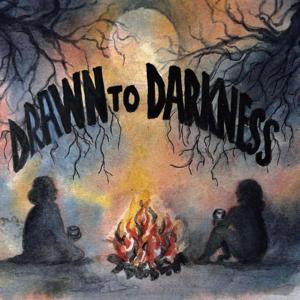
Our cover art is by Nancy Azano. You can find her work on instagram @nancyazano.
Our intro and outro music is by Harry Kidd. Check him out on instagram @HarryJKidd.