
Sign up to save your podcasts
Or


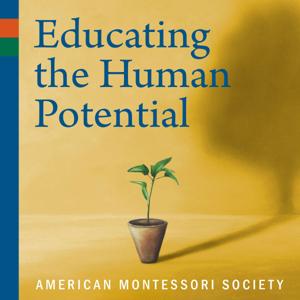
Dr. Joyce Pickering and Amy Cushner join the podcast to discuss the early signs of learning differences that Guides can be looking for during the Primary years. They use the acronym CLAPS for the main areas of development:
Coordination
Joyce and Amy describe typical development in each of these areas, and also signs of atypical development to watch for during the Primary years. They explain how the Montessori materials and lessons can be adapted to meet the needs of a wide variety of learners.
They warn that it is dangerous to take a "wait and see" approach to learning differences. Because while we are waiting, the child with learning differences is struggling and suffering. We are also losing valuable time in which to begin early intervention. So instead, Joyce and Amy advise Guides to start using adaptive strategies as soon as they identify a child at risk. If it ends up having been developmental, there is no harm done. But if it was a learning difference, you have already been supporting the student with strategies and skills they need to be successful.
Joyce and Amy share methods for recording these observations and adaptations, and how to discuss this information with parents. This episode is filled with information that all Montessorians should have - don't miss it!
 View all episodes
 By Greenspring Center for Lifelong Learning
5
1717 ratings
Dr. Joyce Pickering and Amy Cushner join the podcast to discuss the early signs of learning differences that Guides can be looking for during the Primary years. They use the acronym CLAPS for the main areas of development:
Coordination
Joyce and Amy describe typical development in each of these areas, and also signs of atypical development to watch for during the Primary years. They explain how the Montessori materials and lessons can be adapted to meet the needs of a wide variety of learners.
They warn that it is dangerous to take a "wait and see" approach to learning differences. Because while we are waiting, the child with learning differences is struggling and suffering. We are also losing valuable time in which to begin early intervention. So instead, Joyce and Amy advise Guides to start using adaptive strategies as soon as they identify a child at risk. If it ends up having been developmental, there is no harm done. But if it was a learning difference, you have already been supporting the student with strategies and skills they need to be successful.
Joyce and Amy share methods for recording these observations and adaptations, and how to discuss this information with parents. This episode is filled with information that all Montessorians should have - don't miss it!

90,885 Listeners
37,535 Listeners

43,680 Listeners
3,660 Listeners
12,165 Listeners

112,321 Listeners

56,692 Listeners
24,491 Listeners
369,104 Listeners

13,108 Listeners

15,995 Listeners
10,505 Listeners
13 Listeners