
Sign up to save your podcasts
Or

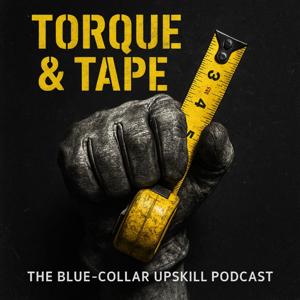

Accidents are an unwritten part of the DIY contract, but knowing how to handle a sharp cut or a sudden flash burn is what separates a seasoned pro from a panicked amateur. In this episode of TORQUE & TAPE — The Blue-Collar Skills, we’re stepping away from the power tools to focus on the most important equipment in your shop: your hands. Whether you’ve caught a stray splinter from a piece of framing or felt the white-hot sting of a soldering iron gone wrong, the first sixty seconds of your response determine how quickly you’ll get back to the workbench. I’m sharing the essential first-person techniques for stabilizing injuries in a solo garage environment, from the tactile "five-minute rule" for stopping a bleed to the critical reasons why you should never reach for the butter when a burn starts to radiate.
Mastering workshop safety isn't just about wearing goggles; it’s about having a calm, methodical plan for when things go sideways. We dive deep into the sensory cues of healing, explaining how to identify the difference between a minor nuisance and a wound that requires professional stitches. You'll hear about a "Mentor Mistake" from my early days under a crawlspace that taught me why the project can always wait, but your body cannot. We cover the proper way to flush a wound without damaging healthy tissue, how to apply medical tape with the perfect tension, and why maintaining your own "inner house" is the ultimate act of self-reliance. If you’re a DIY homeowner looking to build confidence in your hands-on skills, this guide to emergency first aid for cuts and burns will ensure you stay safe, stay grounded, and stay capable.
 View all episodes
 By 10x Pod Group Network
5
99 ratings
Accidents are an unwritten part of the DIY contract, but knowing how to handle a sharp cut or a sudden flash burn is what separates a seasoned pro from a panicked amateur. In this episode of TORQUE & TAPE — The Blue-Collar Skills, we’re stepping away from the power tools to focus on the most important equipment in your shop: your hands. Whether you’ve caught a stray splinter from a piece of framing or felt the white-hot sting of a soldering iron gone wrong, the first sixty seconds of your response determine how quickly you’ll get back to the workbench. I’m sharing the essential first-person techniques for stabilizing injuries in a solo garage environment, from the tactile "five-minute rule" for stopping a bleed to the critical reasons why you should never reach for the butter when a burn starts to radiate.
Mastering workshop safety isn't just about wearing goggles; it’s about having a calm, methodical plan for when things go sideways. We dive deep into the sensory cues of healing, explaining how to identify the difference between a minor nuisance and a wound that requires professional stitches. You'll hear about a "Mentor Mistake" from my early days under a crawlspace that taught me why the project can always wait, but your body cannot. We cover the proper way to flush a wound without damaging healthy tissue, how to apply medical tape with the perfect tension, and why maintaining your own "inner house" is the ultimate act of self-reliance. If you’re a DIY homeowner looking to build confidence in your hands-on skills, this guide to emergency first aid for cuts and burns will ensure you stay safe, stay grounded, and stay capable.

625 Listeners

139 Listeners
4 Listeners

36 Listeners

1,276 Listeners

857 Listeners

152 Listeners

7 Listeners