
Sign up to save your podcasts
Or

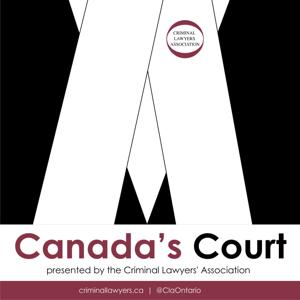

In the case of Derrick Michael Lawlor v The King, Mr. Lawlor, the appellant, appealed to the Supreme Court of Canada as of right from the Court of Appeal for Ontario, on the basis of a dissenting judge.
The appellant had engaged in a sexual encounter with the deceased and another man at a park. Hours later, the body of the deceased was found, and the cause of death was determined to be neck compression. The appellant suffered from mental illness and had consumed both psychiatric medication and alcohol around the time that he was in the park. The appellant had made statements before and after the deceased’s death stating that he wanted to kill gay men. In the days following, the appellant had searched the internet for news with respect to a body being found in a park.
The appellant was convicted by a jury of 1st degree murder. He appealed his conviction on the basis of several deficiencies in the jury charge. The majority at the Court of Appeal dismissed the appeal on the basis that the instructions to the jury were appropriate. Justice Nordheimer, dissenting, would have allowed the appeal on the basis that the judge failed to instruct the jury with respect to the appellant’s mental health and level of intoxication as it related to the intent for murder, and on the basis that the judge failed to provide a limiting instruction for the use of after the fact conduct evidence.
 View all episodes
 By Criminal Lawyers' Association
In the case of Derrick Michael Lawlor v The King, Mr. Lawlor, the appellant, appealed to the Supreme Court of Canada as of right from the Court of Appeal for Ontario, on the basis of a dissenting judge.
The appellant had engaged in a sexual encounter with the deceased and another man at a park. Hours later, the body of the deceased was found, and the cause of death was determined to be neck compression. The appellant suffered from mental illness and had consumed both psychiatric medication and alcohol around the time that he was in the park. The appellant had made statements before and after the deceased’s death stating that he wanted to kill gay men. In the days following, the appellant had searched the internet for news with respect to a body being found in a park.
The appellant was convicted by a jury of 1st degree murder. He appealed his conviction on the basis of several deficiencies in the jury charge. The majority at the Court of Appeal dismissed the appeal on the basis that the instructions to the jury were appropriate. Justice Nordheimer, dissenting, would have allowed the appeal on the basis that the judge failed to instruct the jury with respect to the appellant’s mental health and level of intoxication as it related to the intent for murder, and on the basis that the judge failed to provide a limiting instruction for the use of after the fact conduct evidence.

402 Listeners

232 Listeners
159 Listeners
218 Listeners

217 Listeners

68 Listeners

112,982 Listeners
109 Listeners

89 Listeners

79 Listeners

457 Listeners

19 Listeners

117 Listeners
41 Listeners

38 Listeners