
Sign up to save your podcasts
Or



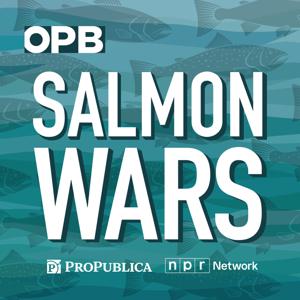
Hatcheries, also known as fish farms, have long been used to supplement fish supplies affected by human activity. But with the 18 dams on the Columbia and Snake rivers, they became more important to maintaining fish populations to fulfill tribal agreements and to meet commercial and sports fishing demands. There are now hundreds of hatcheries in the Northwest, run by federal, state, local and tribal governments. But many of them are aging, in need of repair or replacement.
Zach Penney is the director of strategic initiatives at the The Columbia River Inter-tribal Fish Commission. He says even before the Trump administration’s mass layoffs and broad cuts to the federal government, the Columbia basin had an infrastructure backlog of about $1 billion. Now, many vulnerable hatcheries are only able to survive with the help of volunteers. But Penney says, the hatchery system cannot continue without more sustainable funding, including more staffing and money for basic infrastructure. He joins us to share more about the factors that have led to the current situation and what he sees as the way forward.
 View all episodes
 By Oregon Public Broadcasting

4.5
278278 ratings
Hatcheries, also known as fish farms, have long been used to supplement fish supplies affected by human activity. But with the 18 dams on the Columbia and Snake rivers, they became more important to maintaining fish populations to fulfill tribal agreements and to meet commercial and sports fishing demands. There are now hundreds of hatcheries in the Northwest, run by federal, state, local and tribal governments. But many of them are aging, in need of repair or replacement.
Zach Penney is the director of strategic initiatives at the The Columbia River Inter-tribal Fish Commission. He says even before the Trump administration’s mass layoffs and broad cuts to the federal government, the Columbia basin had an infrastructure backlog of about $1 billion. Now, many vulnerable hatcheries are only able to survive with the help of volunteers. But Penney says, the hatchery system cannot continue without more sustainable funding, including more staffing and money for basic infrastructure. He joins us to share more about the factors that have led to the current situation and what he sees as the way forward.

38,504 Listeners

6,755 Listeners

43,657 Listeners
25,828 Listeners

9,196 Listeners

4,007 Listeners

1,009 Listeners

25 Listeners

14,627 Listeners

134 Listeners

224 Listeners

4 Listeners
10,239 Listeners

4,210 Listeners

16,352 Listeners
6,423 Listeners
977 Listeners

16,010 Listeners

219 Listeners

206 Listeners

621 Listeners