Three hunters vanished into the winter wilderness. And the man who returned with their remains claimed he was no longer human.
In the winter of 1879, a hunting party returned to Rat Portage, Ontario, reduced to three survivors and carrying the story of a man who had killed and preserved his companions in the deep snow. Similar deaths would follow across the Great Lakes region, isolated camps discovered with missing hunters, butchered remains, and witnesses claiming that starvation alone could not explain what had happened.
Today, we reopen the case of the Wendigo executions, examining whether these deaths represent survival cannibalism, starvation-induced psychological collapse, or the cultural recognition of a condition once feared across northern communities. When authorities arrived, they gathered evidence that blurred the line between crime and possession, leaving behind one of the most disturbing clusters of wilderness killings in North American history.
Content warning: cannibalism, starvation, murder, execution, and cultural violence. Listener discretion is advised.
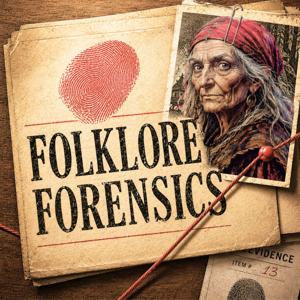
Folklore Forensics presents narrative investigations inspired by myth, legend, and historical context.
Folklore Forensics reopens myths, legends, and folklore as historical criminal cases. Listener discretion is advised.
Written and hosted by Danielle Christmas and produced by Audio Ellis.
Follow / subscribe for weekly storytelling investigations.
Follow the show on Instagram @folkloreforensics
Case suggestions and research inquiries: [email protected]