
Sign up to save your podcasts
Or

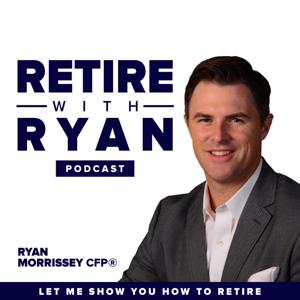

Thinking about collecting Social Security while you're still working? It's a tempting option, but there are several crucial mistakes you'll want to avoid. Using real-life stories, I'm laying out the four big pitfalls, like earning over the social security limit, jeopardizing your health savings account, mishandling Medicare enrollment, and forgetting about tax withholding.
These missteps can lead to unnecessary penalties, and so I want to give some actionable strategies to help you make the most of your benefits without unpleasant surprises.
You will want to hear this episode if you are interested in...Choosing when and how to collect Social Security is complex, especially if you intend to keep working beyond age 62. While the prospect of "double-dipping" might seem appealing, several critical factors can impact your overall benefit, tax situation, and healthcare coverage. Here are the four big mistakes I often see:
1. Exceeding the Social Security Earnings LimitOne of the biggest mistakes is not understanding the earnings limit set by Social Security for those who collect benefits before reaching their full retirement age (FRA). If you start taking benefits before your FRA, which currently ranges from 66 to 67 depending on your birth year, your benefits may be reduced if your annual earnings exceed a certain threshold.
Failing to plan for these restrictions can lead to a surprise clawback, so calculate your annual income carefully if you plan to collect early.
2. Losing Eligibility to Contribute to an HSAIf you're enrolled in a high-deductible health plan and are contributing to a Health Savings Account (HSA), be wary: Once you enroll for Social Security after age 65, you're automatically enrolled in Medicare Part A. By law, you cannot contribute to an HSA while on Medicare.
To make matters more complex, Medicare Part A enrollment is retroactive up to six months, and any contributions made to your HSA during that period will be considered excess contributions, exposed to a 6% IRS penalty unless withdrawn in time. Before you trigger Social Security benefits, stop your HSA contributions (and your employer's) at least six months in advance to avoid penalties and the loss of valuable tax deductions.
3. Accidental Enrollment in Medicare Part BSome assume that enrolling in Medicare Part B is required or beneficial while they keep their employer coverage, but that's not always the case. If your employer has 20 or more employees and you're covered under their group health insurance, your employer's plan remains primary, and Medicare Part B is unnecessary and costly, with premiums starting at $185/month and higher for high earners.
Enrolling in Part B during this period can limit your future ability to buy a Medigap policy with automatic acceptance (no health questions or exclusions for pre-existing conditions). Unless you're losing employer coverage, it's usually best to delay enrolling in Part B and carefully respond to any enrollment communications from Social Security.
4. Not Withholding Enough Taxes on Social Security PaymentsSocial Security benefits are taxable for most retirees, especially if you're still working. You need to anticipate the added income and withhold sufficient federal (and potentially state) taxes to avoid underpayment penalties. You can file IRS Form W-4V to have Social Security withhold federal tax from each payment, choosing between 7%, 10%, 12%, and 22%. Alternatively, increase withholding at work or make estimated tax payments. Planning ahead ensures you won't face a large bill come tax time.
Resources Mentionedwww.MorrisseyWealthManagement.com/contact
Subscribe to Retire With Ryan
 View all episodes
 By Ryan R Morrissey

4.9
3838 ratings
Thinking about collecting Social Security while you're still working? It's a tempting option, but there are several crucial mistakes you'll want to avoid. Using real-life stories, I'm laying out the four big pitfalls, like earning over the social security limit, jeopardizing your health savings account, mishandling Medicare enrollment, and forgetting about tax withholding.
These missteps can lead to unnecessary penalties, and so I want to give some actionable strategies to help you make the most of your benefits without unpleasant surprises.
You will want to hear this episode if you are interested in...Choosing when and how to collect Social Security is complex, especially if you intend to keep working beyond age 62. While the prospect of "double-dipping" might seem appealing, several critical factors can impact your overall benefit, tax situation, and healthcare coverage. Here are the four big mistakes I often see:
1. Exceeding the Social Security Earnings LimitOne of the biggest mistakes is not understanding the earnings limit set by Social Security for those who collect benefits before reaching their full retirement age (FRA). If you start taking benefits before your FRA, which currently ranges from 66 to 67 depending on your birth year, your benefits may be reduced if your annual earnings exceed a certain threshold.
Failing to plan for these restrictions can lead to a surprise clawback, so calculate your annual income carefully if you plan to collect early.
2. Losing Eligibility to Contribute to an HSAIf you're enrolled in a high-deductible health plan and are contributing to a Health Savings Account (HSA), be wary: Once you enroll for Social Security after age 65, you're automatically enrolled in Medicare Part A. By law, you cannot contribute to an HSA while on Medicare.
To make matters more complex, Medicare Part A enrollment is retroactive up to six months, and any contributions made to your HSA during that period will be considered excess contributions, exposed to a 6% IRS penalty unless withdrawn in time. Before you trigger Social Security benefits, stop your HSA contributions (and your employer's) at least six months in advance to avoid penalties and the loss of valuable tax deductions.
3. Accidental Enrollment in Medicare Part BSome assume that enrolling in Medicare Part B is required or beneficial while they keep their employer coverage, but that's not always the case. If your employer has 20 or more employees and you're covered under their group health insurance, your employer's plan remains primary, and Medicare Part B is unnecessary and costly, with premiums starting at $185/month and higher for high earners.
Enrolling in Part B during this period can limit your future ability to buy a Medigap policy with automatic acceptance (no health questions or exclusions for pre-existing conditions). Unless you're losing employer coverage, it's usually best to delay enrolling in Part B and carefully respond to any enrollment communications from Social Security.
4. Not Withholding Enough Taxes on Social Security PaymentsSocial Security benefits are taxable for most retirees, especially if you're still working. You need to anticipate the added income and withhold sufficient federal (and potentially state) taxes to avoid underpayment penalties. You can file IRS Form W-4V to have Social Security withhold federal tax from each payment, choosing between 7%, 10%, 12%, and 22%. Alternatively, increase withholding at work or make estimated tax payments. Planning ahead ensures you won't face a large bill come tax time.
Resources Mentionedwww.MorrisseyWealthManagement.com/contact
Subscribe to Retire With Ryan

801 Listeners

1,331 Listeners
535 Listeners
753 Listeners

545 Listeners

696 Listeners

579 Listeners

935 Listeners

828 Listeners

206 Listeners

143 Listeners

1,069 Listeners

185 Listeners

138 Listeners
102 Listeners