
Sign up to save your podcasts
Or

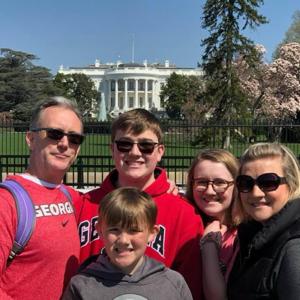


In this heartfelt and unexpectedly timely episode of Frugalocity, Richard and Dave dive into a question that blends frugality, family, Americana, and the legacy of one of the most beloved figures in American culture: Is Dollywood the frugalite‑approved theme park experience?
The conversation begins with Richard honoring the recent passing of Dolly Parton — the Smoky Mountain Songbird, Iron Butterfly, Book Lady, and a woman whose impact stretches far beyond music. As Richard puts it, Dolly’s accomplishments could fill an entire podcast, but today the focus is on one of her greatest gifts to East Tennessee: Dollywood.
Why Dollywood? Why Now?
Richard frames the episode around a simple but provocative question:
If Disney and Universal dominate the theme‑park conversation, why aren’t more families talking about Dollywood — a destination that costs roughly half as much, offers world‑class rides, and sits in the middle of some of the most beautiful scenery in America?
Dave, freshly returned from a trip to Dollywood, jumps in with firsthand experience. His verdict is clear: Dollywood is fun, wholesome, well‑run, and refreshingly authentic.
“Dollywood is… a lot less expensive than a certain other destination south of us.”
Authenticity vs. Commercialization
The duo contrasts Dollywood’s vibe with the hyper‑commercial feel of Orlando’s mega‑parks. Dave jokes that if Chick‑fil‑A ran a theme park, it would feel like Dollywood — warm, welcoming, and genuinely family‑oriented.
Richard expands on this, connecting Dollywood’s authenticity to Dolly’s own story — her humility, her roots, her literacy work, and her refusal to let others define her worth. He recalls the famous Barbara Walters interview where Dolly flipped a stereotype on its head with grace and humor.
“She flipped the stereotype… she made Barbara look like a condescending, patronizing elitist.”
Dollywood, they argue, carries that same spirit: pride without pretension, charm without commercialization, and joy without the price tag of Orlando.
The Dollywood Experience — Through Dave’s Eyes
Cost & Convenience
Richard’s back‑of‑the‑envelope math shows Dollywood trips running $2,500–$3,000, compared to $4,500–$6,000+ for Disney or Universal. Dave confirms the value:
On‑site hotel around $220/night
Free shuttle
Early park entry
Access to both Dollywood and its water park
The Park Itself
Dollywood boasts:
50+ rides and attractions
9 roller coasters
A full water park
Live music, artisans, and Appalachian culture
Dave and his family rode every single coaster in one day — something unimaginable at Disney.
“You can easily hit everything at Dollywood in a day.”
Wait times?
20–30 minutes, even for the big rides.
Food & Fun
The episode gets delightfully sidetracked into Dollywood’s food offerings:
Dogs & Taters
Potato Tornado
Cinnamon Bread (a must‑have)
Pork rinds (“Dollywood 1, Disney 0”)
Sweet tea that’s actually sweet
Dave also highlights the people‑watching at the water park, ranking it “top five” — a comedic gem in the episode.
“The people watching at the water park… top five for sure.”
The Dollywood Culture
Dave praises the staff’s kindness and sincerity.
“It felt like they genuinely wanted you to be there.”
Richard ties this back to Dolly’s legacy — Dollywood isn’t just a theme park; it’s an extension of Dolly’s values.
The Verdict: Frugalite Approved
By the end of the episode, Richard stamps Dollywood with the Frugalite Seal of Approval.
“Everybody go to Dollywood.”
Dollywood offers:
Authenticity
Affordability
Family‑friendly fun
A connection to American cultural history.
Access to the Smoky Mountains, Pigeon Forge, Gatlinburg, and Cherokee.
It’s not just a theme park — it’s a unique American story, wrapped in roller coasters, cinnamon bread, and Appalachian charm.
Sites we follow and you should too:
Frugalocity
Snoophoggyhawg
Frugalocity2
Drink Choffy — use code Richard15
Shampoochie
Georgia Real Estate Depot
Dollywood
This episode of Ballhawgs is peak Ballhawgs energy: sharp football analysis, honest fan emotion, inside jokes, and a full‑on detour into deciphering absurd song lyrics. Richard, Conner, and Aidan break down the 2026 Georgia Bulldogs roster with the confidence of men who have watched every snap since birth—and the skepticism of men who still haven’t forgiven Glenn Schumann.
🔥 Offensive Line: The Biggest Upgrade of 2026
The crew opens with the O‑line, unanimously calling it the most improved unit from last season.
Last year’s line was a revolving door of injuries and youth; this year, it’s stability, depth, and grown‑man strength.
The group agrees: Georgia’s O‑line is back, and it’s the foundation for everything else.
Running Backs: Nate Frazier
Georgia hasn’t had a 1,000‑yard rusher since DeAndre Swift, but the Ballhawgs believe Nate Frazier breaks that drought.
They love his:
Nick Chubb‑like demeanor
Pass‑catching ability
Leadership and humility
Chauncey Bowens complements him, and Bo Walker adds depth. Dwight Phillips and others round out a deep room.
🔥 Quarterback: Gunnar Stockton’s Make‑or‑Break Year
Gunnar Stockton enters 2026 ripped, confident, and ready—but the guys note:
He’s mobile, but not Josh Allen.
He needs to be a distributor, not a battering ram.
Still, they expect a huge leap, and Conner even drops the bomb:
“Gunnar Stockton’s gonna win the Heisman Trophy.”
Wide Receivers: The One Real Concern
The WR room is the shakiest part of the offense.
London Humphreys is the only proven commodity, though he underwhelmed last year.
Isaiah Canyon has size and upside.
The guys agree:
This group has talent, but no guaranteed star.
Tight Ends: Georgia’s Real WR Insurance Policy
Georgia may not be WR‑U, but the Ballhawgs argue they’re absolutely in the conversation for TE‑U.
Names they highlight:
Lawson Luckie – the leader of the room
Ethan Barbour
Elias Williams – reportedly one of Kirby’s favorite blockers
Kaydn Prothro – a hybrid TE/slot weapon
They compare Brock Bowers to Gronk/Kittle and emphasize how Georgia’s TE versatility can mask WR inconsistency.
Defense: Experienced, and Possibly Elite
Aidan calls it one of the best defenses in Kirby Smart’s tenure. Richard pushes back, but the group ultimately agrees:
This defense is loaded.
Key players:
KJ Bolden – “best safety in college football,” future first‑rounder
Elijah Griffin – elite D‑line talent
Chris Cole – expected to boost sack production
Justin Williams & Raylon Wilson – elite ILB duo
Ellis Robinson – top‑10 NFL prospect, lockdown corner
They note Georgia had only 20 sacks last year, which is unacceptable. This year’s group should fix that.
SEC & National Landscape: Who Can Actually Threaten Georgia?
The Ballhawgs are blunt:
Alabama: new QB, tough schedule, likely misses the playoff.
Texas: elite roster but brutal schedule; Sark already talking about losing three games.
Oklahoma: sleeper team.
Overall:
Georgia’s path looks cleaner than usual.
🎵 “What He Had Said” Segment: Pure Chaos
Richard introduces the beloved/infamous segment where the guys try to decipher misheard song lyrics.
Highlights:
Annie Lennox – “No More I Love You’s”
Conner nearly nails the line:
“I used to be a lunatic from the gracious days.”
Red Hot Chili Peppers – “Soul to Squeeze”
The gibberish line shocks everyone:
Michael Jackson – “Wanna Be Startin’ Somethin’”
The mystery lyric:
“So your tongue became a razor.”
🏁 Final Takeaways
The Ballhawgs wrap with confidence:
Georgia has the roster, coaching, depth, and experience to win it all.
WRs and pass rush are the only real question marks.
The defense could be historically good.
Dogs by a billion.
And Conner signs off with the most Conner line possible:
“Gunnar Stockton’s gonna win the Heisman Trophy.”
Sites we follow and you should too:
Frugalocity
Snoophoggyhawg and Frugalocity2,
Drink Choffy, use Richard15…
Shampoochie
Georgia Real Estate Depot
DawgNation
This episode of Frugalocity’s Ballhawgs opens with Richard reminding listeners what the show is all about: stretching fantasy draft capital “further than I stretch a gallon of chocolate milk” . The duo — Richard and Connor — dive straight into the heart of Frugalocity: finding value picks that dramatically outperform their draft cost.
🎯 Richard’s Value Picks — The Frugalocity Core
Richard kicks off the value discussion with four players he believes are two to three rounds better than their ADP, the exact definition of Frugalocity drafting.
1. Chris Godwin — WR, Tampa Bay
Richard calls Godwin “perpetually undervalued” and compares drafting him to finding a $40 shirt for $11.99.
2. Romeo Doubs — WR, New England
Richard and Connor both agree he’s a steal in rounds 13–15. Connor notes that people still think of him as a Green Bay WR3, but New England paid him and plans to use him heavily. Doubs was “the most consistent receiver in Green Bay,” often delivering 10–15 points even in limited roles.
3. Baker Mayfield — QB, Tampa Bay
Richard highlights Baker’s early‑season production last year and believes pairing him with weapons like Emeka Egbuka and Godwin gives him real upside.
4. Rhamondre Stevenson — RB, New England
A controversial pick between Richard and Connor. Richard argues Stevenson is still the primary back and a value in rounds 7–8. Connor counters that T. Henderson is younger, more explosive, and likely to take over.
Richard also mentions Jacory Croskey-Merritt (“Bill”) as a bonus value pick — a starting RB available in double‑digit rounds.
🔥 Connor’s Value Picks — “The Right Undervalued Picks”
Connor arrives with swagger, noting that his picks match Adam Schefter’s undervalued list — “because I know ball.”
His list includes:
1. Jalen Waddle — WR, Miami
A proven 1,000‑yard receiver going in rounds 5–6. Connor sees huge upside with Bo Nix slinging the ball and Waddle healthy.
2. J. Price — RB, Seattle
The new RB1 with Charbonnet injured. Connor believes Price’s college pedigree and Seattle’s run‑heavy scheme make him a strong mid‑round value.
3. Jordan Mason — RB, Minnesota
Both hosts agree Mason is a major value. He averaged 5 yards per carry, fits Minnesota’s new zone‑run scheme, and has a clear path to touches behind an aging Aaron Jones.
4. Tyler Shough — QB, New Orleans
Connor defends Shough as a solid late‑round backup with upside.
5. Bashal Tutton — RB, Jacksonville
The new RB1 after Etienne and Bigsby’s departures. Connor sees massive opportunity in Jacksonville’s offense.
🧠 Mock Draft Walkthrough — Sleeper App, Strategy, and Chaos
The second half of the episode is a full mock draft using the Sleeper app, with Richard drafting from the 7‑spot and Connor from the 2‑spot.
The segment is packed with:
Real‑time reactions
Strategic breakdowns
Lessons learned from past draft disasters
Richard emphasizes practicing drafts from multiple positions to avoid panicking when players get sniped.
Key Draft Moments
Richard takes Amon‑Ra St. Brown in Round 1, breaking his usual RB‑first habit.
Connor grabs AJ Brown in Round 2 and Trey McBride in Round 3.
Richard lands Joe Burrow in Round 5 — redemption for the infamous “Richard dropped Burrow” incident.
Both hosts debate picks like Josh Jacobs, Rome Odunze, and Travis Etienne.
Richard loads up on RB depth (Stevenson, Mason, Etienne) to protect against injuries.
Connor builds a balanced roster with upside picks like KC Concepcion, Xavier Worthy, and Bucky Irving.
The mock draft ends with both hosts reviewing their rosters, and offering final strategic advice:
Know your software
Practice multiple draft positions
Don’t panic when sniped
Draft with value in mind
Build depth at RB
Target upside late
Frugalocity Sign‑Off
The episode closes with the signature Frugalocity mantra:
Draft Smart. Spend Less. Win More.
📌 Sites we follow and you should too:
Frugalocity
Snoophoggyhawg
Frugalocity2
Drink Choffy
Georgia Real Estate Depot
Sports Illustrated dropped their “Top 30 NFL Players of All Time” list… and Richard and Conner took one look at it and said, “Nope. We’re fixing this.”
This episode is pure Yinzer energy: Steelers reverence, Cowboy slander, Ratbird disgust, and a whole lot of football truth-telling. It’s loud, it’s funny, and it’s exactly why sports debates are the greatest thing on earth.
The List Starts Off Wrong, So the BallHawgs Fix It
30 — Larry Allen (SI)
Great player, freak athlete… but this is a Yinzer edition.
Larry Allen OUT. Mike Webster IN.
Iron Mike: four rings, greatest center ever, redefined the position.
29 — Bob Lilly
Great Cowboy, great DT. No demotion, no jokes (well… maybe a few Cowgirls jokes).
28 — Emmitt Smith
Emmitt stays, but the boys remind everyone:
– He ran behind the Great Wall of Dallas.
– Emmitt outside Dallas? Arizona proved that story.
27 — Jonathan Ogden
A Ratbird, yes. But a legend. He stays.
26 — Bruce Smith
200 sacks. Monster.
25 — Sammy Baugh
Led the league in passing, punting, and interceptions in the same season.
24 — Rod Woodson and the DB debate
Finally, a Steeler.
But SI disrespected the entire DB hierarchy.
Richard and Conner fix it with the legendary 24A–24E format:
24A — Rod Woodson
24B — Deion Sanders (elite, but couldn’t tackle)
24C — Ronnie Lott
24D — Troy Polamalu (best hair + best commercials ever)
24E — Mel Blount (had a rule named after him; original shutdown island)
Mel Blount being left off SI’s list? A crime against football.
23 — John Hannah
A hog. A legend. Stays.
22 — Randy Moss
Straight cash, homie. Perfect at 22.
But the Yinzers remind everyone:
– Lynn Swann’s acrobatics were generational.
– Antonio Brown (pre‑Burfict multiverse brain shift) was on a Hall of Fame trajectory.
21 — Ronnie Lott
Dude was a dog. Warrior. Cut off the tip — just the tip — to stay in the game.
20 — Patrick Mahomes
Magician. If he keeps winning, he’ll break this list like he breaks defenses.
19 — Aaron Donald
Yinzer approved. Freak of nature.
18 — Deion Sanders
Should be grouped with the other DBs at 24A–24E.
17 — Ray Lewis
Stone‑cold killer… on and off the field.
16 — John Elway
Horse teeth. Rocket arm. Two rings.
15 — Anthony Muñoz
One of the greatest linemen ever. Stays.
14 — Mean Joe Greene
Leader of the Steel Curtain. Face of the dynasty.
If Mean Joe is here, Mel Blount MUST be on the list. Period.
13 — Barry Sanders
Disrespectful placement.
Worst franchise in football, still put up 1,000 yards every season.
12 — Deacon Jones
Secretary of Defense. Invented trash talk.
11 — Johnny Unitas
Prototype QB. Invented the two‑minute drill.
Also: got cut by the Steelers (oops).
10 — Don Hutson
Played in the 1930s–40s.
30 interceptions on defense.
Basically Gronk + Polamalu in one body.
9 — Dick Butkus
Name alone is worth five spots.
8 — Peyton Manning
Five MVPs. Two rings.
Ran a Fortune 500 company at the line of scrimmage.
Richard and Conner debate whether he should be No. 2.
7 — Joe Montana
Joe Cool. Four rings. Three Super Bowl MVPs.
King of the moment.
6 — Reggie White
Minister of Defense.
LT himself said Reggie was the best defensive player ever.
5 — Walter Payton
Sweetness.
Did everything: run, catch, block, throw.
Should be tied with Barry Sanders.
4 — Lawrence Taylor
Changed football.
Teams redesigned offenses because of him.
Defensive MVP — almost impossible.
3 — Jim Brown
Eight rushing titles in nine seasons.
Averaged 104 rushing yards per game for his career.
2 — Jerry Rice
Greatest WR ever. Not close.
11 straight 1,000‑yard seasons.
Caught bricks as a kid — turned into a football demigod.
1 — Tom Brady
Seven rings. Ten appearances.
Drafted 199th overall.
The GOAT. No debate.
Final Yinzer Ruling
Mean Joe deserves a bump.
Mel Blount MUST be on the list.
Any all‑time list without enough Steelers is spiritually bankrupt, even if technically accurate.
Sites we dig:
Frugalocity
Instagram sites Snoophoggyhawg and Frugalocity2
Drink Choffy
Jordan Syatt
The Ballhawgs are back, and this episode is your essential pre‑fight briefing before UFC 330 on August 15th. Richard and Conner deliver their signature blend of sharp fight analysis, chaotic humor, and unapologetic sports takes — breaking down the entire UFC card while also torching Sports Illustrated’s Top 30 NFL Players of All Time list.
This episode is pure Ballhawgs energy: fast, funny, informed, and brutally honest.
🥊 UFC 330 — The Ballhawgs’ No‑Nonsense Breakdown
Instead of dissecting every matchup, the Ballhawgs zoom out and give listeners the real story of UFC 330: a card full of hungry prospects, aging veterans, and divisional shakeups that matter more than the rankings suggest.
They highlight how:
The early prelim fighters are swinging for bonuses, rent money, and roster spots — which means chaos and finishes. How these fights are like a Smashing Pumpkins song with guys fighting like a "Rat in a Cage"!
The middle of the card is stacked with prospect‑vs‑veteran matchups that will reshape divisions overnight.
The main card features legends returning, rising contenders trying to break through, and stylistic clashes that could produce highlight‑reel moments.
The co‑main event brings elite grapplers McKenzie Dern and Gillian Robertson into a technical chess match for the strawweight title.
And the main event — Islam Makhachev vs. Ian Garry for the welterweight belt — is the true centerpiece, tying together years of UFC history, rivalries, and fan narratives.
The Ballhawgs break down the stakes: Islam’s dominance, Garry’s controversial rise, the weight‑cutting drama, the stylistic contrasts, and the legacy implications. They make it clear: this fight could be a classic… or a suffocating 25‑minute grind. Either way, you need to understand what’s on the line.
Their message is simple:
If you want to actually get UFC 330, you listen to The Ballhawgs first.
🏈 Sports Illustrated’s Top 30 NFL Players of All Time — Ballhawgs Edition
After the UFC talk, the Ballhawgs pivot into football and unleash a hilarious, fiery breakdown of Sports Illustrated’s Top 30 NFL Players of All Time list. (However, this is just a preview as they plan to break it down even further in another episode)
They preview:
And how the list compares to the Ballhawgs’ own football hierarchy...
It’s passionate, funny, and full of sharp football insight — the kind of segment that makes listeners yell along in agreement or disbelief. The Ballhawgs don’t hold back, and the debate adds a perfect second layer to the episode.
🎧 Why This Episode Matters
This isn’t just a UFC preview.
It’s not just an NFL debate.
It’s The Ballhawgs doing what they do best:
If you want to walk into UFC 330 informed, entertained, and ready — this episode is mandatory listening.
📌 Sites we follow and you should too:
Frugalocity
Instagram — Snoophoggyhawg & Frugalocity2
Drink Choffy — use code: Richard15
Shampoochie
Encourage Wellness and Performance
Georgia Real Estate Depot
The 30 Best NFL Players of All-time
The Ballhawgs are back, the cleats are laced, and the chaos is officially underway.
This one is vintage Ballhawgs: funny, opinionated, and fueled by SEC vs Big Ten smack talk. Richard and Connor tear through media‑day madness, conference drama, and the shifting power structure of college football — all with that signature Ballhawgs energy.
The central question: Is the SEC still the top dog?
The answer: Yes… but not like it used to be.
SEC vs Big Ten: The New Heavyweight Rivalry
The SEC used to walk into every season like Jordan in Game 6 — unbeatable, inevitable, untouchable. But now the Big Ten strolls in with receipts: three of the last four national titles, including Indiana’s absurd Cinderella run.
The SEC isn’t falling off. Everyone else is rising.
NIL, the expanded playoff, and coaching turnover have leveled the playing field. The SEC still has the deepest roster of competitive teams, but the Big Ten finally has the firepower to talk back.
Kirby Smart: CEO, Therapist, General, Cult Leader
Kirby’s media‑day performance gets the full Ballhawgs treatment. He’s selling “relationships over transactions,” which is Kirby‑code for “We’re still pretending character matters in the NIL era.”
Georgia’s roster is absurdly young — the youngest in college football — but the kids are now seasoned. The Dawgs’ defense is underrated, the tight end room is unfair, and Kirby loves being doubted at wide receiver because it fuels the bulletin board.
Lane Kiffin: The Filibuster King
Lane walked into media days and delivered an 18‑minute monologue answering every question before reporters could ask them. Classic Lane.
Lane’s ex-assistant, Pete Golding, also accidentally turned a press conference into a conversation about exes — proving once again that coaches talk about former jobs more than teenagers talk about breakups.
Florida: The Eternal Dumpster Fire
Florida’s hot seat is the hottest in America. Summerall is trying to modernize the offense, but the program cycles through coaches every three years. Recruits see instability, and Georgia’s consistency keeps pulling talent away.
ACC: The Redheaded Stepchild
The ACC’s biggest storyline at media days wasn’t football — it was UNC administrative drama. Miami looks legit with Darien Mensa and Malachi Tony, Duke has expectations, but the conference feels like an afterthought.
Notre Dame avoids tough games like it’s a hobby. Richard and Connor joke their schedule is basically service academies and Space Force.
Big Ten: Top‑Heavy and Terrifying
Ohio State, Oregon, and Indiana are the real threats.
Ohio State: Jeremiah Smith, talent, and Arthur Smith calling plays (which means expect random tight end sweeps at the worst possible time).
Oregon: Returning QB Dante Moore, a stacked O‑line, Coy Perch, and Dan Lanning’s culture. They might be No. 1 at some point.
Indiana: Curt Cignetti is a psycho-wizard.
Michigan: Afterthought, right?
USC: Lincoln Riley finally hired a real defensive coordinator — Gary Patterson. If the defense shows up, USC could be dangerous.
Penn State? Too much “character talk,” not enough football.
Georgia’s Offense: WR Doubts & TE Dominance
The Dawgs’ WR room is young but talented. However, the tight ends? Unreal with Lawson Lucky, Elyiss Williams, Ethan Barbour, Kaiden Prothro — Georgia is still Tight End U.
Coaching Carousel & Coordinator Impact
The Ballhawgs emphasize how coordinators quietly shape national title runs. Oregon lost key coordinators. Ohio State added Arthur Smith. Texas stole Will Muschamp (which Richard is very salty about). Georgia upgraded its O‑line coach. These moves matter more than fans realize.
Final Takeaway
The SEC is still the deepest conference, but college football is entering a new era where nothing is guaranteed — except that the Ballhawgs will roast everyone along the way.
Sites we follow and you should too:
Frugalocity
Instagram: Snoophoggyhawg & Frugalocity2
Drink Choffy,
Shampoochie
Georgia Real Estate Depot
This episode is a love letter to minor league baseball — its charm, its community, its affordability, and the passionate storytellers who keep its spirit alive. Richard sits down with Patrick Larson, founding member of Curved Brim Media and creator of the MiLB Hat History Series, for a deep, joyful dive into the world of baseball beyond the bright lights of the majors.
At its core, this conversation highlights how minor league baseball delivers everything fans love about the sport — without the major league price tag. Patrick explains how MiLB teams build identities rooted in local culture, history, food, and landmarks, creating a uniquely American tapestry of stories told through logos, ballparks, and community traditions.
“It tells the stories of America … through the game of baseball.”
⚾ Why Minor League Baseball Matters
Patrick breaks down the magic of MiLB:
Community-first experiences — teams reflect their towns and their people.
Affordable access — front-row seats for $25 vs. $1,500 at MLB games.
Family-friendly fun — theme nights, wild promotions, creative food, and intimate ballparks.
A small-business heartbeat — many teams operate like local businesses, innovating to survive (especially during COVID).
Pure baseball — especially in leagues like the Cape Cod League, where admission is free.
🎩 Curved Brim Media:
Patrick introduces the Curved Brim Media network — a group of creators celebrating baseball through different lenses:
Dad Hat Chronicles
Baseball By Design
Earned Fun Average
MiLB Hat History — Patrick’s own short-form storytelling through his massive hat collection.
Baseball Mapper
Minor League Nerd
The Baseball Bucket List Podcast
Each creator brings a unique angle, but all share one thing: a genuine love for baseball’s grassroots.
The Wild World of MiLB Identities:
Patrick shares some of the most creative and beloved team identities:
Chattanooga Lookouts — the classic “C with eyes” logo.
Rocky Mountain Vibes — Toasty the S’more mascot.
Rocket City Trash Pandas — a fan-favorite raccoon in a rocket.
Montgomery Biscuits
Jacksonville Jumbo Shrimp
Florence Y’alls — including their batting practice hat Patrick showcased.
These identities aren’t just logos — they’re stories, jokes, landmarks, and local pride stitched into a cap.
🍔 Ballpark Culture: Food, Fun, and Local Flavor
From burger bars with 200 toppings to synchronized hippo theme nights, Patrick highlights how MiLB teams innovate to create unforgettable experiences. Fans might catch:
A hot dog vendor riding an ostrich.
Toast being thrown in Charleston.
A brawl paired with someone yelling, “How you like that spicy burger?!”
Minor league baseball is creative chaos in the best way.
Baseball as Therapy:
Patrick beautifully describes baseball as a form of escape:
“It can really be a form of therapy… a breakaway from the demands of life.”
Whether you’re with family, friends, or flying solo, a ballpark offers space to slow down, breathe, and enjoy the moment.
🗺️ Baseball Mapper & Travel Adventures
Patrick explains how fans use Baseball Mapper to plan trips, find nearby teams, and discover leagues they never knew existed — from affiliated MiLB to collegiate summer leagues and independent teams.
Curved Brim Media even organizes annual meetups, with this year’s trip heading to Iowa for Cedar Rapids, Quad Cities, and the Field of Dreams.
🎙️ Final Message
Minor league baseball is affordable, accessible, creative, and deeply rooted in community. Curved Brim Media celebrates all of it — the hats, the stories, the ballparks, the fans, and the joy of discovering baseball in unexpected places.
This episode is a reminder: you don’t need major league money to experience major league magic.
Frugalocity gives Minor League Baseball the two paws up and a tail wag #Snoophoggyhawg endorsement!
Sites we follow and you should too:
Frugalocity
Drink Choffy, use Richard15
Curved Brim Media
MILB Hat History with Patrick Larson
This episode of Frugalosity dives into one of the biggest gaps in personal finance: the fact that 95% of Americans aren’t getting real financial guidance, and most leave school without even the basics — budgeting, cash flow, compounding, or how to make smart money decisions. As Scott Zuckerman puts it, “there’s just a tremendous lack of knowledge in financial education.”
Scott, a lifelong financial entrepreneur, explains how that gap inspired him to build Financial Fitness Passport, a consumer focused fintech app that acts like a credit score for your entire financial life. Users take a 90 second self assessment to get a baseline score from 0–100, then work through seven pillars of financial planning — cash flow, debt, investing, estate planning, and more — all gamified with badges, rewards, and progress tracking. As he says, “I want that to become a household number… what is your overall financial score?”
A standout feature is Penny, the app’s AI agent, who analyzes user behavior, monitors cash flow, and keeps people accountable. Penny can flag issues, lock in goal based savings allocations, and help users stay on track — something Scott emphasizes as essential: “Everything is going to tie back to that cash flow… Penny runs a full analysis and comes back with items to pay attention to.”
Scott also highlights how most people end up with a “financial junk drawer” — scattered products from different advisors and apps that don’t talk to each other. Financial Fitness Passport consolidates everything into one unified system so users don’t need “six different apps to accomplish what Financial Fitness Passport does.”
Beyond the tech, listeners get a fun look at Scott’s personal side — including his decidedly non frugal hobby of flying airplanes and the propeller he mounted on his office wall. He jokes about burning $7 a gallon aviation fuel while refusing to buy $140 shoes, a perfect snapshot of behavioral finance in real life.
The episode wraps with Scott’s mission: democratizing financial planning for everyone from 18 year olds to retirees, giving people structure, clarity, and confidence in their financial lives. As we note, it’s exactly the kind of tool that helps people “do more, spend less, and live abundantly.”
Sites we follow and you should too:
Frugalocity
Instagram sites Snoophoggyhawg and Frugalocity2
Drink Choffy, use Richard15 for a discount on brewed cacao!
Shampoochie
Georgia Real Estate Depot
Financial Fitness Passport
This episode dives into one of the most quietlydestructive financial traps in America: car debt driven by status chasing, social media aesthetics, and the myth that a vehicle defines your identity. Richard and guest Bart Gadlage use humor, real stories, and sharp financialinsight to unpack why so many people are drowning in negative equity — and how to avoid becoming one of them.
🔥 The Core Problem: Cars as Fashion, Not Transportation
The conversation kicks off with a Wall Street Journalpiece about affluent young buyers — mostly content creators — dropping $75,000 to $300,000 on vintage Broncos, Defenders, and Land Rovers. The hosts quote oneowner who said her mint-green Defender “drives like a grisly old truck… loud and slow” and another who joked her $70k Defender was “the best $120k I ever spent.”
Richard and Bart highlight the absurdity: these vehiclesare uncomfortable, unreliable, expensive to maintain, and often purchased without even being test-driven. It’s not transportation — it’s fashion, image, and Instagram validation.
The episode then pivots to the real financial danger:
• 30% of Americans trading in cars today have negative equity.
• The average underwater borrower is carrying $7,200 of rolled-over debt.
• Many are financing $56,000 vehicles with $932/month payments — not including insurance.
Bart sums it up perfectly:
“You’re financing two cars at once — the new one in the driveway and part of the old one you no longer own.”
The hosts hammer home the math: long loans, rapid depreciation, and rolled-over debt create a financial quicksand that traps people for years.
🚗 Depreciation Is Undefeated
Bart brings real car-guy experience, explaining why:
• Maseratis can lose 70% of their value in five years.
• British cars (Range Rovers, Defenders) “have more vertical miles than horizontal” because they spend so much time on lifts.
The message: don’t buy approval. Buy transportation.
🔧 The Slate Truck: A Possible Antidote
The episode’s hopeful turn comes with Jeff Bezos’ backed Slate Truck — a radically simple electric pickup with:
• No giant screens
• Roll-up windows
• Modular, affordable design
Richard and Bart love the concept: a vehicle that’s a tool, not a status symbol. Something that could reduce the need for 72–96 month loans and help Americans escape the debt spiral.
💡 Practical Advice for Listeners
The hosts offer several actionable takeaways:
• Run the math before financing anything.
• Avoid long loans unless absolutely necessary.
• Pull Carfax and third-party inspections (Lemon Squad, etc.).
• Pay cash if you can — or at least avoid rolling debt forward.
• Remember: depreciation is undefeated, and Instagram likes don’t show up on your balance sheet.
Bart’s father-in-law story about sticker shock at Toyota dealerships reinforces how inflated the market has become — and why buyers must be vigilant.
😂 Fun, Frugal, Fabulous Segment
The episode closes with lighter stories:
• Bart’s upcoming quiet-beach vacation at Cape San Blas.
• Book recommendations (The Exchange, The Reset).
• Richard’s daughter overheating an engine and needing a new car.
• Bart’s legendary Bronco story: his brother ignored the oil light so long that the bulb literally burned out.
“These engines don’t tend to last long when they have zero oil in them.”
🎙️ Essence of the Episode
This is a sharp, funny, and practical conversation about:
• Why Americans overspend on cars
• How social media warps financial decisions
• The importance of buying utility over image
It’s classic Frugalosity: real talk, real numbers, real stories — all aimed at helping listeners live well, spend wisely, and avoid financial mistakes that steal from their future.
Sites we follow and like and you should too:
Frugalocity
Drink Choffy, use Richard15 for a discount on brewed Cacao.
Instagram sites Snoophoggyhawg and Frugalocity2
Shampoochie
Georgia Real Estate Depot
Wall Street Journal article about Hot Girls
This episode is pure fast‑food chaos, nostalgia, and unapologetic Arby’s advocacy. Richard and the incomparable Dave Wall dive headfirst into the cultural meme‑storm surrounding Arby’s, arguing—loudly, proudly, and hilariously—that the hate is completely undeserved. What follows is a 40‑minute defense of the most ridiculed restaurant in America, delivered with roast‑beef‑fueled passion and the kind of banter only two longtime friends can pull off.
🔥 The Core Vibe
This is an ode to Arby’s: the meats, the myths, the memes, the misunderstood magic. Richard and Dave push back on decades of pop‑culture slander—from The Simpsons to Reddit threads—by walking listeners through the real Arby’s experience: the roast beef sliced on site, the underrated sides, the forgotten deals, and the sheer variety that no other fast‑food chain even attempts.
🍖 Key Themes & Moments
Arby’s Reputation War
The guys tackle the “Nickelback of fast food” stigma head‑on. They argue it’s trendy to hate Arby’s, not logical. As Richard puts it, “It’s a myth.”
The Meats Are Real, Folks
Richard debunks the old “liquid meat” rumor, explaining how Arby’s actually roasts compressed beef chunks on site.
Taste Test Time
Richard eats the new Philly cheesesteak live on air—sharp Cooper cheddar, Angus beef, onions—and gives it a thumbs‑up. Dave reviews the pecan chicken salad sandwich, comparing it to Chicken Salad Chick but at 30% less cost.
Nostalgia Bombs
The legendary 5 for $5, the 25‑cent supers, coupon buddies, glove‑box coupon stashes, and the fiscal discipline Arby’s taught every broke teenager in the 90s.
Sides That Deserve Respect
Curly fries, potato cakes, mozzarella sticks, fruit turnovers, Jamocha shakes, seasonal turkey gobblers, and even the ghost‑pepper “Diablo Dare” challenge.
The Meat Mountain
The mythical off‑menu monstrosity: chicken tenders, turkey, ham, corned beef, brisket, Angus steak, roast beef, bacon—stacked between two buns. Dave is stunned this exists.
Fast‑Food Philosophy
The guys compare sauce policies, lament shrinkflation, and roast restaurants that charge 25 cents for extra sauce. Arby’s, they argue, still understands generosity.
Cultural Tangents - (The fellas digress here a bit)
World Cup visitors discovering ranch dressing. Europeans losing their minds over Waffle House. The “trade school” jokes about Auburn. The Honda Fit. The bourbon detour. It’s all here.
🎧 The Essence
This episode is a love letter to Arby’s wrapped in comedy, nostalgia, and genuine appreciation. Richard and Dave make the case that Arby’s isn’t just a fast‑food joint—it’s an institution that shaped their youth, their budgets, and their taste buds. It’s comfort food, it’s variety, it’s value, and above all…
It’s the only place bold enough to say: “We have the meats.”
And according to these two? Nobody does it better.
Sites we follow and support:
Drink Choffy, use Richard15 for a discount of brewed Cacao!
Frugalocity
Instagram sites Snoophoggyhawg and Frugalocity2
Frugalocity Favorite Podcasts
Frugal Friends
Shampoochie
From the publisher's feed