
Sign up to save your podcasts
Or

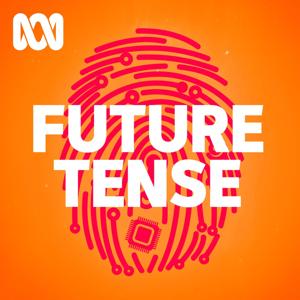


They were once the very symbol of modernity, but over the past eighty years, Airships have become objects of curiosity and nostalgia. Now, several new airship ventures look likely to put the zip back into zeppelins. Also, why our bones could be the greatest barrier to colonising Mars.
Agromining is a new process for extracting large quantities of metals such as cobalt and nickel from the sap and leaves of rare plants known as hyperaccumulators. Australian scientists have already established a test farm in Malaysia and it’s hoped the technology will one day provide poor communities with a new source of income, while also helping to rehabilitate former mining sites. Also, why do some people get sick after using Virtual Reality and is that holding back the technology? And a new approach to data storage and processing called Edge Computing.
Scientists have perfected a system for better sampling animal DNA in the wild. The new process promises a less-invasive way of measuring biodiversity. We also look at the predictive powers of animals and how tracking their movements enmass could help foretell impending disasters. And how remote health monitoring technology can help wildlife and livestock.
How is our sense of identity changing as our online and offline experiences increasingly merge? What grounds a person’s online persona (or personas) to the physical world? And is such a tie important?
Net Zero isn’t just a climate target, it’s become a badge of commitment in the global effort to bring down Greenhouse Gas emissions. But its real worth is debateable, with some environmentalists and climate scientists arguing it’s now an impediment to genuine change. Treating Net Zero as an end in itself, they say, has to stop.
It’s not enough to be smart. If you’re to avoid being automated out of a job in future, you’ll need to develop your Emotional Intelligence. New research suggests more and more companies see an organisational benefit in promoting such skills. But is the rhetoric being backed up with training? Also, a reality check on the “great resignation” - has the pandemic really spawned a new era of job mobility?
We examine the role algorithms play in limiting free-speech; we hear about the development of bacteria-driven lighting in France; we explore how the shape of our cities can influence weather patterns; and we learn about new research that applies a chemical approach to the simulation of touch.
It’s time to attack the “supply side” of fossil fuels, activists argue. And the best way to do that is by establishing a fuel non-proliferation treaty similar to the one used for nuclear weapons. But what would it entail and could it ever work? Also, the sticky relationship between online personalisation and consent; and a call for CEOs to become the next target of automation.
The Future is Public is a global campaign aimed at creating a new narrative around public service. It’s about curbing the dominance of Neoliberalism in public policy. While in Australia, there are expectations the new government in Canberra will decrease the use of external consultants and make changes to the way government departments and agencies operate.
Urban life has not only reshaped what it means to be human, cities are also changing animals. Rats in different parts of New York are evolving separately. Ecologist Rob Dunn describes cities as accelerators of evolution. Also in this episode, how city administrators compete for dominance using the same approach as social media influencers. And why house-flipping has gone algorithmic.
From the publisher's feed
202 Listeners
99 Listeners
119 Listeners

89 Listeners

21 Listeners

45 Listeners

27 Listeners

1,738 Listeners

774 Listeners

759 Listeners

132 Listeners
22 Listeners
63 Listeners
42 Listeners

159 Listeners

314 Listeners

1,104 Listeners

10 Listeners

195 Listeners

114 Listeners

233 Listeners

1,008 Listeners

67 Listeners