
Sign up to save your podcasts
Or

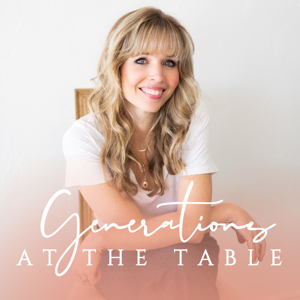


What do you do when your family doesn’t understand your spiritual growth? As we journey through the Hebrew month of Cheshvan, discover how to break old patterns, establish healthy boundaries, and give the people you love time to adjust without going backward.
In this episode of Generations at the Table, Megann Marcellino explores what happens when God changes your heart and that change begins reshaping your relationships. From honoring Shabbat and embracing biblical rhythms to responding differently in marriage and family life, lasting transformation takes patience, consistency, grace, and truth.
Through the stories of Zacchaeus and the Apostle Paul, along with honest examples from her own marriage and family, Megann shares how to:
• Stay faithful when others still see the old version of you.
• Choose obedience to God over people pleasing.
• Set boundaries with love instead of anger.
• Let your conduct reflect your faith without pressuring others.
• Repent, repair, and return when you fall into an old pattern.
• Build a legacy of faith that impacts future generations.
The Hebrew Calendar offers a meaningful framework for carrying the spiritual lessons of the fall feasts into everyday life. Cheshvan invites us to practice the habits that sustain growth after the celebrations end.Generations at the Table explores the Jewish roots of Christianity through faith in Yeshua, Jesus the Messiah.
Megann helps take the scary out of Jewish roots, offering Christians a welcoming bridge between biblical understanding and everyday faith.
What is one change God is growing in you that others are still learning to understand? Share what you feel comfortable sharing in the comments.
Subscribe and pull up a seat for more conversations about the Hebrew months, spiritual growth, and building a legacy of faith.
The Hebrew month of Cheshvan asks a powerful question: Will what you experienced with God become how you live? If God is doing a new thing, why do we keep returning to old habits?
In this episode of Generations at the Table, Megann Marcellino explores the Hebrew Calendar and its spiritual significance through the transition from Tishrei’s fall feasts into Cheshvan’s ordinary days. After Rosh Hashanah, Yom Kippur, and Sukkot, the invitation is to carry what God began into our homes, relationships, and daily routines.
Through Isaiah 43, Noah’s new beginning, Joseph’s story, and a warning from King Jeroboam, Megann explores how faith, obedience, and consistent action help us steward a new season.
In this conversation:
Why new beginnings can feel uncomfortable
How old habits keep us recreating the past
The difference between spiritual discipline and striving for perfection• What Joseph and Manasseh teach us about moving beyond past hurt
How convenience can pull us away from obedience
How Shabbat and daily time with God create meaningful rhythms.
As we walk into Hebrew year 5787, this is an invitation to build a life that supports what God is growing in you. “Don’t chase the next encounter. Build a life that can carry the last one.”
Generations at the Table helps take the scary out of Jewish roots, offering Christians an approachable bridge to the Jewish roots of our faith and a deeper walk with Jesus.
What is one daily habit you want to change to support what God is doing in your life? Share in the comments, and subscribe for more conversations about faith, family, and the Hebrew Calendar.
Are Christian rituals biblical, or can repeated spiritual practices actually get in the way of a relationship with God?
In this episode of Generations at the Table, Megann Marcellino explores the difference between empty religious ritual and biblical rhythms that continually point us back to the heart of God.
From Shabbat and Sukkot to the Feasts of the Lord and the Hebrew calendar, Scripture is filled with rhythms, patterns, and repeated practices. But these practices were never meant to become a substitute for relationship. They were meant to create space for remembrance, obedience, rest, worship, and dwelling in God’s presence.
Megann looks at Jesus’ words in Matthew 23, Paul’s teaching in Colossians 2:16-17, the Jewish roots of Jesus’ own life, and the question Christians still wrestle with today: If salvation is by grace, what role should obedience, spiritual disciplines, and biblical rhythms have in our lives?
The answer is not legalism. And it is not abandoning every outward practice.
The question is what those practices are forming inside of us.
If you have ever wondered about Shabbat, the biblical Feasts, the Hebrew calendar, or how Christians can explore the Jewish roots of their faith without turning them into works or religious obligation, this conversation will help take the scary out of Jewish roots and bring the focus back where it belongs: Jesus, relationship, and the presence of God.
The ritual is not the destination. His presence is.
What rhythm in your own life helps you slow down and return your attention to God?
What is Sukkot, and why does the Feast of Tabernacles matter for Christians today?
Just five days after Yom Kippur, the biblical calendar makes a remarkable shift. After awakening, repentance, cleansing, and atonement, God invites His people to rejoice, gather the harvest, remember His provision, and dwell with Him.
In this episode of Generations at the Table, Megann Marcellino explores the biblical meaning of Sukkot 5787, also known as the Feast of Tabernacles, Feast of Ingathering, and the Season of Our Joy. You'll discover why repentance was never meant to be the final destination, what the temporary sukkah teaches us about trusting God in uncertain seasons, and why our security cannot ultimately be found in our finances, careers, plans, relationships, or circumstances.
Megann also explores the powerful connection between Sukkot, our identity as sons and daughters of the King, being seated with Messiah, Zechariah 14, the gathering of the nations, the prophetic harvest, and the One New Man.
Sukkot reminds us that we do not have to wait for every battle to disappear before we can dwell in God's presence. We can rejoice because we know who sits on the throne.
Whether you have celebrated Sukkot for years or are just beginning to explore the Hebrew Calendar and the Jewish roots of your Christian faith, this conversation will help you understand the heart behind this biblical feast and how you can honor its message with your family.
Generations at the Table exists to help Christians understand the Jewish roots of their faith and take the scary out of the Hebrew Calendar by bringing these biblical rhythms back to one central invitation: deeper relationship with Yeshua.
This Sukkot, pull up a seat. Remember His provision. Rejoice in His faithfulness. And dwell with the King.
What is God asking you to leave behind before entering 5787? Yom Kippur, the Day of Atonement, is one of the most significant appointed times on the Hebrew Calendar.
For believers in Yeshua, it is not about earning forgiveness, salvation, or atonement through our works. Through the sacrifice of Jesus, we have access to the Father and forgiveness at any time. But Yom Kippur gives us something many of us desperately need: an intentional moment to stop, examine our hearts, humble ourselves, repent, reconcile, and ask God what needs to change.
In this episode of Generations at the Table, Megann Marcellino explores the biblical pattern found in the story of King Hezekiah in 2 Chronicles 29. When Hezekiah reopened the doors of the Temple, the priests first had to remove the rubbish before worship could be restored. That creates a powerful question for us today: What needs to come out of the temple before it can be consecrated?
As temples of the Holy Spirit, there may be offense, unforgiveness, bitterness, fear, pride, disobedience, idolatry, or even generational patterns that we have carried for so long that they have begun to feel normal.
But inheritance does not have to become destiny. As we prepare our hearts for 5787, Yom Kippur gives us an opportunity to allow the Lord to search us, cleanse us, restore godly patterns, and bring our lives back into alignment with His purposes. This is not an invitation to shame. It is an invitation to relationship.
What are you unwilling to carry into 5787? Join Megann as we explore Yom Kippur, repentance, the Days of Awe, the biblical feasts, generational transformation, and the Jewish roots of our Christian faith.
As we approach Rosh Hashanah 5787 and the beginning of a new year on the Hebrew Calendar, what if the most important thing you establish isn't another goal, but a godly pattern?
In this episode of Generations at the Table, Megann Marcellino looks at the story of King Hezekiah in 2 Chronicles 29 through 31 and the powerful pattern he established at the beginning of his reign.
Before pursuing results, Hezekiah opened the doors of the house of the Lord, restored worship, consecrated the people, reestablished biblical rhythms, and put God's house first.What followed was restoration, unity, provision, abundance, and eventually the strength to stand when opposition came.
As we enter Rosh Hashanah and the Hebrew year 5787, this is an opportunity to pause and ask:
What has gotten out of order?
What patterns need to be restored?
Where is God asking you to return to worship, prayer, gathering, generosity, obedience, rest, repentance, or consecration?
Megann also explores the spiritual significance of Rosh Hashanah as a threshold into a new season, the importance of examining the previous year before establishing patterns for the next one, and why seeking God's face must always come before seeking what is in His hand.
You'll also discover practical ways to honor Rosh Hashanah as a family, including gathering around the table, blessing your children, discussing forgiveness and repentance, giving, and intentionally preparing your heart for the year ahead.
Before asking what you want to accomplish in 5787, ask a different question:What pattern is God asking you to establish?
Because the pattern prepares us for the promise.
What does the Hebrew month of Tishrei reveal about entering a new season with God? In this episode of Generations at the Table with Megann Marcellino, discover the spiritual significance of Tishrei on the Hebrew Calendar and the invitation it gives us to release the past, realign our lives, seek the face of God, and dwell in His presence.
After the preparation and repentance of Elul comes a new question: How will you live differently in the season ahead? Megann explores the biblical and spiritual themes surrounding Tishrei, including the Fall Feasts of Rosh Hashanah, Yom Kippur, and Sukkot, the Hebrew letter Lamed, the tribe of Ephraim, and Joseph's powerful declaration that God made him fruitful even in the land of his affliction. You'll discover why difficult seasons do not have to be fruitless seasons, why obedience should flow from covenant and love rather than fear, and why our daily decisions should reflect what we say we believe.
Tishrei invites us to examine our priorities, relationships, finances, health, habits, words, and spiritual lives and ask: Am I truly living in alignment with what God is speaking? Most importantly, this month reveals a beautiful biblical pattern from creation to redemption: God has always desired to dwell with His people. Repentance is not the destination. His presence is.
As you enter this new season, what is God asking you to release? Where is He asking you to realign? And will you accept the invitation to abide, linger, and dwell with the King? The episode's emphasis on release, alignment, fruitfulness during affliction, and dwelling with God comes directly through the teaching.
Could you know Scripture, long for the Messiah, and still miss Him when He is standing right in front of you? In this episode of Generations at the Table with Megann Marcellino, Megann explores why many of the Pharisees and Sadducees failed to recognize Jesus, Yeshua, as Messiah, and what their response reveals about our own hearts today. During the Hebrew month of Elul, the Hebrew Calendar gives us a powerful spiritual invitation: “The King is in the field.”
God draws near, but His presence raises an important question: Will we recognize Him if He moves differently than we expected? Through the responses of the Pharisees, Sadducees, and Essenes, Megann examines three spiritual traps that can quietly keep us from recognizing what God is doing: control, religious legalism, and withdrawal.
The Sadducees fought to preserve their position and control. The Pharisees often emphasized outward obedience without the inward transformation Yeshua desired. Others withdrew from society altogether. Each response challenges us to examine whether fear, pride, expectations, church hurt, religious tradition, or the desire to be right has taken the place of surrender and relationship with God.
Drawing from John 11, Matthew 15, Matthew 5, and Philippians 3, Megann contrasts outward religion with the inward transformation of the heart. She also shares a deeply personal family testimony about discovering the difference between simply following a biblical pattern and experiencing that same pattern through covenant, relationship, and spiritual understanding.
As we move through Elul and prepare for the Fall Feasts of the Lord, this is an invitation to examine our hearts, release control, repent of pride, remain teachable, and seek the Father more deeply. The goal is not religious performance. It is to know Him, recognize Yeshua, and allow our lives to reflect His heart from the inside out.
Ask yourself: Am I more committed to what I expect God to do, or am I willing to recognize and follow Him when He moves differently?
What if the season that feels hidden, formless, or unfinished is actually where God is beginning something new?
In this episode of Generations at the Table with Megann Marcellino, Megann explores the Hebrew Calendar and the spiritual significance of the Hebrew month of Elul, a season of preparation, returning to God, and making room for what He desires to create in the year ahead.
Elul carries the beautiful reminder that “the King is in the field”: God draws near and invites His people into deeper relationship, listening, repentance, and preparation.
Drawing from Jewish tradition surrounding the 25th of Elul and the beginning of creation, Megann considers how God often starts His greatest works in hidden places long before we can see the finished picture.
She also explores tohu va-vohu, the formless and void beginning described in Genesis, and the Hebrew letter Yod, a picture of the small beginning from which something greater can be formed.As we prepare for 5787 and the month of Tishrei, this conversation is an invitation to slow down, hear God’s voice, release unforgiveness and old wounds, and prepare both spiritually and practically for the Fall Feasts of the Lord, Rosh Hashanah, Yom Kippur, and Sukkot.
Megann also shares how families can create tangible rhythms that help children understand and experience the significance of these biblical seasons.If you cannot yet see what God is doing, don’t mistake hiddenness for inactivity.
Before God reveals something new, He often prepares the heart that will carry it.
What if God isn’t asking you to do more, but inviting you to come closer?
The Hebrew month of Elul is known as a month of preparation, awakening, returning, and repentance. It carries a powerful picture: the King is in the field.
Rather than waiting for us to approach Him, the King comes near and invites us into His presence.
In this episode of Generations at the Table, Megann Marcellino explores the prophetic significance of Elul and how this season prepares our hearts for the fall feasts of Rosh Hashanah, Yom Kippur, and Sukkot.
This isn’t about legalism, striving, or trying to become perfect.
It’s about relationship, repentance, restoration, intimacy, and becoming present to God. Megann unpacks the daily sounding of the shofar, the biblical meaning of repentance and teshuvah (returning), Psalm 27, the mercy represented by the second tablets, and the invitation to prepare our hearts for what God wants to reveal in the season ahead.
If you’ve felt spiritually distracted, routine, or asleep in certain areas of your life, Elul offers a timely invitation:
Wake up. Return. Draw near. The King is in the field.
Pull up a seat and join the conversation.
From the publisher's feed
Balancing faith and family in a modern world.
1,275 Listeners

509 Listeners

6,559 Listeners

36 Listeners
2,712 Listeners

2,075 Listeners

540 Listeners