
Sign up to save your podcasts
Or

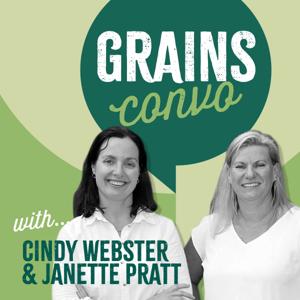


Host: DPIRD research agronomist Janette Pratt
Guest Speaker: DPIRD research scientist Dr Gaus Azam and Director of Western Crop Genetics Alliance professor Chengdao Li
In this episode of Grains Convo, Janette Pratt hosts DPIRD research scientist Dr Gaus Azam and Chengdao Li, Director of Western Crop Genetics Alliance professor, as they delve into the latest research and findings in relation to acid tolerance in chickpeas, and the significant benefits for growers.
Soil acidity limits the yields chickpea and the annual loss is estimated at $1.5 billion, a major constraint in WA.
Gaus and Chengdao explore the results of a recently completed project looking at acid tolerance in chickpeas, explaining how chickpea pre-breeders will soon have access to chickpea germplasm with confirmed acid soil tolerance and associated genomic data suitable for field evaluation, further genetic dissection and the development of breeding resources and tools.
Click here for DPIRD’s grains convo newsletter on accelerating the development of chickpea with enhanced acid soil tolerance
Host: DPIRD research agronomist Janette Pratt
Guest Speaker: DPIRD research scientist Tom Edwards
In this episode of Grains Convo, Janette Pratt hosts DPIRD research scientist Tom Edwards and delves into the impact strategic deep tillage has on herbicide toxicity.
Tom explores how strategic deep tillage can ameliorate soil constraints and lift production but can also have an impact on the way soil applied herbicides work on these modified soils. Drawing from his research in this area, Tom discusses how different herbicides behave on strategic deep tilled soils and some actionable strategies for dealing with these changes.
Episode Links:
Click here for DPIRD’s grains convo newsletter on Mitigating pre-emergent herbicide damage on ameliorated soils
Click here for Soil and Tillage Research journal article
Host: DPIRD research agronomist Janette Pratt
Guest Speakers: DPIRD research scientist Martin Harries and development officer Dayna Hutchinson
In this episode of Grains Convo, Janette Pratt hosts DPIRD research scientist Martin Harries and development officer Dayna Hutchinson, who delve into DPIRD's Western Australia Farming Systems Project.
Martin sheds light on the evolving farming systems in WA's low and medium rainfall areas, highlighting the shift towards intensive cropping and reduced pasture. Listeners discover how the project aims to evaluate the consequences of these changes on nitrogen use efficiency, water use efficiency, and greenhouse gas emissions.
Dayna emphasises the project's collaboration with growers and consultants, ensuring its findings and recommendations are applicable and beneficial for farmers. Tune in to gain insights into sustainable farming practices in WA.
Episode Links:
Click here for DPIRD’s webpage on the Western Australia Farming systems project.
Click here for GRDC Research updates paper ‘Improving farming system profitability, management of greenhouse gas emissions and climate resilience in the low and medium rainfall zones of WA: Grower perspectives.
Host: DPIRD research agronomist Cindy Webster
Guest Speaker: DPIRD principal research scientist Paul Findlater and DPIRD research scientist Bindi Isbister
In this episode of Grains Convo, DPIRD research scientists Paul Findlater and Bindi Isbister join Cindy Webster and delve into the causes and consequences of wind erosion, with a specific focus on why Western Australia is susceptible to this risk.
They discuss how recent changes in farming practices may inadvertently contribute to an increase in wind erosion. Drawing from their extensive research and expertise, Paul and Bindi, also discuss actionable strategies for WA growers to combat and reduce wind erosion effectively.
Episode Links:
Click here to view DPIRD’s webpage on managing wind erosion in southern WA.
Host: DPIRD research scientist Cindy Webster
Guest Speakers: DPIRD entomologist Svetlana Micic
In this episode of Grains Convo, DPIRD entomologist Svetlana Micic joins Cindy Webster to talk about why growers should consider beneficial insects when spraying.
Svetlana discusses what a beneficial insect is and how growers can make sure they’re correctly identifying the helpful critters.
She also tells us what can happen if beneficial insects are sprayed with broad spectrum insecticides and what tools are available to make sure the best option for specific pests are being used on crops.
Episode Links:
Click here for DPIRD’s webpage on what beneficals look like.
Click here for the PestFacts WA Reporter app.
Click here for DPIRD’s insecticide spray guides for crops in WA.
Click here for Cesar Australia’s Australian grains chemical toxicity table.
Host: DPIRD research agronomist Cindy Webster.
Guest Speakers: DPIRD research scientist Dr Dusty Severtson, research scientist Dr Catherine Borger and plant pathologist Geoff Thomas.
In this episode of Grains Convo, DPIRD's crop protection team leaders join Cindy Webster to discuss how below average summer rain and drier start to the season impact pests, weeds and diseases.
Catherine tells us how a dry start influences weed emergence and explains why small rainfall events allow weeds to emerge without activating the herbicide.
Geoff discussed why a limited green bridge impacts disease inoculum carryover and if the diseases to be worried about this season have changed.
Dusty explains why some pests will be reduced and how cooler daytime temperatures impacts pests, particularly RLEM.
Episode Links:
Click here for more information on the carryover and behaviour of residual herbicides in dry conditions.
Click here to share what diseases and insects you are finding or request identifications via the PestFacts WA Reporter app.
Click here to access DPIRD's disease management apps.
Click here for Cesar Australia’s online red legged earth mite hatch timing tool.
Click here to subscribe to the PestFacts WA newsletter.
Click here to subscribe to the Protecting WA Crops newsletter.
Host: DPIRD research agronomist Janette Pratt
Guest Speakers: DPIRD research scientist Dr Meredith Guthrie and Bureau of Meteorology senior meteorologist Jonathan How.
In this episode of Grains Convo, Dr Meredith Guthrie and Bureau of Meteorology senior meteorologist Jonathan How join Janette Pratt to talk about the climate tools available to growers to help with their decisions on-farm during the season.
Meredith tells us about DPIRD’s weather stations and monthly Seasonal Climate Outlook newsletter, which contains useful maps on rainfall, soil moisture, frost, heat, wind, etc.
Jonathan provides a bit of a science lesson on what a climate model is, how BoM creates its ACCESS–S model and what factors lead to a forecast sometimes missing the mark.
Together, they talk about what Mother Nature currently has in store for the South West Land Division in 2023.
Episode Links:
Click here to view the DPIRD weather stations.
Click here to subscribe to DPIRD's Seasonal Climate Outlook newsletter.
Click here to learn more about BoM's Forewarned is Forearmed project.
Host: DPIRD research agronomist Cindy Webster
Guest Speakers: DPIRD research scientist Alice Butler and soil science portfolio manager Chris Gazey.
In this episode of Grains Convo, DPIRD research scientist Alice Butler and soil science portfolio manager Chris Gazey join Cindy Webster to talk about the practice of liming.
Alice has spent the past three years working on a project looking at soil acidity in the Avon River Basin and has been updating our knowledge on soil pH which was originally studied by Chris in the early 2000s.
Together, they talk about how liming changes soil acidity over the course of two decades and discuss the difference mechanical tillage can make on how quickly lime incorporates into the subsoil.
Episode Links:
Click here to download the iLime app.
Host: DPIRD research agronomist Cindy Webster
Guest Speakers: DPIRD nematologist Sarah Collins and research scientist Wayne Parker.
In this episode of Grains Convo, DPIRD nematologist Sarah Collins and research scientist Wayne Parker join Cindy Webster to talk about the impact of soil amelioration on soilborne pathogens and nematode pests.
Sarah tells us what the difference between pathogens and pests are and explains why they cause issues in particular soils.
Wayne chats about the extsive soil renovation work being conducted by DPIRD and how he's collaborating with the wider crop protection team.
Together, they detail the trials undertaken at Yerecoin, Darkan and Williams to determine which amelioration methods best mitigate the impact of soilborne pathogens and nematode pests.
Some of this work was funded by the Grains Research and Development Corporation (GRDC).
Episode Links:
Click here for more information on nematodes.
Click here for an article on the impacts of mechanical soil amelioration on weeds, soilborne nematode pests and fungal pathogens.
Host: DPIRD research agronomist Janette Pratt
Guest Speakers: DPIRD entomologist Svetlana Micic and Farmanco agronomist Brent Pritchard.
In this episode of Grains Convo, DPIRD entomologist Svetlana Micic and Farmanco agronomist Brent Pritchard join Janette Pratt to talk about red legged earth mite (RLEM).
Svetlana discusses why RLEM is such a problem for WA farmers, what has caused resistance to the pesky pest and exactly how extensive the issue is.
Brent talks about some of the damage and other issues his clients have faced when they have a RLEM problem in their crops.
Together, they detail the alternative control methods that growers could consider, including a potential biological control agent - French Anystis mite.
Episode Links:
Click here for more information on red legged earth mite.
Click here for Cesar Australia's RLEM hatch tool.
From the publisher's feed
The Grains Convo podcast shares independent insights from DPIRD’s research - and a look at the work shaping the future of farming in WA - to help you think through your options and plan ahead with…

227,498 Listeners

1,045 Listeners
0 Listeners
1 Listeners

17 Listeners

2,267 Listeners
0 Listeners