
Sign up to save your podcasts
Or



Based on Podcast App listening data
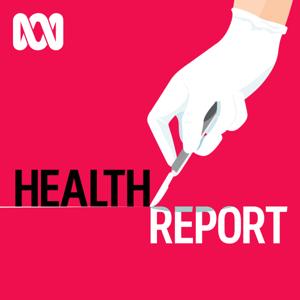
In health news Norman and Tegan discuss changes in the health system for medical termination of pregnancy; and about life span vs life expectancy in Australia.
Alongside MDMA and psilocybin as treatments for mental health issues is ketamine—which shows promise in treatment-resistant depression.
A common fracture in children comes from a fall onto an outstretched arm. Parents instinctively want to get an X-ray but an ultrasound can work just as well for most these cases.
Strength training is fundamental to most athletes' regimes, but the guidelines are overwhelmingly based on male data.
An analysis of labelling on sports foods—things like protein shakes and bars—finds that the nutritional claims they make often don’t tally with the ingredients panel.
Worry about memory loss is not uncommon, and not confined to an older age group, but measuring memory accurately needs refinement.
Many Australians are prescribed opioids as relief for back pain, but the a world-first trial led by the University of Sydney found that opioids don't offer significant benefit and guidelines for their use need to be changed.
If dementia is diagnosed before someone is 65 it's called 'younger onset' dementia, and it can occur while people still have family responsibilities. We talk with people who have been given this news, and to researchers looking to improve diagnosis and care.
We think of breastfeeding as being quite natural, but it doesn't always come easily, and issues such as Breastfeeding Aversion Response (or BAR) are still under-researched.
A look at some of the big stories in health over the last week ... cough syrup, Duchenne gene therapy; chemo drugs in the US.
Some new prescribing guidelines for opioids recommend an exit strategy—and the need for better support infrastructure.
It was suspected that brain damage for some people with Parkinson's disease was due to chemical toxins—one of the probable culprits is an environmental contaminant.
Having your tonsils out as a child used to be routine, but what about for adults? British authorities noticed an increase in tonsillectomy rates—which prompted a clinical trial to see if the surgery was merited.
A recent bus crash in the Hunter Valley claimed 10 lives. Trying to make sense of such tragic events often prompts a reach for advice that sounds right, but might not be.
Therapy using psychedelic drugs is generally safe yet a review of its use found that adverse events were not properly assessed or not reported.
In Canada cannabis was legalised 5 years ago for non-medical and recreational use. Public health researchers have asked if this legalisation had health impacts on mothers and their babies if it was used during pregnancy—and how those babies were affected.
An Australian clinical trial found that a form of psychotherapy called Cognitive Functional Therapy could help people with chronic disabling low back pain.
Bringing clarity to health and medical issues from social, scientific and political points of view.
A recent study has looked at correlations between rates of (Australian) population obesity and searching online for anti-obesity and diabetes drugs—searches for a class of drugs called the GLP-1 agonists.
You probably know the Australian Government has general exercise recommendations for adults, but what if you're in a high risk group? Does that change the amount of activity you should be doing?
Peripheral arterial disease (PAD) is perhaps the ‘poor cousin’ of cardio-vascular disease. PAD puts people at risk of heart attack, stroke and amputations, and a really disturbing review of what's known about it in women finds it to be underdiagnosed and undertreated.
A new kind of ADHD clinic is cashing in on surging demand for diagnoses — and promising salaries of more than $900,000 to recruit psychiatrists.
The World Health Organisation has advised against artificial sweeteners for weight loss because they offer no long-term benefits.
Australian research has found a link between diets high in ultra-processed foods and an increase in risk of depression.
Healthcare is a large greenhouse gas emitter, but how do we reduce its environmental impact without compromising on health?
The U.S. Food and Drug Administration (FDA) have voted that when they meet formally at the end of May, approval goes forward for a treatment for Duchenne muscular dystrophy—a disabling genetic disease.
Post partum depression is a significant issue for both women and their babies, and it doesn't come out of the blue—depression can occur before or during pregnancy.
Child neglect leads to both later poor physical health—with things like inflammation—and mental health, such as depression.
Would you wear protective eyewear to play tennis, badminton or Aussie Rules?
From the publisher's feed
Ranked by our users in the last 21 days

105 Listeners
63 Listeners

120 Listeners
69 Listeners

91 Listeners

1,736 Listeners

799 Listeners

755 Listeners
67 Listeners

58 Listeners

65 Listeners

313 Listeners

1,069 Listeners

149 Listeners

8 Listeners

194 Listeners

114 Listeners

237 Listeners

1,008 Listeners

48 Listeners

55 Listeners
115 Listeners