
Sign up to save your podcasts
Or



In this episode, Dr. E answers a question about universalism, free will, and predestination. Scripture says God desires all to come to repentance (2 Peter 3:9; 1 Timothy 2:4). But Jesus also says many take the wide path to destruction. So how do we reconcile those truths?
Does God’s will fail?
Are we given the option to accept or reject salvation?
If God is omnipotent, why doesn’t He save everyone?
Does He desire salvation for all but prioritize something else — like justice or glory?
Dr. Easley explains the difference between God’s sovereign will and the universal call to salvation. He walks through key passages like Ephesians 1, John 6, and Romans 9 and addresses the tension between divine sovereignty and human responsibility.
Rather than forcing a philosophical solution, Dr. Easley encourages believers to hold both biblical truths faithfully. From our limited perspective, we see tension. From God’s eternal perspective, His will is perfect.
If you’ve wrestled with election, predestination, Calvinism, Arminianism, or the question “Why aren’t all saved?” — this episode is for you.
Chapters
00:00 – The Question: If God Wants All Saved, Why Aren’t All Saved?
01:30 – What Does “Rectify” Mean?
02:00 – Election in Ephesians 1
03:00 – God Desires All to Repent (2 Peter 3; 1 Timothy 2)
04:00 – The Will of the Father (John 6:40)
05:00 – Sovereignty, Free Will, and Tension
06:00 – Romans 9 and the Character of God
08:00 – Why This Doctrine Applies to Believers
Key Topics Discussed
-Election and predestination in Scripture (Ephesians 1:4–5)
-God’s desire that all come to repentance (2 Peter 3:9; 1 Timothy 2:4)
-Why most will not be saved (the wide vs. narrow path)
-The difference between universal salvation and the universal call to salvation
-God’s sovereign will vs. human responsibility
-The meaning of “antinomy” — holding two true tensions in Scripture
-John 6:40 and the will of the Father
-Romans 9 and careful interpretation of hard passages
-Unlimited atonement vs. limited atonement
-Why election applies to believers, not unbelievers
-The character of God — not capricious, but holy, just, and merciful
-Why some theological tensions cannot be fully resolved from a human perspective
Find more episodes of Ask Dr. E here.
If you've got a question for Dr. Easley, call or text us your question at 615-281-9694 or email at [email protected].
 View all episodes
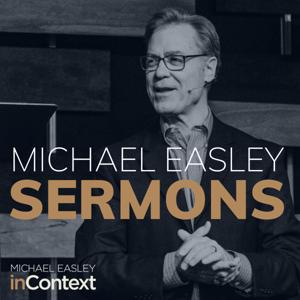
 By Michael Easley

4.8
6969 ratings
In this episode, Dr. E answers a question about universalism, free will, and predestination. Scripture says God desires all to come to repentance (2 Peter 3:9; 1 Timothy 2:4). But Jesus also says many take the wide path to destruction. So how do we reconcile those truths?
Does God’s will fail?
Are we given the option to accept or reject salvation?
If God is omnipotent, why doesn’t He save everyone?
Does He desire salvation for all but prioritize something else — like justice or glory?
Dr. Easley explains the difference between God’s sovereign will and the universal call to salvation. He walks through key passages like Ephesians 1, John 6, and Romans 9 and addresses the tension between divine sovereignty and human responsibility.
Rather than forcing a philosophical solution, Dr. Easley encourages believers to hold both biblical truths faithfully. From our limited perspective, we see tension. From God’s eternal perspective, His will is perfect.
If you’ve wrestled with election, predestination, Calvinism, Arminianism, or the question “Why aren’t all saved?” — this episode is for you.
Chapters
00:00 – The Question: If God Wants All Saved, Why Aren’t All Saved?
01:30 – What Does “Rectify” Mean?
02:00 – Election in Ephesians 1
03:00 – God Desires All to Repent (2 Peter 3; 1 Timothy 2)
04:00 – The Will of the Father (John 6:40)
05:00 – Sovereignty, Free Will, and Tension
06:00 – Romans 9 and the Character of God
08:00 – Why This Doctrine Applies to Believers
Key Topics Discussed
-Election and predestination in Scripture (Ephesians 1:4–5)
-God’s desire that all come to repentance (2 Peter 3:9; 1 Timothy 2:4)
-Why most will not be saved (the wide vs. narrow path)
-The difference between universal salvation and the universal call to salvation
-God’s sovereign will vs. human responsibility
-The meaning of “antinomy” — holding two true tensions in Scripture
-John 6:40 and the will of the Father
-Romans 9 and careful interpretation of hard passages
-Unlimited atonement vs. limited atonement
-Why election applies to believers, not unbelievers
-The character of God — not capricious, but holy, just, and merciful
-Why some theological tensions cannot be fully resolved from a human perspective
Find more episodes of Ask Dr. E here.
If you've got a question for Dr. Easley, call or text us your question at 615-281-9694 or email at [email protected].
8,641 Listeners

3,753 Listeners

177 Listeners

1,658 Listeners

196 Listeners

21,184 Listeners
5,423 Listeners

5,369 Listeners
1,216 Listeners

1,108 Listeners

954 Listeners

4,381 Listeners

2,845 Listeners

1,113 Listeners
33 Listeners