
Sign up to save your podcasts
Or

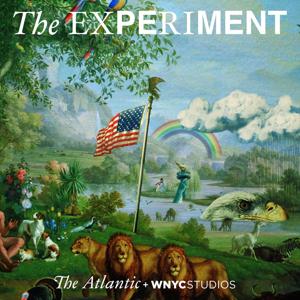

These days, everyone assumes that this is just a fact of life: Evangelicals are Republicans, and Republicans are evangelicals. The powerful alliance culminated in the 2016 election of Donald Trump, tying the reputation of Christianity in America to the Trump brand—maybe permanently.
It wasn’t always like this. One man—a political operative from Georgia named Ralph Reed—devised a plan to harness the energy of young Christians and turn them into America’s most powerful voting bloc, one church mailing list at a time. Decades later, when Donald Trump came on the political scene, Reed knew he would be big—and convinced his fellow evangelicals that they should give him a shot.
Trump’s election was everything Reed spent his entire career fighting for: a president who was anti–abortion rights, listened to evangelical leaders, and advocated for Christians who felt pushed out of the public square. But Reed’s victory had a cost. Many, many Christians have come to feel that their church cares more about politics than Jesus. They have spoken out. They have grieved. And some of them have left.
This week on The Experiment, we have the first episode in a two-part series: Meet the man who turned a disparate group of evangelicals into America’s most powerful voting bloc and invented the evangelical political brand. Then join us next week for Part 2, when we’ll look at the human cost of political victory—a cost that might ultimately be very high.
Further reading: “A Christian Insurrection”
Be part of The Experiment. Use the hashtag #TheExperimentPodcast, or write to us at [email protected].
This episode was produced by Katherine Wells and Alvin Melathe, with reporting by Emma Green. Editing by Julia Longoria, Tracie Hunte, and Emily Botein. Fact-check by William Brennan. Sound design by David Herman.
Music by Parish Council (“Looking for Tom Putt,” “Leaving the TV on at Night,” “Mopping”), Ob (“Ere”), Keyboard (“Staying In”), R McCarthy (“Big Game”), H Hunt (“Journeys”), and Infinite Bisous (“Brain”); provided by Tasty Morsels. Additional music by Lorne David Roderick Balfe (“Petrify (b)”). Additional audio from Warner Bros. Pictures, Access Hollywood, C-SPAN, UCLA’s communications-studies department, and The 700 Club.
Hosted by Simplecast, an AdsWizz company. See pcm.adswizz.com for information about our collection and use of personal data for advertising.
 View all episodes
 By The Atlantic and WNYC Studios

4.2
28192,819 ratings
These days, everyone assumes that this is just a fact of life: Evangelicals are Republicans, and Republicans are evangelicals. The powerful alliance culminated in the 2016 election of Donald Trump, tying the reputation of Christianity in America to the Trump brand—maybe permanently.
It wasn’t always like this. One man—a political operative from Georgia named Ralph Reed—devised a plan to harness the energy of young Christians and turn them into America’s most powerful voting bloc, one church mailing list at a time. Decades later, when Donald Trump came on the political scene, Reed knew he would be big—and convinced his fellow evangelicals that they should give him a shot.
Trump’s election was everything Reed spent his entire career fighting for: a president who was anti–abortion rights, listened to evangelical leaders, and advocated for Christians who felt pushed out of the public square. But Reed’s victory had a cost. Many, many Christians have come to feel that their church cares more about politics than Jesus. They have spoken out. They have grieved. And some of them have left.
This week on The Experiment, we have the first episode in a two-part series: Meet the man who turned a disparate group of evangelicals into America’s most powerful voting bloc and invented the evangelical political brand. Then join us next week for Part 2, when we’ll look at the human cost of political victory—a cost that might ultimately be very high.
Further reading: “A Christian Insurrection”
Be part of The Experiment. Use the hashtag #TheExperimentPodcast, or write to us at [email protected].
This episode was produced by Katherine Wells and Alvin Melathe, with reporting by Emma Green. Editing by Julia Longoria, Tracie Hunte, and Emily Botein. Fact-check by William Brennan. Sound design by David Herman.
Music by Parish Council (“Looking for Tom Putt,” “Leaving the TV on at Night,” “Mopping”), Ob (“Ere”), Keyboard (“Staying In”), R McCarthy (“Big Game”), H Hunt (“Journeys”), and Infinite Bisous (“Brain”); provided by Tasty Morsels. Additional music by Lorne David Roderick Balfe (“Petrify (b)”). Additional audio from Warner Bros. Pictures, Access Hollywood, C-SPAN, UCLA’s communications-studies department, and The 700 Club.
Hosted by Simplecast, an AdsWizz company. See pcm.adswizz.com for information about our collection and use of personal data for advertising.

90,994 Listeners

43,898 Listeners

38,062 Listeners

38,856 Listeners

21,593 Listeners
26,197 Listeners

9,237 Listeners
1,571 Listeners

8,454 Listeners
6,892 Listeners

473 Listeners

3,654 Listeners
12,704 Listeners

14,444 Listeners

6,435 Listeners
1,541 Listeners

3,505 Listeners

2,801 Listeners
4,001 Listeners
1,405 Listeners
1,196 Listeners
5,575 Listeners

5,767 Listeners
421 Listeners

16,399 Listeners
2,306 Listeners
1,736 Listeners

644 Listeners
1,973 Listeners

239 Listeners
20 Listeners
15 Listeners