
Sign up to save your podcasts
Or

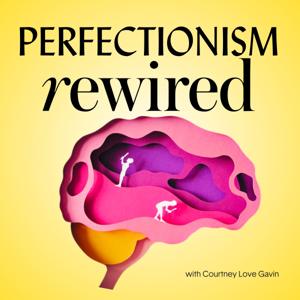

What if feeling your feelings didn’t mean falling apart...but actually gave you more control, not less? If white knuckling or pushing through is the best way you know how to feel your feelings. You’re not alone! Discover the hidden mistake keeping perfectionists stuck feeling on edge, why you can never outthink your feelings and the right way to feel your feelings.
Other helpful podcast episodes in this series on How Your Brain Actually Works:
00:00-Your thoughts create your feelings LIE #1
01:53-Can't Feel Your Feelings Without This
04:14-Knowing how your brain actually works
05:24-"What is Wrong With Me?" Explained
06:37-Feelings Are Psychological LIE #2
07:16-Feelings are Emotions LIE #3
08:56-Where Feelings Actually Come From
10:08-How Depersonalizing Feelings = Freedom
12:46-Turning Mom Meltdown Moments Around (Manon's Story)
14:35-How To Control Your Feelings
16:01-Rational Thinking + Decisions LIE #4
17:32-Striving For Excellence Without Pushing Through
18:29-What Your Person Account Has To Do With Feelings
19:41-How To Identify Your Feelings Fast
21:12-How To Feel Your Feelings Visual Tool
22:33-Why Meditation + Deep Breaths Don’t Always Work
23:58-Thoughts Drive Your Feelings LIES #5
25:57-Perspectacles How Feelings Shape Your Perceptions
28:37-Turning Your Mood into Useful Fuel
30:07-Where Sense Data Fits Into The Equation
How To Feel Your Feelings Q&AQ: Why does “changing my thoughts” never changes my feelings—especially as a perfectionist? A: This episode breaks down the myth that thoughts drive feelings (hint: it’s the other way around!). Discover why “thought work” is a torture device for perfectionidtic people and how the “CTFAR Model” does not actually work for any human with a brain
Q: What’s really going on when I’m overwhelmed by emotions even if everything looks fine on the outside? A: You’ll learn the neurobiological difference between feelings and emotions, plus why this distinction puts an to the cycle of overthinking feelings and asking “what is wrong with me”
Q: What's the biggest misconception overachievers and perfectionists have about feelings?
A: where feelings come from (it's physiological not psych). Courtney Love Gavin reveals lies and what's true according to modern evidence-based science.
Q: How can I feel my feelings without getting “lost” in them or falling apart?
A: Hear play-by-play how Perfectionist Solution's Manon didn't lose her sh!t and get tangible tool so you regain control and function, even on tough days.
Q: Does thinking rationally mean I can escape feelings?
A: There's no such thing as rational thinking. All Human Beings are coded with feelings, NOT to be confused with emotions (completely different). Dying is how you escape feelings.
Q: What’s one quick, practical tweak I can use to feel better fast? A: Host Courtney Love Gavin shares micro-strategies (think 30 secs to 3 mins) you can use asap to change your mood and your experience.
Highly Credible Resources Cited in this Episode View all episodes
 By Perfectionist Solutions

4.9
5151 ratings
What if feeling your feelings didn’t mean falling apart...but actually gave you more control, not less? If white knuckling or pushing through is the best way you know how to feel your feelings. You’re not alone! Discover the hidden mistake keeping perfectionists stuck feeling on edge, why you can never outthink your feelings and the right way to feel your feelings.
Other helpful podcast episodes in this series on How Your Brain Actually Works:
00:00-Your thoughts create your feelings LIE #1
01:53-Can't Feel Your Feelings Without This
04:14-Knowing how your brain actually works
05:24-"What is Wrong With Me?" Explained
06:37-Feelings Are Psychological LIE #2
07:16-Feelings are Emotions LIE #3
08:56-Where Feelings Actually Come From
10:08-How Depersonalizing Feelings = Freedom
12:46-Turning Mom Meltdown Moments Around (Manon's Story)
14:35-How To Control Your Feelings
16:01-Rational Thinking + Decisions LIE #4
17:32-Striving For Excellence Without Pushing Through
18:29-What Your Person Account Has To Do With Feelings
19:41-How To Identify Your Feelings Fast
21:12-How To Feel Your Feelings Visual Tool
22:33-Why Meditation + Deep Breaths Don’t Always Work
23:58-Thoughts Drive Your Feelings LIES #5
25:57-Perspectacles How Feelings Shape Your Perceptions
28:37-Turning Your Mood into Useful Fuel
30:07-Where Sense Data Fits Into The Equation
How To Feel Your Feelings Q&AQ: Why does “changing my thoughts” never changes my feelings—especially as a perfectionist? A: This episode breaks down the myth that thoughts drive feelings (hint: it’s the other way around!). Discover why “thought work” is a torture device for perfectionidtic people and how the “CTFAR Model” does not actually work for any human with a brain
Q: What’s really going on when I’m overwhelmed by emotions even if everything looks fine on the outside? A: You’ll learn the neurobiological difference between feelings and emotions, plus why this distinction puts an to the cycle of overthinking feelings and asking “what is wrong with me”
Q: What's the biggest misconception overachievers and perfectionists have about feelings?
A: where feelings come from (it's physiological not psych). Courtney Love Gavin reveals lies and what's true according to modern evidence-based science.
Q: How can I feel my feelings without getting “lost” in them or falling apart?
A: Hear play-by-play how Perfectionist Solution's Manon didn't lose her sh!t and get tangible tool so you regain control and function, even on tough days.
Q: Does thinking rationally mean I can escape feelings?
A: There's no such thing as rational thinking. All Human Beings are coded with feelings, NOT to be confused with emotions (completely different). Dying is how you escape feelings.
Q: What’s one quick, practical tweak I can use to feel better fast? A: Host Courtney Love Gavin shares micro-strategies (think 30 secs to 3 mins) you can use asap to change your mood and your experience.
Highly Credible Resources Cited in this Episode
1,337 Listeners
12,754 Listeners
163 Listeners

19,524 Listeners