
Sign up to save your podcasts
Or



Based on Podcast App listening data
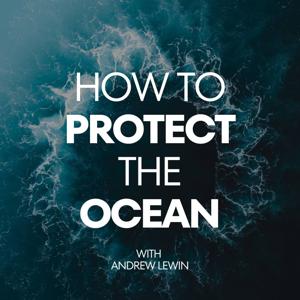
Blue sharks are one of the most beautiful and misunderstood predators in the ocean. In this episode of How to Protect the Ocean, we explore how this sleek, cold water shark can change the way people think about sharks, especially when they see one off the coast of Atlantic Canada.
Blue sharks travel enormous distances, follow ocean conditions, and play an important role in healthy marine ecosystems. They are predators, but they are also ambassadors for a better understanding of sharks. This episode looks at why sharks belong in the ocean, why cold Canadian waters are full of surprising life, and why fear can turn into fascination when people meet the right species.
Support Independent Podcasts: https://www.speakupforblue.com/patreon
Need help with your ocean non-profit, company, or project? Get the help you need with Pisces Oceans Inc.: https://www.piscesoceans.ca Connect with Speak Up For Blue Website: https://bit.ly/3fOF3Wf Instagram: https://bit.ly/3rIaJSG TikTok: https://www.tiktok.com/@speakupforblue Twitter: https://bit.ly/3rHZxpc YouTube: www.speakupforblue.com/youtube
Ocean sunfish are one of the strangest fish on Earth. They can look like a giant floating dinner plate, drift sideways at the surface, and appear almost lifeless, but their strange behaviour is part of an incredible survival strategy.
In this episode of How to Protect the Ocean, Andrew Lewin explores why the mola mola, also known as the ocean sunfish, spends time in cold Canadian waters. These waters may not look tropical or crystal clear, but they are packed with plankton, jellyfish, nutrients, and life. That productivity attracts whales, turtles, seabirds, sharks, and even one of the heaviest bony fish on the planet.
This episode is a reminder that cold water oceans are not boring. They are full of surprises, strange animals, and signs of healthy food webs hiding in plain sight.
High Seas Treaty | Ocean Governance | Marine Protection
How do you protect an ocean that belongs to everyone and no one at the same time?
In this episode of How to Protect the Ocean, Andrew Lewin speaks with Rebecca Hubbard, Director of the High Seas Alliance, about one of the most important ocean agreements in history: the High Seas Treaty.
The high seas cover nearly half of Earth's surface and contain some of the planet's most important ecosystems. Yet for decades, there has been no comprehensive way to create marine protected areas, assess environmental impacts, or coordinate conservation efforts in waters beyond national borders.
Rebecca explains how the treaty came together, why countries are racing to ratify it, what happens once it enters into force, and the challenges of turning a global agreement into real protection. We also discuss marine protected areas, enforcement, biodiversity conservation, and why the next few years could determine the future of ocean governance.
If you've ever wondered who is responsible for protecting the ocean beyond national waters, this episode is for you.
Listen now to learn why the High Seas Treaty could become one of the most important conservation tools of the century.
The High Seas Treaty took nearly 20 years to negotiate, not because countries disagreed that the ocean matters, but because ocean protection becomes much harder when money, power, access, and fairness are involved.
In this episode of How to Protect the Ocean, we look at why protecting the high seas is so politically difficult. From industrial fishing fleets and marine genetic resources to enforcement, ratification, and accountability, this story shows why global ocean conservation is never just about science.
The treaty creates a framework for protecting biodiversity beyond national borders, but the real test is what happens next. Will countries turn the agreement into real action, or will it become another symbolic promise?
High Seas Treaty implementation is now the real test for ocean conservation. The agreement was historic, but the hardest part was never getting countries to celebrate the deal. The real challenge is what happens after the headlines disappear.
In this episode of How to Protect the Ocean, Andrew Lewin looks at whether the High Seas Treaty can actually change anything for biodiversity beyond national waters. The treaty creates a legal pathway for marine protected areas on the high seas, but enforcement, funding, political commitment, and accountability will determine whether those protected areas become meaningful or symbolic.
High seas conservation is not just about drawing lines on a map. It is about whether countries are willing to monitor activity, reduce illegal fishing, share marine genetic resources fairly, and treat the ocean as a shared responsibility instead of an unlimited resource.
Listen to the full episode. Follow How to Protect the Ocean for weekday ocean science updates.
Support Independent Podcasts: https://www.speakupforblue.com/patreon
Need help with your ocean non-profit, company, or project? Get the help you need with Pisces Oceans Inc.: https://www.piscesoceans.ca Connect with Speak Up For Blue Website: https://bit.ly/3fOF3Wf Instagram: https://bit.ly/3rIaJSG TikTok: https://www.tiktok.com/@speakupforblue Twitter: https://bit.ly/3rHZxpc YouTube: www.speakupforblue.com/youtube
High seas protection sounds powerful, but can marine protected areas actually work thousands of kilometres from shore? In this episode of How to Protect the Ocean, Andrew Lewin breaks down why creating protected areas beyond national waters is historic, but also incredibly difficult.
The episode explores the difference between paper parks and real protection, why enforcement matters more than most people realize, and how satellite monitoring, AIS tracking, Global Fishing Watch, political will, and long-term funding could determine whether the High Seas Treaty becomes a turning point or just another promise on paper.
Support Independent Podcasts: https://www.speakupforblue.com/patreon
Need help with your ocean non-profit, company, or project? Get the help you need with Pisces Oceans Inc.: https://www.piscesoceans.ca Connect with Speak Up For Blue Website: https://bit.ly/3fOF3Wf Instagram: https://bit.ly/3rIaJSG TikTok: https://www.tiktok.com/@speakupforblue Twitter: https://bit.ly/3rHZxpc YouTube: www.speakupforblue.com/youtube
High seas conservation matters because nearly half of the planet lies beyond any one country's control. In this episode of How to Protect the Ocean, we ask a deceptively simple question: who actually owns the ocean?
Andrew breaks down what the high seas are, why international waters have historically been treated like a free-for-all, and why that approach no longer works in a world of industrial fishing, deep-sea mining interests, global shipping, and climate change.
This episode explains why the high seas matter to tuna, sharks, whales, sea turtles, global food systems, and climate stability, and why the High Seas Treaty could become one of the most important ocean protection tools of our time.
Support Independent Podcasts: https://www.speakupforblue.com/patreon
Need help with your ocean non-profit, company, or project? Get the help you need with Pisces Oceans Inc.: https://www.piscesoceans.ca Connect with Speak Up For Blue Website: https://bit.ly/3fOF3Wf Instagram: https://bit.ly/3rIaJSG TikTok: https://www.tiktok.com/@speakupforblue Twitter: https://bit.ly/3rHZxpc YouTube: www.speakupforblue.com/youtube
Forage fish may be small, but they hold Canada's ocean food web together. In this episode of How to Protect the Ocean, Andrew Lewin speaks with Jack Daly, marine scientist at Oceana Canada, about the new report Little Fish, Big Foundation and what it reveals about the state of forage fish across Canada.
These tiny fish, including capelin, herring, mackerel, sardines, and anchovies, feed whales, seabirds, cod, salmon, sharks, and coastal communities. But many stocks are depleted, poorly understood, or managed without the long-term planning needed to rebuild abundance.
This conversation looks at why forage fish matter, how overfishing affects the entire ocean food web, why some stocks may not recover if action comes too late, and what Canada can do to protect the small fish that so many species depend on.
Listen to the full episode to understand why protecting tiny fish may be one of the biggest steps toward rebuilding ocean abundance.
Support Independent Podcasts: https://www.speakupforblue.com/patreon
Need help with your ocean non-profit, company, or project? Get the help you need with Pisces Oceans Inc.: https://www.piscesoceans.ca Connect with Speak Up For Blue Website: https://bit.ly/3fOF3Wf Instagram: https://bit.ly/3rIaJSG TikTok: https://www.tiktok.com/@speakupforblue Twitter: https://bit.ly/3rHZxpc YouTube: www.speakupforblue.com/youtube
Small fish like sardines, anchovies, herring, and capelin may not get much attention, but they quietly power entire ocean ecosystems. In this episode of How to Protect the Ocean, we explore why forage fish are some of the most important species in the sea and how climate change could disrupt the food web in ways scientists are only beginning to understand.
As oceans warm and ecosystems shift, the abundance and location of these small fish are changing. That matters because whales, salmon, tuna, seabirds, cod, and countless marine predators depend on them for survival. If forage fish decline, the impacts could ripple through fisheries, coastal communities, and ocean biodiversity worldwide.
This episode explains why these overlooked species matter more than most people realize, what scientists are seeing in the data, and why protecting the smallest fish in the ocean may be one of the biggest conservation priorities of the future.
Support Independent Podcasts: https://www.speakupforblue.com/patreon
Need help with your ocean non-profit, company, or project? Get the help you need with Pisces Oceans Inc.: https://www.piscesoceans.ca Connect with Speak Up For Blue Website: https://bit.ly/3fOF3Wf Instagram: https://bit.ly/3rIaJSG TikTok: https://www.tiktok.com/@speakupforblue Twitter: https://bit.ly/3rHZxpc YouTube: www.speakupforblue.com/youtube
Forage fish are some of the most important animals in the ocean, but most people barely know they exist. Sardines, anchovies, herring, capelin, and other small schooling fish support whales, seabirds, salmon, tuna, and commercial fisheries.
In this episode of How to Protect the Ocean, Andrew Lewin explains why forage fish are often overlooked, why their abundance matters more than people realize, and how protecting the ocean means protecting food webs, not just the famous species we love.
Support Independent Podcasts: https://www.speakupforblue.com/patreon
Need help with your ocean non-profit, company, or project? Get the help you need with Pisces Oceans Inc.: https://www.piscesoceans.ca Connect with Speak Up For Blue Website: https://bit.ly/3fOF3Wf Instagram: https://bit.ly/3rIaJSG TikTok: https://www.tiktok.com/@speakupforblue Twitter: https://bit.ly/3rHZxpc YouTube: www.speakupforblue.com/youtube
From the publisher's feed
Ranked by our users in the last 21 days

3,201 Listeners

608 Listeners
12,188 Listeners

395 Listeners

418 Listeners

161 Listeners

359 Listeners

24,539 Listeners
3,415 Listeners

112 Listeners

15,702 Listeners
179 Listeners

2,833 Listeners

2,458 Listeners

779 Listeners