
Sign up to save your podcasts
Or

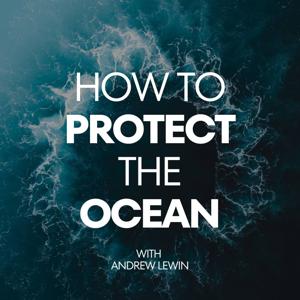


Based on Podcast App listening data
Most people picture the deep sea as a dark, empty place where almost nothing can survive. The truth is far more surprising. Thousands of meters below the surface lives an extraordinary world filled with ancient corals, giant sponges, glowing jellyfish, strange fish, and species that scientists are still discovering today.
In this episode, you'll learn how life has adapted to crushing pressure, freezing temperatures, and complete darkness. You'll also discover why deep-sea ecosystems are some of the most important habitats on Earth, supporting biodiversity, fisheries, and even helping us better understand how life itself can evolve under extreme conditions.
The more scientists explore the deep sea, the more they realize how much remains unknown. That mystery is exciting, but it also makes protecting these fragile ecosystems more important than ever. If you've ever wondered what really lives in the deepest parts of our ocean, this episode will change the way you think about the world beneath the waves.
Support Independent Podcasts: https://www.speakupforblue.com/patreon
Need help with your ocean non-profit, company, or project? Get the help you need with Pisces Oceans Inc.: https://www.piscesoceans.ca Connect with Speak Up For Blue Website: https://bit.ly/3fOF3Wf Instagram: https://bit.ly/3rIaJSG TikTok: https://www.tiktok.com/@speakupforblue Twitter: https://bit.ly/3rHZxpc YouTube: www.speakupforblue.com/youtube
How can we know more about the Moon and Mars than the bottom of our own ocean? It sounds impossible, but it is true. In this episode, we begin a special series on deep ocean exploration by uncovering why so much of our planet remains a mystery and why that matters more than ever.
The deep ocean plays a critical role in regulating Earth's climate, supporting marine life, and helping sustain the ecosystems we depend on every day. Yet scientists have only explored a tiny fraction of it because of crushing pressure, complete darkness, and the enormous scale of the seafloor. You'll discover why exploring the deep sea is far more than an adventure; it is essential for making better decisions about conservation.
This episode sets the stage for an upcoming interview with experts from Oceans Network Canada and the Department of Fisheries and Oceans Canada who are helping reveal Canada's hidden underwater world. Before we can protect the ocean, we first have to understand it. And that journey begins here.
Support Independent Podcasts: https://www.speakupforblue.com/patreon
Need help with your ocean non-profit, company, or project? Get the help you need with Pisces Oceans Inc.: https://www.piscesoceans.ca Connect with Speak Up For Blue Website: https://bit.ly/3fOF3Wf Instagram: https://bit.ly/3rIaJSG TikTok: https://www.tiktok.com/@speakupforblue Twitter: https://bit.ly/3rHZxpc YouTube: www.speakupforblue.com/youtube
What happens to marine conservation when a humanitarian crisis unfolds? In this episode of How to Protect the Ocean, we explore the remarkable story of marine scientist Mohammed Abu Daya, whose work studying endangered giant devil rays has continued despite the immense challenges of living and working in Gaza. His story reminds us that conservation is ultimately about people as much as it is about wildlife.
You'll learn why giant devil rays are among the Mediterranean's most vulnerable species, why scientists still know so little about them, and how local research can shape global conservation efforts. We also look at the unique challenges facing marine ecosystems during times of conflict and why protecting biodiversity cannot simply be put on hold.
This episode is about resilience, science, and hope. It highlights the dedication of researchers who continue gathering critical information under extraordinary circumstances and shows why every piece of knowledge matters for protecting our ocean. Follow How to Protect the Ocean for your next weekday ocean news update.
Support Independent Podcasts: https://www.speakupforblue.com/patreon
Need help with your ocean non-profit, company, or project? Get the help you need with Pisces Oceans Inc.: https://www.piscesoceans.ca Connect with Speak Up For Blue Website: https://bit.ly/3fOF3Wf Instagram: https://bit.ly/3rIaJSG TikTok: https://www.tiktok.com/@speakupforblue Twitter: https://bit.ly/3rHZxpc YouTube: www.speakupforblue.com/youtube
For years, mangrove forests were seen as one of the world's fastest disappearing coastal ecosystems. Cleared for development, shrimp farming, and agriculture, these unique forests seemed locked in a steady decline. But a new global study tells a much more hopeful story. Researchers have found that mangroves are recovering in many parts of the world, offering one of the most encouraging conservation success stories in recent years.
In this episode, I break down why mangroves are so important for the health of our oceans and the people who depend on them. You'll learn how these coastal forests protect communities from storms, provide critical nursery habitat for fish, and store massive amounts of carbon that help fight climate change. We'll also explore why scientists believe nature can recover when we give it the opportunity.
Finally, we'll look at what this recovery means for the future. While the findings are encouraging, mangroves still face threats from coastal development, pollution, and climate change. This episode is a reminder that conservation works, restoration can succeed, and protecting coastal ecosystems remains one of the smartest investments we can make for both people and the planet.
A potential super El Niño is developing in the Pacific Ocean, and scientists are warning that it could have major consequences for marine ecosystems around the world. While El Niño is a natural climate pattern, stronger events can dramatically alter ocean conditions by warming surface waters and reducing the nutrients that support marine food webs. In this episode, we explore why researchers are watching this event so closely and what it could mean for the future of the ocean.
One of the biggest concerns is how a super El Niño could affect fisheries and marine wildlife. When warmer water prevents nutrients from reaching the surface, phytoplankton production can decline, reducing food availability for fish, seabirds, seals, and sea lions. Some of the world's most important fisheries, including the Peruvian anchoveta fishery, have experienced major disruptions during past El Niño events, creating ripple effects throughout global seafood supply chains.
We also discuss why this story matters beyond the ocean. A strong El Niño can influence food security, coastal economies, coral reef health, and climate impacts across the globe. Although scientists cannot stop an El Niño from forming, improved forecasting and monitoring systems give communities more time to prepare. This episode examines the science behind the headlines and explains why what happens in the Pacific Ocean rarely stays in the Pacific Ocean.
Support Independent Podcasts: https://www.speakupforblue.com/patreon
Need help with your ocean non-profit, company, or project? Get the help you need with Pisces Oceans Inc.: https://www.piscesoceans.ca Connect with Speak Up For Blue Website: https://bit.ly/3fOF3Wf Instagram: https://bit.ly/3rIaJSG TikTok: https://www.tiktok.com/@speakupforblue Twitter: https://bit.ly/3rHZxpc YouTube: www.speakupforblue.com/youtube
After 11 years of hosting How to Protect the Ocean, I wanted to take a step back and reflect on what the journey has taught me. What started as a simple passion project became a platform for ocean storytelling, science communication, and career development. Along the way, I learned lessons about persistence, networking, and creating opportunities that I never could have predicted when I published the first episode.
One of the biggest takeaways is that building a career in marine science and conservation is rarely a straight line. Many people enter the field because they love the ocean, but passion alone is not enough. Success often comes from gaining experience, volunteering, developing new skills, and continuing to show up even when progress feels slow.
In this episode, I share the lessons that emerged from more than a decade of conversations with scientists, conservationists, policymakers, and ocean advocates. We discuss why visibility matters, how side projects can shape your future, and why consistency is often the most important skill of all. Whether you are just starting your ocean career or looking for inspiration to keep going, this episode offers an honest look at what it takes to build something meaningful over time.
Support Independent Podcasts: https://www.speakupforblue.com/patreon
Need help with your ocean non-profit, company, or project? Get the help you need with Pisces Oceans Inc.: https://www.piscesoceans.ca Connect with Speak Up For Blue Website: https://bit.ly/3fOF3Wf Instagram: https://bit.ly/3rIaJSG TikTok: https://www.tiktok.com/@speakupforblue Twitter: https://bit.ly/3rHZxpc YouTube: www.speakupforblue.com/youtube
What happens when one of the world's most important ocean monitoring systems is nearly shut down?
The Ocean Observatories Initiative (OOI) collects critical data on ocean temperatures, oxygen levels, currents, marine ecosystems, and climate change. Earlier this year, parts of the program faced significant cuts, raising concerns among scientists, policymakers, and ocean advocates.
In this episode, we explore why researchers fought so hard to save the OOI, how the National Academies challenged the justification for the cuts, and why long-term ocean observations are essential for understanding climate change, marine ecosystems, and the future of ocean conservation.
If we stop watching the ocean, what might we miss?
Support Independent Podcasts: https://www.speakupforblue.com/patreon
Need help with your ocean non-profit, company, or project? Get the help you need with Pisces Oceans Inc.: https://www.piscesoceans.ca Connect with Speak Up For Blue Website: https://bit.ly/3fOF3Wf Instagram: https://bit.ly/3rIaJSG TikTok: https://www.tiktok.com/@speakupforblue Twitter: https://bit.ly/3rHZxpc YouTube: www.speakupforblue.com/youtube
The ocean is facing some of the biggest challenges in its history. Rising temperatures, marine heatwaves, coral bleaching, habitat loss, and overfishing continue to put pressure on marine ecosystems around the world. If you only follow the headlines, it can feel like ocean conservation is losing the battle.
But hidden within a recent United Nations ocean report is a surprising reason for optimism. While ocean health continues to decline in many areas, the systems designed to protect the ocean are getting stronger. Countries are expanding marine protected areas, improving international cooperation, deploying satellite monitoring technology, and developing new agreements to manage the ocean more effectively.
In this episode of How to Protect the Ocean, Andrew Lewin explores the difference between ocean health and ocean governance, and why that distinction matters. You'll learn why conservation progress often feels slow, how stronger governance creates the foundation for long-term recovery, and why recognizing meaningful progress is essential if we want to stay motivated and continue protecting the ocean.
Support Independent Podcasts: https://www.speakupforblue.com/patreon
Need help with your ocean non-profit, company, or project? Get the help you need with Pisces Oceans Inc.: https://www.piscesoceans.ca Connect with Speak Up For Blue Website: https://bit.ly/3fOF3Wf Instagram: https://bit.ly/3rIaJSG TikTok: https://www.tiktok.com/@speakupforblue Twitter: https://bit.ly/3rHZxpc YouTube: www.speakupforblue.com/youtube
For decades, Indigenous communities were often asked whether they approved of projects happening in their territories. But a different question is now emerging: why should they not own part of those projects?
In this episode of How to Protect the Ocean, Andrew Lewin looks at the shift from consultation to Indigenous ownership in ocean conservation, fisheries, infrastructure, and ocean technology. From the Mi'kmaq ownership stake in Clearwater Seafoods to the future of ocean data, monitoring, and blue economy projects, this episode asks who gets to lead, who benefits, and why ownership may shape the future of conservation more than technology alone.
Support Independent Podcasts: https://www.speakupforblue.com/patreon
Need help with your ocean non-profit, company, or project? Get the help you need with Pisces Oceans Inc.: https://www.piscesoceans.ca Connect with Speak Up For Blue Website: https://bit.ly/3fOF3Wf Instagram: https://bit.ly/3rIaJSG TikTok: https://www.tiktok.com/@speakupforblue Twitter: https://bit.ly/3rHZxpc YouTube: www.speakupforblue.com/youtube
Pilot whales rely on sound for nearly every aspect of their lives. They use vocalizations to communicate with family members, coordinate movements, find food, and navigate through their environment. But what happens when the ocean becomes so noisy that those sounds are drowned out? In this episode of How to Protect the Ocean, we explore new research suggesting that commercial shipping noise in the Strait of Gibraltar may be interfering with the ability of pilot whales to hear and communicate with one another.
The Strait of Gibraltar is one of the busiest shipping routes on the planet, connecting the Atlantic Ocean to the Mediterranean Sea. Every day, hundreds of vessels move through these waters, generating a constant background of underwater noise. Scientists are increasingly concerned that this noise pollution is masking whale calls, forcing animals to change how they communicate and potentially affecting their ability to stay connected with their social groups. For highly social species like pilot whales, losing the ability to communicate effectively could have serious consequences.
In this episode, Andrew Lewin breaks down why sound is so important in the ocean, how human activities are changing underwater soundscapes, and what can be done to reduce noise pollution. You'll learn why scientists consider sound an essential part of marine habitat, how quieter ships could help protect marine mammals, and why ocean conservation is about more than just protecting physical spaces. If you've ever wondered how something as invisible as noise can impact whale survival, this episode is for you.
Support Independent Podcasts: https://www.speakupforblue.com/patreon
Need help with your ocean non-profit, company, or project? Get the help you need with Pisces Oceans Inc.: https://www.piscesoceans.ca Connect with Speak Up For Blue Website: https://bit.ly/3fOF3Wf Instagram: https://bit.ly/3rIaJSG TikTok: https://www.tiktok.com/@speakupforblue Twitter: https://bit.ly/3rHZxpc YouTube: www.speakupforblue.com/youtube
From the publisher's feed
Ranked by our users in the last 21 days

3,201 Listeners

608 Listeners
12,188 Listeners

395 Listeners

418 Listeners

161 Listeners

359 Listeners

24,539 Listeners
3,415 Listeners

112 Listeners

15,702 Listeners
179 Listeners

2,833 Listeners

2,458 Listeners

779 Listeners