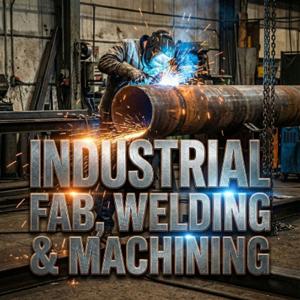
Modern industrial corporations are no longer simple fabrication shops; they have evolved into comprehensive, integrated infrastructure partners. By combining custom metal fabrication, certified multi-code welding, precision CNC machining, and 24/7 mobile field service under one roof, these single-source providers eliminate vendor friction, reduce costly operational downtime, and solve complex engineering challenges across oil, gas, recycling, water treatment, and aggregate processing. On this episode of
Industrial Fab, Welding & Machining, the engineering and operations team at LTJ Industrial Services analyzes the single-source industrial model, shop-based vs. field dispatch dynamics, industry-tailored fabrication standards, quality management certifications, and long-term total cost of ownership (TCO) strategies.
Key Episode Highlights- The Single-Source Industrial Model: Fragmented vendor networks introduce scheduling delays, miscommunication, and compounded overhead. Unifying custom metal fabrication, precision machining, finishing, and field assembly streamlines project management and speeds up time-to-delivery.
- Shop-Based Control vs. Mobile Field Agility:
- Shop-Based Operations: Provide controlled environmental conditions, optimized workflows, specialized CNC machinery access, strict quality assurance, and enhanced safety protocols for complex multi-step builds.
- Mobile Field Services: Deliver immediate, flexible on-site emergency repairs, structural retrofits, and portable line-boring to keep stationary infrastructure operating without needing full dismantling.
- Sector-Specific Engineering Adaptation: Industrial applications require tailored material choices and technical capabilities—such as high-durability wear plates for abrasive aggregate systems, sanitary corrosion-resistant stainless welding for water treatment, and heavy-duty modifications for high-volume recycling equipment.
- Quality Assurance & Verification Standards: Credibility in critical infrastructure rests on code compliance (ASME, AWS D1.1/D1.6, API 1104), ISO 9001 quality management alignment, non-destructive testing (NDT), and complete material heat-number traceability.
Comparative Capability Framework: Controlled Shop Fabrication vs. Mobile Field ServiceEnvironmental & Quality Control- Shop-Based Fabrication: Climate-controlled bays, minimal atmospheric contamination, standardized jig setups, and continuous inline inspection.
- Mobile Field Service: Variable weather conditions; requires portable environmental shelters, specialized field inspection rigs, and site safety management.
Equipment & Technical Scope- Shop-Based Fabrication: Large-bed multi-axis CNC machines, heavy overhead cranes, high-definition waterjet cutters, automated positioners, and powder coating bays.
- Mobile Field Service: Custom service trucks equipped with portable welding power sources, rig-mounted cranes, magnetic drills, and portable line-boring equipment.
Primary Operational Focus- Shop-Based Fabrication: High-precision manufacturing, structural steel fabrication, pressure vessel production, custom machinery builds, and batch component runs.
- Mobile Field Service: Emergency breakdown response, pipeline repairs, structural retrofits, on-site wear-plate replacements, and preventative maintenance shutdowns.
Actionable Playbook for Total Cost of Ownership OptimizationTo transition from transactional vendor interactions to strategic, high-value industrial partnerships, facility managers should execute this four-part operational plan:
- Audit Vendor Consolidation Opportunities: Map current fabrication, machining, and repair contracts to identify single-source industrial service providers capable of handling shop fabrication and field maintenance under unified quality standards.
- Establish Strategic Parts Buffers & Preventative Schedules: Collaborate with your fabrication partner to maintain localized inventory buffers for high-wear components and establish scheduled, non-emergency shutdown windows.
- Mandate Code Compliance & NDT Verification: Require full Certified Material Test Reports (CMTRs), qualified welding procedure specifications (WPS), and documented non-destructive testing (NDT) on all critical structural and pressure components.
- Evaluate Projects on Lifecycle TCO: Base procurement decisions on total cost of ownership—factoring in weld fatigue resistance, coating durability, schedule adherence, and reduced downtime—rather than initial bid pricing alone.
Partner with LTJ Industrial ServicesJuggling multiple uncoordinated contractors or relying on low-bid shops lacking code certifications increases the risk of premature equipment failure, extended operational downtime, and costly project delays. Located at
22505 US-6, Rifle, Colorado,
LTJ Industrial Services brings over 60 years of combined team experience across multi-code welding (ASME, AWS D1.1/D1.6, API 1104), precision CNC machining, waterjet cutting, custom structural steel fabrication, industrial coatings, and 24/7 mobile field repair. Our climate-controlled shop facility and mobile service fleet deliver end-to-end manufacturing and emergency maintenance solutions tailored for oil, gas, mining, aggregate, recycling, and industrial processing operations across Colorado and the Western United States.Build reliable, high-precision industrial infrastructure. Call our Rifle engineering desk today at
(970) 625-9353 or visit
LTJIndustrial.com to submit your engineering drawings or request immediate service dispatch.
Click here to read moreLearn more about LTJ Industrial Services at www.ltjindustrial.com/