Intentional Growth

Intentional Growth

By Arkona - Intentional GrowthBusinessEntrepreneurshipInvestingManagement
Download on the App Store

Intentional Growth episodes

  • #152: Scaling from 0 to $170 Million with a 40 Hour Work YEAR
    Scott Fritz is the author of The 40 Hour Work YEAR, a short read about his POD model. Scott gives talks on his method of exiting a business that is both beneficial to you and healthier for the business. He shares the triggering events that led to this life-changing system. Some would say Scott’s story is impossible but his approach is logical and actionable. If you are considering exiting your company but you are too tied up in it to make it a reality, Scott has a method that you really need to know.
    What you will learn:
    Scott’s presentation Transition, Position, Acquisition.
    Why he wrote The 40 Hour Work YEAR.
    Scott’s “mirror moment” and what he did about it.
    The Transition Plan out of the business, the beginning.
    How to create a culture of intrapreneurs.
    How 9/11 slowed things down.
    What ego really means in business, and getting past it.
    Scott’s rule of thumb for engaging his employees to step up.
    The #1 metric that Scott considered the most important.
    Scott’s “weed-eaters” and how it improved the business.
    The importance of an organizational chart.
    The POD model and how it works.
    Why your culture could be the problem.
    The team that helped Scott exit.
    The types of buyers that approached Scott.
    Scott’s 3-step process to Angel Investing.
    Scott’s final thoughts.
    Takeaways:
    Start thinking about transitioning out of your business. Reframe how you view your business. Look at it as if you are working out of it. You'll be happier and more successful.
    Links and Resources:
    GEXP Collaborative Growth Connect The 40 Hour Work YEAR by Scott Fritz Scott Fritz on LinkedIn Scott’s email
    About Scott:
    Scott Fritz currently oversees acquisition funding and strategy for SGI Property Management. SGI operates in 3 states and manages over 1,300 properties. In 2010 Scott authored The 40 Hour Work YEAR. The book chronicles Scott’s entrepreneurial journey first-hand as he shares strategic business methods, action-focused exercises and the mindset philosophy that allowed him to achieve The 40 Hour Work YEAR and become a passive investor in his own business. Using his book as a platform, Mr. Fritz facilitates workshops and is a keynote speaker for dozens of groups every year. Mr. Fritz acquired Atlantic Insurance, a property and casualty agency, in 2010. After rebranding and repositioning, the agency was sold in December of 2012. Scott founded Growth Connect in 2008. By leveraging business coaching and exit planning services, Growth Connect specializes in transforming businesses into assets. Since 2008 Scott has facilitated over 400 strategic focus sessions. As an active Angel Investor since 2001, Mr. Fritz has invested in over thirty separate ventures. His involvement with these companies ranges from a passive investor to a business coach and advisory board member. Mr. Fritz founded Human Capital in 1997. He grew the company into a nationwide player with 2007 annual revenues of $170 million dollars. This hyper-growth landed Human Capital and its affiliate di
    59 min
  • One Hell of a Story – Family Buyout, Acquisitions, ESOP, Leadership Issues, Sale to a PE and Finding a Life After.
    Buckle up for a long episode this time. I promise though you will walk away from this one reflecting on your personal situation and maybe it will help you make some decisions. My guest is Steve Harlamert, at the age of 24, Steve’s father died suddenly, leaving the family business to both Steve and his sister.
    The business was a grocery supplier and there was no clear roadmap for the company. Steve decided to stick with the business but his sister wanted out. After she left, Steve set about learning everything he could and humbled himself to be mentored by the more experienced people in the business.
    Steve grew the business successfully and built something he could be proud of. That story is inspirational in itself, but then Steve sold his company to a private equity firm and changed the lives of many of his employees. We discuss the emotional fallout of leaving a company and how Steve has coped with that loss. He also has insight into what his experience has taught him about people, business, and life in general.
    What you will learn:
    • Inheriting a business at 24 and coping with unexpected death.
    • How Steve moved on even without a roadmap from his father.
    • The lessons he learned from the company’s more established leaders.
    • Why Steve’s sister left the business and the buyout.
    • The common problems within a family business.
    • The employees become family.
    • Steve’s advice about how to avoid building a dictatorship.
    • How to better serve your customer.
    • Why Steve made an acquisition to grow the company.
    • So many executives rush to restructure, that’s a bad idea.
    • How to have diversity in your feedback but still be respectful.
    • Things that CEOs should do.
    • Steve’s tips to success.
    • The ESOP (Employee Stock Option Plan) that changed everything.
    • Mistakes Steve made with his successor.
    • The pros and cons of the ESOP.
    • The 2 ½ years Steve took structuring a private equity deal.
    • His experience with the firm.
    • The hard transition to life after the business.
    • The hurt feelings and reconnections that have made the experience worthwhile for Steve.
    • Takeaways:
      What do you want? What’s important? Is it a combination of money, legacy? What kind of exit will line-up with those wants?
      Links and Resources:
      GEXP Collaborative
      Steve on LinkedIn
      Steve’s email
      About Steve:
      Steve began his career at the age of 18, the second generation to work for the family business, Harlow Marketing, Inc., a food brokerage company that sourced, marketed, and distributed products to The Kroger Co. Shortly after he earned his BA degree in marketing from the University of Dayton, the untimely death of his father resulted in an accelerated learning curve when Steve stepped into leadership, assuming the role of vice president. In 1997 Steve became the president of Harlow Marketing, where he began to oversee all operations of the company. On the company’s 25th anniversa

      1 hr 59 min
    • #151: One Hell of a Story - Family Buyout, Acquisitions, ESOP, Leadership Issues, Sale to a PE and Finding a Life After.
      Buckle up for a long episode this time. I promise though you will walk away from this one reflecting on your personal situation and maybe it will help you make some decisions. My guest is Steve Harlamert, at the age of 24, Steve’s father died suddenly, leaving the family business to both Steve and his sister. The business was a grocery supplier and there was no clear roadmap for the company. Steve decided to stick with the business but his sister wanted out. After she left, Steve set about learning everything he could and humbled himself to be mentored by the more experienced people in the business. Steve grew the business successfully and built something he could be proud of. That story is inspirational in itself, but then Steve sold his company to a private equity firm and changed the lives of many of his employees. We discuss the emotional fallout of leaving a company and how Steve has coped with that loss. He also has insight into what his experience has taught him about people, business, and life in general.
      What you will learn:
       
      Inheriting a business at 24 and coping with unexpected death.
      How Steve moved on even without a roadmap from his father.
      The lessons he learned from the company’s more established leaders.
      Why Steve’s sister left the business and the buyout.
      The common problems within a family business.
      The employees become family.
      Steve’s advice about how to avoid building a dictatorship.
      How to better serve your customer.
      Why Steve made an acquisition to grow the company.
      So many executives rush to restructure, that’s a bad idea.
      How to have diversity in your feedback but still be respectful.
      Things that CEOs should do.
      Steve’s tips to success.
      The ESOP (Employee Stock Option Plan) that changed everything.
      Mistakes Steve made with his successor.
      The pros and cons of the ESOP.
      The 2 ½ years Steve took structuring a private equity deal.
      His experience with the firm.
      The hard transition to life after the business.
      The hurt feelings and reconnections that have made the experience worthwhile for Steve.
      Takeaways:
      What do you want? What's important? Is it a combination of money, legacy? What kind of exit will line-up with those wants?
      Links and Resources:
      GEXP Collaborative Steve on LinkedIn Steve’s email
      About Steve:
      Steve began his career at the age of 18, the second generation to work for the family business, Harlow Marketing, Inc., a food brokerage company that sourced, marketed, and distributed products to The Kroger Co. Shortly after he earned his BA degree in marketing from the University of Dayton, the untimely death of his father resulted in an accelerated learning curve when Steve stepped into leadership, assuming the role of vice president. In 1997 Steve became the president of Harlow Marketing, where he began to oversee all operations of the company. On the company’s 25th anniversary, Steve purchased HRK Sales & Marketing, Inc., which led to a merger of the two businesses, re-named Harlow-HRK Sales & Marketing, Inc. Under Steve’s leadership, the company grew from 60 employees to over 300 employees in 24 states. Steve sold the company in 2014 to his employees via an E
      1 hr 59 min
    • #150: Entrepreneurship is an Addiction: Multiple Exits and Back at it Again
      Mike Jackness is a hardcore entrepreneur who has built and exited many e-commerce brands. Mike began with affiliate marketing and cut his teeth in the online poker world and grew into legitimate e-commerce businesses. He started with Treadmill.com, Color It, Icewraps.com, Wild Baby, and then took his experience and shaped it into Ecom Crew. Ecom Crew is Mike’s podcast and blog that provides real-world value to business owners and e-commerce professionals. He tells me what he learned from his multiple exits and why he is always moving forward and avoiding boredom.
      What you will learn:
      Mike’s experience with entrepreneurship.
      How he got into affiliate marketing and the online poker business.
      The reasons Mike walked away from his poker business.
      How he exited the company and managed to set up a passive income.
      The lessons he learned from affiliate marketing.
      Entrepreneurship is an addiction.
      The 6-month hiatus that led to Ecom Crew.
      Why Mike returned to entrepreneurship.
      What is Ecom Crew?
      How Ecom Crew has changed Mike’s view on business.
      Entrepreneurship is not for everyone.
      How to be real with your audience.
      How to build strong brands.
      The downside of creating an office culture.
      The sale process of Color It.
      Mike’s plans for the future.
      Takeaways:
      Reflect on why you have your business before burnout sets in, what's the point? What do you need financially to be successful? What are your options?
      Links and Resources:
      GEXP Collaborative Ecom Crew Ecom Crew email The One Thing by Gary Keller Conscious Capitalism by John Mackey The Entrepreneur Roller Coaster: Why Now Is the Time to #JoinTheRide by Darr en Hardy
      About Mike:
      Mike has been involved in online marketing for over 10 years. During the poker craze of the early 2000s, he ran one of the largest poker affiliate companies in the world with over 60 employees (He even owned part of the Canadian Poker Tour!). After Black Friday (the day congress basically made it illegal for Americans to gamble online) he ventured into e-commerce with Treadmill.com. He sold that company in 2014 and have since then started multiple other e-commerce brands with total revenues over $7million annually. Today he’s based in San Diego but he lived throughout the world including Las Vegas, the Cayman Islands, and out of a Class A motorhome while touring North America.
      1 hr 2 min
    • Entrepreneurship is an Addiction: Multiple Exits and Back at it Again
      Mike Jackness is a hardcore entrepreneur who has built and exited many e-commerce brands. Mike began with affiliate marketing and cut his teeth in the online poker world and grew into legitimate e-commerce businesses. He started with Treadmill.com, Color It, Icewraps.com, Wild Baby, and then took his experience and shaped it into Ecom Crew. Ecom Crew is Mike’s podcast and blog that provides real-world value to business owners and e-commerce professionals. He tells me what he learned from his multiple exits and why he is always moving forward and avoiding boredom.
      What you will learn:
      Mike’s experience with entrepreneurship.
      How he got into affiliate marketing and the online poker business.
      The reasons Mike walked away from his poker business.
      How he exited the company and managed to set up a passive income.
      The lessons he learned from affiliate marketing.
      Entrepreneurship is an addiction.
      The 6-month hiatus that led to Ecom Crew.
      Why Mike returned to entrepreneurship.
      What is Ecom Crew?
      How Ecom Crew has changed Mike’s view on business.
      Entrepreneurship is not for everyone.
      How to be real with your audience.
      How to build strong brands.
      The downside of creating an office culture.
      The sale process of Color It.
      Mike’s plans for the future.
      Takeaways:
      Reflect on why you have your business before burnout sets in, what's the point? What do you need financially to be successful? What are your options?
      Links and Resources:
      GEXP Collaborative Ecom Crew Ecom Crew email The One Thing by Gary Keller Conscious Capitalism by John Mackey The Entrepreneur Roller Coaster: Why Now Is the Time to #JoinTheRide by Darr en Hardy
      About Mike:
      Mike has been involved in online marketing for over 10 years. During the poker craze of the early 2000s, he ran one of the largest poker affiliate companies in the world with over 60 employees (He even owned part of the Canadian Poker Tour!). After Black Friday (the day congress basically made it illegal for Americans to gamble online) he ventured into e-commerce with Treadmill.com. He sold that company in 2014 and have since then started multiple other e-commerce brands with total revenues over $7million annually. Today he’s based in San Diego but he lived throughout the world including Las Vegas, the Cayman Islands, and out of a Class A motorhome while touring North America.
      1 hr 2 min
    • #150: Entrepreneurship is an Addiction: Multiple Exits and Back at it Again
      Mike Jackness is a hardcore entrepreneur who has built and exited many e-commerce brands. Mike began with affiliate marketing and cut his teeth in the online poker world and grew into legitimate e-commerce businesses. He started with Treadmill.com, Color It, Icewraps.com, Wild Baby, and then took his experience and shaped it into Ecom Crew. Ecom Crew is Mike’s podcast and blog that provides real-world value to business owners and e-commerce professionals. He tells me what he learned from his multiple exits and why he is always moving forward and avoiding boredom.
      What you will learn:
      Mike’s experience with entrepreneurship.
      How he got into affiliate marketing and the online poker business.
      The reasons Mike walked away from his poker business.
      How he exited the company and managed to set up a passive income.
      The lessons he learned from affiliate marketing.
      Entrepreneurship is an addiction.
      The 6-month hiatus that led to Ecom Crew.
      Why Mike returned to entrepreneurship.
      What is Ecom Crew?
      How Ecom Crew has changed Mike’s view on business.
      Entrepreneurship is not for everyone.
      How to be real with your audience.
      How to build strong brands.
      The downside of creating an office culture.
      The sale process of Color It.
      Mike’s plans for the future.
      Takeaways:
      Reflect on why you have your business before burnout sets in, what's the point? What do you need financially to be successful? What are your options?
      Links and Resources:
      GEXP Collaborative Ecom Crew Ecom Crew email The One Thing by Gary Keller Conscious Capitalism by John Mackey The Entrepreneur Roller Coaster: Why Now Is the Time to #JoinTheRide by Darr en Hardy
      About Mike:
      Mike has been involved in online marketing for over 10 years. During the poker craze of the early 2000s, he ran one of the largest poker affiliate companies in the world with over 60 employees (He even owned part of the Canadian Poker Tour!). After Black Friday (the day congress basically made it illegal for Americans to gamble online) he ventured into e-commerce with Treadmill.com. He sold that company in 2014 and have since then started multiple other e-commerce brands with total revenues over $7million annually. Today he’s based in San Diego but he lived throughout the world including Las Vegas, the Cayman Islands, and out of a Class A motorhome while touring North America.
      1 hr 2 min

    About Intentional Growth

    From the publisher's feed

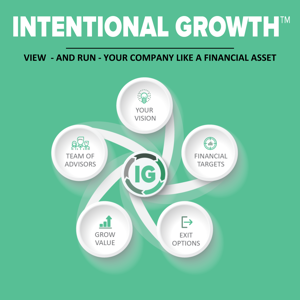
    Intentional Growth™ is a podcast is a podcast for entrepreneurs and business owners wanting to view - and run - their company like a financial asset so they can have fun, create wealth, and make an impact. Truly make the entire journey of owning and running a company "worth it".