
Sign up to save your podcasts
Or



Send us Fan Mail
Ep 6
Welcome to Episode 68 of intermittent fasting for life experiment of one. I am your host, Tracey Mack.
“Welcome back to the podcast — where we learn how simple daily habits can completely transform our health, energy, and life.
Today we’re talking about something incredibly simple… but surprisingly powerful:
Walking after you eat.
Not expensive supplements.
Not extreme workouts.
Not complicated diets.
Just walking.
What actually happens inside your body after a meal?
Why do so many cultures around the world walk after eating?
Can a short walk help blood sugar, digestion, fat burning, energy, and even longevity?
Today we’re breaking it all down.”
What Happens to Your Body After You Eat
“Every time you eat, your body goes to work.
Your digestive system starts breaking down food into nutrients.
Your blood sugar rises.
Your pancreas releases insulin.
Blood flow shifts toward digestion.
Now here’s the important part
If you immediately sit down after eating — especially after a large meal — your body becomes less efficient at handling that rise in blood sugar.
That’s why many people feel:
Why is Walking After Eating Is So Powerful?
“When you walk after a meal, your muscles begin using glucose — sugar — from your bloodstream for energy.
That means your body doesn’t need to release as much insulin to lower blood sugar.
Even a short walk can help stabilize:
This is one reason walking after meals is strongly associated with metabolic health and healthy aging.”
Blood Sugar & Diabetes Prevention
“One of the biggest benefits of post-meal walking is blood sugar control.
After eating carbohydrates, blood sugar naturally rises.
But if blood sugar spikes too high too often over many years, it can contribute to:
Walking after meals acts almost like a natural blood sugar regulator.
Research shows that even a 10–15 minute walk after eating can significantly reduce blood sugar spikes.
That’s incredible because many people think they need intense exercise for benefits but your body responds beautifully to gentle movement.”
“Walking can also help digestion.
Gentle movement stimulates the digestive tract and helps food move through your system more efficiently.
Many people notice:
Now, this doesn’t mean sprinting after dinner.
Heavy exercise immediately after eating can actually feel uncomfortable.
But easy walking?
That’s where the magic happens.”
“Here’s something important:
Walking after meals may also support fat loss and weight management.
Why?
Because stable blood sugar helps reduce:
And consistent movement throughout the day increases overall calorie expenditure without stressing the body.
A lot of people underestimate walking because it seems too simple.
But some of the healthiest populations in the world walk daily — especially after meals.”
“There’s another benefit people rarely talk about:
Walking after eating can calm the nervous system.
Instead of collapsing onto the couch scrolling on your phone, walking helps:
Fresh air, sunlight, and movement together create a powerful effect on mental well-being.
Sometimes a short walk after dinner becomes the healthiest therapy session of the day.”
“So what’s the ideal way to do this?
While the timing differs depending on who you’re getting your information from walking when you can actually do it is better than not doing it at all.
You should still be able to talk while walking.
Consistency matters more than intensity.”
“Post-meal walking can especially help people who:
And honestly… almost everyone can benefit from it.”
“If you want to make this a lifestyle:
Remember:
health doesn’t always come from extreme changes.
Sometimes transformation comes from repeating simple habits every single day.”
“So the next time you finish eating…
Try walking afterwards.
Not because you’re punishing yourself for eating.
Not because you’re obsessed with calories.
But because movement is part of how the human body was designed to function.
A short walk after a meal may seem small…
but small daily habits can create massive long-term change.
I hope the information that I have shared helps you with your healthy lifestyle journey. I’m not a doctor so please don’t use anything that I say as a substitute for medical advice. If you would like to share your intermittent fasting story, please email me at:
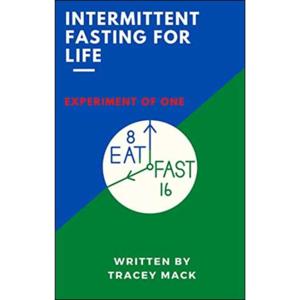
Please grab a copy of my book titled: Intermittent fasting for life-Experiment of One on Amazon or the link in the show notes.
Thank you for listening and have a great day!
Here is the link to my book, Intermittent Fasting for Life-Experiment of One:
Copy and paste the link to a browser:
https://www.amazon.com/dp/B0BSDF47CN
Send us Fan Mail
Hello everyone! Welcome to episode 67 of intermittent fasting for life - experiment of one. I’m your host Tracey Mack. Today we will be discussing: how to slow down the aging process.
What if aging isn’t just something that happens to you… but something you can actually influence?
Today, we’re talking about how to slow down the aging process—not with hype, not with gimmicks—but with science-backed habits that affect your body at the cellular level.
Most people think aging is just about the number of candles on a birthday cake. But there are actually two types of age:
Those two numbers don’t always match.
Some people are 50 but have the body of a 40-year-old.
Others are 40 but their body is aging like they’re 60.
So the goal isn’t just to live longer—it’s to stay younger biologically.
What’s Actually Happening in Your Body
Your body ages based on a few core processes:
Think of your body like a system constantly responding to your daily habits.
Every meal, every hour of sleep, every stressful moment…
…it’s either speeding up aging or slowing it down.
Here are 5 steps to Slow Aging:
1. Eat Foods That Work For You, Not Against You
Focus on whole, plant-based foods:
These foods:
The more processed the food, the faster the aging.
2. Use Fasting as a Reset Button
Intermittent fasting isn’t just about weight—it’s about repair.
When you fast:
This process helps slow down internal wear and tear.
3. Move Your Body Daily
You don’t need extreme workouts—but you do need consistency.
Movement keeps your:
No movement = faster aging. Period.
4. Protect Your Sleep Like It’s Medicine
Sleep is when your body repairs itself.
Poor sleep leads to:
Aim for:
Sleep is not optional if you want to age well.
5. Control Stress Before It Controls You.
Chronic stress is one of the fastest ways to age your body.
It raises:
So the real question is:
Are your daily habits speeding you up… or slowing you down?
I hope the information that I have shared helps you with your healthy lifestyle journey. I’m not a doctor so please don’t use anything that I say as a substitute for medical advice. If you would like to share your intermittent fasting story, please email me at:
Please grab a copy of my book titled: Int
Send us Fan Mail
Hello everyone! Welcome to episode 66 of intermittent fasting for life - experiment of one. I’m your host Tracey Mack. Today we will be discussing the daily benefits of intermittent fasting.
Intermittent fasting is not about skipping meals it’s about allowing your body time to do what it is designed to do: heal itself.
In a world that tells us to constantly consume—food, noise, and distractions—fasting is your way of saying:
“I choose discipline and I choose healing.
Let’s take a moment to understand what’s really happening inside your body when you fast.
When you’re not eating, your body shifts into repair mode. It activates a powerful process called autophagy—your body’s natural way of cleaning out damaged cells and making room for new, healthier ones.
At the same time, your hormones begin to rebalance. Insulin levels drop, making it easier for your body to burn stored fat. Hunger hormones start to regulate, and over time, cravings lose their grip on you.
And here’s something many people don’t expect—your brain actually sharpens.
So if you’ve ever felt more clear-headed during a fast… that’s not in your head—that’s biology working for you.
But beyond the science, there’s something deeper.
Fasting builds discipline.
It teaches you that hunger is not an emergency.
It reminds you that you are in control—not your cravings and not your food.
So today, if you feel that hunger wave coming… don’t fear it.
Pause. Breathe. Recognize it for what it is—a signal that your body is adapting, growing stronger, becoming more efficient.
This is your reminder:
You’re not skipping meals… you’re activating healing.
You’re not restricting… you’re reclaiming control.
Stay consistent. Stay intentional. And most importantly—stay aligned with your purpose. My purpose is To live in a body so that I can help others.
I hope the information that I have shared helps you with your healthy lifestyle journey. I’m not a doctor so please don’t use anything that I say as a substitute for medical advice. If you would like to share your intermittent fasting story, please email me at:
Please grab a copy of my book titled: Intermittent fasting for life-Experiment of One on Amazon or the link in the show notes.
Thank you for listening and have a great day!
Here is the link to my book, Intermittent Fasting for Life-Experiment of One:
Copy and paste the link to a browser: https://www.amazon.com/dp/B0BSDF47CN
Send us Fan Mail
Ep 65-Fasting and Hormones
Hello everyone welcome to episode 65 of intermittent fasting for life-Experiment of one. I am your host, Tracey Mack.
Today I will be discussing how fasting can help balance hormones. Fasting can influence several key hormone systems in both men and women When used appropriately (like an intermittent fasting lifestyle).
Here are some ways intermittent fasting can help balance hormones:
1. Improves Insulin Sensitivity
2. Supports Growth Hormone (HGH)
3. Helps Regulate Testosterone in Men
4. Supports Estrogen Balance in Women
5. Fasting Reduces chronic inflammation
6. It Improves Leptin & Ghrelin (the Hunger Hormones)
7. It Supports Cortisol hormone (stress hormone)
8. It Improves Nitric Oxide & Circulation
Fasting coupled with a plant-based diet can improve nitric oxide production, which helps:
•Blood flow
•and Heart health
Most people come to intermittent fasting to lose weight but Fasting is not just a weight loss solution. Fasting can help the body reset metabolic signals, reduce inflammation, and improve hormone sensitivity.
I hope the information that I have shared helps you with your healthy lifestyle journey. I’m not a doctor so please don’t use anything that I say as a substitute for medical advice. If you would like to share your intermittent fasting story, please email me at:
Please grab a copy of my book titled: Intermittent fasting for life-Experiment of One on Amazon or the link in the show notes.
Thank you for listening and have a great day!
Here is the link to my book, Intermittent Fasting for Life-Experiment of One: https://www.amazon.com/dp/B0BSDF47CN
Send us Fan Mail
Hello everyone welcome to episode 64 of intermittent fasting for life experiment of one. I am your host, Tracey Mack.
Erectile Dysfunction also known as E. D. Is a condition where a man cannot get or keep an erection firm enough for sexual activity. It can happen occasionally to many men, but when it occurs frequently or consistently, it is considered a medical condition.
How an erection normally works. An erection happens when:
1.The brain sends signals of arousal. 2.Blood vessels in the penis relax and open. 3.Blood flows into the penile tissue. 4.The penis becomes firm as blood is trapped inside.
With erectile dysfunction something interrupts this process.
Here are some Common causes of ED:
Physical causes
•Poor blood circulation •High blood pressure •Diabetes •Obesity •Low testosterone •Nerve damage.
Mental / emotional causes
•Stress •Anxiety •Depression •Relationship issues.
Lifestyle causes
•Smoking •Excess alcohol •Lack of exercise •Poor diet •Chronic sleep deprivation *And medication side effects.
ED is often an early warning sign of circulation problems. Because the penile arteries are small, they may show problems years before heart disease symptoms appear.
Signs of E.D: •Trouble getting an erection •Trouble keeping an erection •Reduced sexual desire •Erections that are weaker than normal.
In many cases, ED is reversible, especially when caused by lifestyle or circulation issues.
Certain foods can naturally improve E.D.
Here are 7 foods that can improve blood flow:
1. Leafy Greens
2. Watermelon (Nature’s Circulation Fruit)
Some people even call watermelon “nature’s Viagra effect food.”
3. Pomegranate
4. Walnuts and Almonds
5. Beets
6. Flaxseeds
7. blueberries and strawberries
*And Intermittent Fasting
I hope the information that I have shared helps you with your healthy lifestyle journey. I’m not a doctor so please don’t use anything that I say as a substitute for medical advice. If you would like to share your intermittent fasting story, please email me at:
Here is the link to my book, Intermittent Fasting for Life-Experiment of One: https://www.amazon.com/dp/B0BSDF47CN
Thank you for listening and have a great day!
Send us Fan Mail
Hello everyone! Welcome to episode 63 of intermittent fasting for life - experiment of one. I’m your host Tracey Mack. Today I will be discussing:
Why Water-Rich Foods Keep You Full Without Overeating.
Water-rich foods are foods that contain a high percentage of natural water—often 70–95% water—while still delivering fiber, vitamins, minerals, and plant compounds.
They hydrate your body while you eat, unlike plain water which passes through quickly.
🥒 What Are Water-Rich Foods?
🥬 Some of the the highest water rich vegetables (which contains fiber) are:
•Cucumber
•Romaine Lettuce
•Celery
•Zucchini and Spinach
🍉 Some of the highest water rich Fruits (which contains antioxidants)are:
•Watermelon
•Strawberries
•Grapefruit
•Pineapple and Berries
🥔 Some of the highest Water-Rich Starches (slow hydration + satiety) are:
•Potatoes, Sweet potatoes, Beets, Squash and Carrots
🍲 Other Water-Dense Foods
•Soups & stews that are broth-based
•Herbal teas
•Chia pudding (soaked)
•Cooked beans and lentils
Here are 7 Benefits of Eating Water-Rich Foods
💦 1. Deep Cellular Hydration
•Hydrates inside cells, not just the bloodstream
•Water is released slowly as food digests
•Supports kidney, skin, and joint health
🧠 2. Improves Brain Function & Mood
•Dehydration can cause fatigue, brain fog, and headaches
•Water-rich foods stabilize energy and focus
🧘🏽 3. Supports Digestion & Gut Health
•Fiber + water = smoother digestion
•Prevents constipation
•Feeds beneficial gut bacteria
⚖️ 4. Helps with Weight Management
•High volume, low calories
•Creates fullness without overeating
•Ideal for one meal a day & intermittent fasting lifestyles
🩸 5. Supports Circulation & Detox Pathways
•Improves blood flow
•Supports lymphatic drainage
•Assists liver and kidney detox naturally
🍬 6. Helps Regulate Blood Sugar
•Slows glucose absorption
•Reduces insulin spikes
•Excellent for metabolic health and GLP-1 support
🌿 7. Supports Skin & Anti-Aging
•Improves skin elasticity
•Reduces dryness and inflammation
•Gives a natural glow from within
Why Water-Rich Foods Beat “Dry” Foods
•Water-rich starches expand in the stomach
•They activate stretch receptors → natural fullness
•Less calorie density = less insulin demand
•They’re ideal after fasting when digestion is sensitive
“Dry foods hit your bloodstream fast. Water-rich foods slow everything down — digestion, glucose release, hunger signals.”
“This is why potatoes, beans, and oats feel comforting but does not cause one to overeat.
“Hydration isn’t just what you drink — it’s what you eat as well.
I hope the information that I have shared helps you with your healthy lifestyle journey. I’m not a doctor so please don’t use anything that I say as a substitute for medical advice. If you would like to share your intermittent fasting story, please email me at:
Please grab a copy of my book titled: Intermittent fasting for life-Experiment of One on Amazon or the link in the show notes.
Thank you for listening and have a great day!
Send us Fan Mail
Hello everyone! Welcome to episode 62 of intermittent fasting for life experiment of one.
I’m your host Tracey Mack.
Today, I want to talk about lowering stress while practicing I.f.
This episode is about learning how to fast without spiking cortisol, how to calm your nervous system, and how to create safety in your body.
When stress is high and food is delayed, the nervous system can slip into survival mode. That’s when you might notice irritability, anxiety, poor sleep, or stress eating.
The goal is to signal safety to your body—again and again—throughout the day.
Here are 5 ways to lower stress throughout the day.
Water is the first signal of safety.
Then, give your nervous system a few minutes of calm breathing.
Inhale slowly through your nose…
And exhale gently through your mouth.
Gentle movement like walking or stretching helps too.
2.Midday is where stress can sneak in, if you’re not paying attention.
So, Take 5 minutes to stretch & take some slow deep breaths.
3.If you eat lunch, pause before you eat and
Breathe. Slow down. Say your grace by expressing gratitude for the meal.
4.Your evening routine teaches your body how to sleep, so practice gentle movement after dinner by walking. No need to go out. You can also walk in place.
5. Before bed:
6. Simple calming techniques that you can do anytime during your day.
Three minutes of slow breathing.
Five minutes of walking or stretching.
Two minutes of gratitude.
It really only takes a few minutes to calm your nervous system.
If fasting ever starts to feel harsh, restrictive, or cause anxiety-pause and listen to your body.
Discipline without compassion leads to burnout.
But discipline with gentleness leads to freedom.
Remember calming is something you can practice—anytime anywhere.
I hope the information that I have shared helps you with your healthy lifestyle journey. I’m not a doctor so please don’t use anything that I say as a substitute for medical advice. If you would like to share your intermittent fasting story, please email me at:
Please grab a copy of my book titled: Intermittent fasting for life-Experiment of One on Amazon or the link in the show notes.
Here is the link to my book, Intermittent Fasting for Life-Experiment of One: https://www.amazon.com/dp/B0BSDF47CN
Thank you for listening and have a great day!
Send us Fan Mail
Hello everyone! Welcome to episode 61 of intermittent fasting for life Experiment of One. I’m your host Tracey Mack. Today I will be discussing how I am fasting with purpose-by merging the Daniel fast with intermittent fasting during lent. This year lent begins on Feb. 18th and ends on April. 2nd.
For those of you who don’t know what Lent is.
Lent is a 40-day solemn Christian season of preparation for Easter, beginning on Ash Wednesday (2/18 )and focusing on fasting, prayer, and giving. It symbolizes the 40 days Jesus spent fasting in the wilderness, allowing us believers to reflect on repentance, sacrifice, and spiritual renewal.
Daniel (a prophet)-refused to compromise his diet or worship idols. He avoided the royal food such as meat.
•Daniel chose simple, plant-based foods to remain faithful
•Jesus fasted for 40 days emphasized obedience, clarity, and spiritual strength
•This wasn’t a diet—it was an act of worship.
How Christians Observe Lent:
“Lent is about creating space to hear God more clearly, to discipline the flesh, and to realign our hearts.
•Lent matters to me because I am a Christian of Christ and I want to create space to hear God more clearly especially during this season when satan is trying to destroy families! This is how I fight-through fasting and praying on a regular basis not just for lent.
For those who don’t know how to fast here is a little refresher. Fasting is when you stop eating for a specific time period during your day by only drinking water. For example a 12 hour fast is not eating anything from 8pm on Monday until 8a on Tuesday. (8a-8p is your eating window). A 16 hour fast Is not eating anything from 8p on Monday until 12p on Tuesday (12p-8p is your eating window).
How It Works During Lent:
What you eat & drink:
•Fruit/ Vegetables, beans/legumes, whole grains, nuts/seeds, Water, herbal teas.
When you eat:
•create an eating window. I’m planning to have a 6 hour eating window most days, which means I’ll have my 2 meals between 1p-7p.
Why the combination is powerful:
•Physically:it Supports your overall health.
•Spiritually:it Encourages prayer during hunger.
•This is not about perfection
“God honors the heart behind the fast more than the strictness of the fast.”
“Lent is an invitation—not to starve ourselves, but to feed our souls.”
Lent is also about giving to the less fortunate. This is a good time to donate things that you are no longer using and to volunteer your time to Food banks, nursing homes and shelters for example.
Giving not only helps the recipient but it also makes the giver feel good because nothing feels better than helping someone.
I hope the information that I have shared helps you with your healthy lifestyle journey. I’m not a doctor so please don’t use anything that I say as a substitute for medical advice. If you have medical conditions, please see your doctor before fasting or changing your diet. If you would like to share your intermittent fasting story, please email me at:
Please grab a copy of my book titled: Intermittent fasting for life-Experiment of One on Am
Send us Fan Mail
Hello everyone welcome to episode 60 of intermittent fasting for life, Experiment of One. I’m your host Tracey Mack.
Today I’ll be discussing: Becoming the Best Version of Yourself in 2026.
Welcome listeners! Today is February 7th and spring is just around the corner. So those goals you set for 2026 have you started them? How is it going? Are you practicing discipline or are you relying on motivation?
The best version of you is not found in motivation, it’s found in discipline.
Motivation can fade over time but discipline and repetition without thought is everlasting.
Here are 3 examples of self discipline.
2. If you want to be a person who eats vegetables every day for your health just starting eating vegetables every day. I know eating vegetables is not easy for everyone. I’m not a big fan either. however, I will make my green smoothie with my greens & some low sugar fruit and I will drink my greens. This is a “no excuses environment.”
3.If you want to be the person who prioritizes their personal development start reading books or listening to podcasts about personal development. My first personal development mentor on YouTube was Jim Rohn. Someone mentioned his name in one of my weight loss groups at the time and I found him and that is how I started reading every day because he suggests that you read and learn every day.
Focusing on my personal development is how I started fasting. It is how I started writing my book. It is how I started this podcast.
You have to take the first step it doesn’t have to be a big step. Just take a small step. My first small step was I stopped eating at 7 PM. I didn’t eat again until 11 AM the next day. That one small step changed my life for the better!
This step repeated over time caused me to lose weight (because I was overweight) & it lowered my blood sugar to where I am no longer pre-diabetic. It also gave me mental clarity amongst many other non-scale victories!
Once I started doing this every day, it became a habit so I no longer need motivation!
Take out a piece of paper or your note pad in your phone & write down:
What do I want to do?
What do I want to learn?
How do I want to show up in my life?
Find people who are doing what you want to do for support. Whether it is in person or online, find your people!
Remember, you are what you focus on! So don’t focus on what you don’t want to be (the negatives), focus on what you do want to be (the positives).
I hope the information that I have shared helps you with your healthy lifestyle journey. I’m not a doctor so please don’t use anything that I say as a substitute for medical advice. If you would like to share your intermittent fasting story, please email me at:
Here is the link to my book, Intermittent Fasting for Life-Experiment of One: https://www.amazon.com/dp/B0BSDF47CN
Send us Fan Mail
Hello everyone welcome to episode 59 of intermittent fasting for life experiments of one. I am your host, Tracey Mack.
Today marks four years of my intermittent fasting lifestyle, and I’m incredibly grateful.
This journey has taught me something powerful: true health starts from the inside out. Nothing—absolutely nothing—is more important than your health. And I know Tomorrow isn’t promised to any of us, so my goal is simple: to be healthy while I’m here.
This is your reminder to keep working on you.
People are counting on you.
Your presence matters.
And your well-being matters more than anything.
For me, this journey has been about showing up consistently, even on the days it wasn’t easy.
Four years in and here’s what has worked for me:
If you’re on your own journey, keep going. Small steps add up, and consistency changes everything.
Wishing you all a blessed day.
And remember—progress over perfection.
I’m not a doctor so please don’t use anything that I say as a substitute for medical advice.
If you would like to share your Intermittent Fasting story, please email me at [email protected].
Have a great day everyone!
Intro/outro music: I Feel You by Keven MacLeod
From the publisher's feed
This podcast is all about intermittent fasting and how to live an intermittent fasting lifestyle. I will interview guests who are living the intermittent fasting lifestyle for health and…
Here is my published book about my first year of practicing intermittent fasting on Amazon: https://a.co/d/4gLlmpt
501 Listeners
2,543 Listeners
404 Listeners
208 Listeners

2,027 Listeners
1,282 Listeners

5 Listeners