
Sign up to save your podcasts
Or

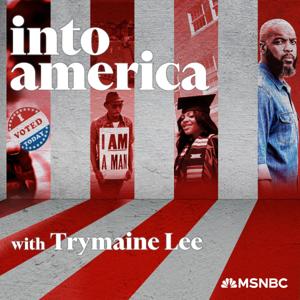

From the beginning of the coronavirus pandemic, many officials warned it was crucial to slow the spread of the virus to protect what they called the most vulnerable people: the elderly and those with underlying conditions. The people who have been mentioned far less often are those with disabilities.
Having a disability isn’t a risk factor for COVID-19 on its own, but according to the CDC, people with disabilities often do have other health conditions that put them at risk. It can also be harder for some people to socially distance if they have caretakers or are in a group home setting.
It’s hard to know the full scope of the risk because there’s no comprehensive data on COVID rates among people with disabilities, but around the country, some group homes for disabled people have been coping with serious outbreaks.
On this episode of Into America, 30 years after the passage of the Americans with Disabilities Act, Trymaine Lee talks with disability rights advocate and writer Andrew Pulrang about how people with disabilities are weathering the pandemic and navigating the future.
For a transcript, please visit https://www.msnbc.com/intoamerica.
Further Reading:
To listen to this show and other MS podcasts without ads, sign up for MS NOW Premium on Apple Podcasts.
Hosted by Simplecast, an AdsWizz company. See pcm.adswizz.com for information about our collection and use of personal data for advertising.
 View all episodes
 By Trymaine Lee, MS NOW

4.6
33503,350 ratings
From the beginning of the coronavirus pandemic, many officials warned it was crucial to slow the spread of the virus to protect what they called the most vulnerable people: the elderly and those with underlying conditions. The people who have been mentioned far less often are those with disabilities.
Having a disability isn’t a risk factor for COVID-19 on its own, but according to the CDC, people with disabilities often do have other health conditions that put them at risk. It can also be harder for some people to socially distance if they have caretakers or are in a group home setting.
It’s hard to know the full scope of the risk because there’s no comprehensive data on COVID rates among people with disabilities, but around the country, some group homes for disabled people have been coping with serious outbreaks.
On this episode of Into America, 30 years after the passage of the Americans with Disabilities Act, Trymaine Lee talks with disability rights advocate and writer Andrew Pulrang about how people with disabilities are weathering the pandemic and navigating the future.
For a transcript, please visit https://www.msnbc.com/intoamerica.
Further Reading:
To listen to this show and other MS podcasts without ads, sign up for MS NOW Premium on Apple Podcasts.
Hosted by Simplecast, an AdsWizz company. See pcm.adswizz.com for information about our collection and use of personal data for advertising.
37,368 Listeners

8,776 Listeners
7,358 Listeners
5,865 Listeners

3,902 Listeners
4,450 Listeners
7,010 Listeners
9,373 Listeners
616 Listeners

27,738 Listeners

15,611 Listeners
8,570 Listeners
5,839 Listeners
835 Listeners
10,521 Listeners

960 Listeners
4,357 Listeners

1,430 Listeners
31,945 Listeners
2,161 Listeners

7,064 Listeners
6,288 Listeners
1,410 Listeners
1,774 Listeners

62 Listeners
191 Listeners
54 Listeners

4,268 Listeners