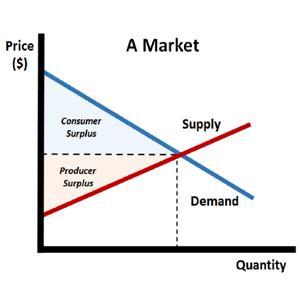
As factors of production, supply and demand of labor, land and capital will determine how much the producer will get out of this process. This process occurs in different stages.
In order for anyone to make ethical judgments, he must know the consequences of his various actions. In questions of union actions displacement or unemployment for oneself or others will be considered unfortunate by most people.
Economists can say little about population and its size, despite the gloomy views of Malthus. More people are a good thing because of the division of labor. Living standards are higher when populations are higher.
The time market determines the pure rate of interest. Price per unit of time may be wages or rent. The interest income will be earned by the capitalist who has assumed the task of advancing present money.
The disappearance of oil has been forecast every decade. Prices were overlooked. When the price is high it is more profitable to look for oil. Total reserves on the ground are higher than they were in 1890.
Thou shalt not sell a certain product or service below a certain price, e.g. wheat, cotton, corn, cheese, sugar. This will result in an artificial unsold permanent surplus, as it does in the American farm situation.
The peanut butter crunch was in 1980. Crop acreage and production was cut down by 45% by government price support, import quotas, and cartelizing of the industry. The price of peanuts more than tripled.
The objective of the corporate firm is to maximize profits and avoid losses - the same objective of the free market. But the costs are paid out before the income comes in. Stockholders will sell stock to shake up the managers.
Business men must make sure they can cover their costs by incoming revenue. The production function will yield a certain quantity of a product. The firm considers marginal costs and average costs to weigh where along the demand curve production is.
The words monopoly and competition have been changed. Competition meant rivalry or competing, either active or potential. Businesses do not like this. Monopoly meant a grant of privilege by the government. It now means falling demand curve.
0 min
About Introduction to Microeconomics
From the publisher's feed
Presented by Murray N. Rothbard in 1986 at New York Polytechnic University. Recorded by Hans-Hermann Hoppe.
Download the complete audio of this event (ZIP) here.