
Sign up to save your podcasts
Or

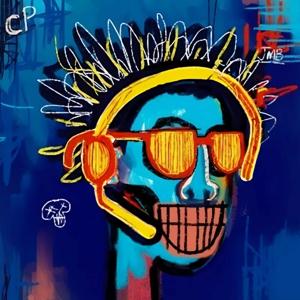


Richard Nadler is a German generative and AI artist known for blending vibrant colors and unique textures to explore identity. His techniques include latent diffusion, GAN, and code-driven art, with notable work in his Japanese GenArt Collection Yamabushi's Horizons and Izanami Islands, inspired by his deep connection to Japanese culture.
Join ±10,000 art fans that get my newsletter and podcast in their inbox or upgrade to a premium membership👇
https://www.kaloh.xyz
In today’s episode, we discuss:
Richard's background and artistic influence (00:01:33) Richard shares his family's connection to art, his upbringing, and the influence of traditional German art on his work.
Inspiration behind Yamaguchi Horizons and Izanami Islands (00:11:36) Richard explains the personal experiences and memories with his father in Japan that inspired his Japanese-themed art collections.
Reception and success of Yamaguchi Horizons (00:18:28) Richard reflects on the overwhelming reception and success of his art and the impact it had on people.
Continued evolution and experimentation (00:21:19) Richard discusses the importance of evolving as an artist and experimenting with new techniques and styles.
Richard's technical setup and process (00:23:17) Richard shares insights into his artistic process, tools, and the technical setup he uses for creating digital art.
Fine-tuning AI models (00:25:48) Richard discusses the process of fine-tuning AI models and the constant adjustments and experimentation involved.
Future projects and artistic process (00:39:52) Richard outlines his upcoming projects, emphasizing the time and effort required to create unique and special artworks.
Advice for emerging artists (00:44:28) Richard offers advice on navigating the digital art world, emphasizing the importance of marketing, maintaining a unique artistic vision, and perseverance.
Engaging with collectors (00:50:11) Richard discusses the value of engaging with collectors and fostering conversations to gain feedback and insights into the reception of his art.
Inspirational Artists (00:52:24) Richard shares three artists who inspire him, including Mario Klingemann, Gerhard Richter, and Damien Hirst, discussing their experimental and shocking art styles.
Mentioned: Mario Klingemann, Damien Hirst, Yamabushi's Horizons, Izanami Islands, Verse, Bright Moments, NFT Paris, Leander Herzog, Fellowship, Franz Marc, Paul Klee, Otto Dix, Alejandro Cartagena, Gerhard Richter.
Until next time,
- Kaloh
Harto is a Spanish generative artist and a curator at Vivid Ordinals. Mixing nature, theater, and digital ideas, he studied industrial design, which helped him start his art career. When the pandemic hit in 2020, he switched from traditional theater art to the digital world, especially NFTs. His work quickly gained attention, being shown in places like New York, Miami, and Hong Kong. A big moment for Harto was helping launch the first NFTs into space with SpaceX and NASA.
Listen now on Apple, Spotify, Google, and YouTube.
Join ±10,000 art fans that get my newsletter and podcast in their inbox or upgrade to a premium membership👇
In today’s episode, we discuss:
Transition to blockchain art (00:02:12) Harto’s transition from traditional design and art to blockchain art, and the influence of the pandemic on this shift.
Early projects and collaborations (00:04:02) Harto’s initial projects, including collaborations with brands and the exploration of NFTs.
Exploration of generative coded art (00:08:31) Coding and generative art, the challenges and time commitment involved.
Inspiration behind the "Golden Ratio" collection (00:11:36) Harto’s inspiration from nature and the Fibonacci sequence, led to the creation of the "Golden Ratio" collection.
Experience with Ordinals and inscribing art on Bitcoin (00:14:32) Experience with Ordinals and the technical complexities.
Randomization and curation in art collections (00:20:33) Discussion on randomization and curation in art collections, including Harto’s approach to creating curated collections.
Role in Vivid Gallery (00:24:29) Insights of Harto’s role as a curator at Vivid Gallery.
Interacting with Collectors (00:30:05) The importance of human connections and personal interactions with collectors in the blockchain community.
Art on Different Blockchains (00:31:49) Different blockchains and Harto’s focus on Ordinals, highlighting their unique features.
Bitcoin's Security and Use Cases (00:33:11) Discussion of the security and advantages of Bitcoin over other blockchains, and its potential for diverse use cases.
Emerging Artists on Ordinals (00:40:44) Harto shares insights on the evolving ecosystem of generative art on Ordinals and the growing interest from artists and collectors.
Inspirational Artists (00:43:20) Harto shares his admiration for artists like Joe Pease, Rip Cache, and Medusa, highlighting their unique styles and contributions to the art world.
Mentioned: Art Blocks, Vivid Gallery, Joe Pease, FAR, Medusa, Rip Cache, Open Sea, Ethereum, On Chain Monkey, Tezos, Solana, Bitcoin, Magic Eden, Gamma, Formation, Blocks, Accumulation, Golden Ratio, Rising Echoes.
Until next time,
- Kaloh
Refer your friends and earn rewards!
Want insider access?
Refer friends to unlock my extensive research database, join a vibrant community of 300+ blockchain art enthusiasts, and enjoy exclusive shoutouts.
Alex Estorick is the founding Editor-in-Chief of Right Click Save, a publication about digital art with a readership of over 130,000. He has developed groundbreaking courses on blockchain and NFTs and is a guest lecturer at prestigious institutions like Sotheby's Institute of Art and Imperial College London. A contributing editor for Art and Technology at Flash Art, he writes for various publications. In 2023, he was recognized for his philanthropic efforts in the crypto space through his initiative, reGEN, which supports artists in fighting degenerative diseases
Join ±10,000 art fans that get my newsletter and podcast in their inbox or upgrade to a premium membership👇
https://www.kaloh.xyz
In today’s episode, we discuss:
Global Reach and Inclusivity (00:01:30) Embracing a global outlook in reporting and celebrating inclusivity in the web3 community.
Vision of Right Click Save (00:09:33) The publication's focus is on exploring new narratives, celebrating a community, and listening to diverse voices in the web3 space.
Role of an Editor (00:18:38) The editorial process involves form, language, and meaning, with a focus on magnifying the voice of writers and embracing community language.
Language and terminology in art (00:24:52) Discussion about the evolving language and contested terms used in the art world, including blockchain art, generative art, and AI art.
Defining art in the context of NFTs (00:29:04) Exploration of the impact of NFTs on traditional art concepts and the widening acceptance of digital practices as art.
Historical context of token economies (00:34:10) Comparison of NFTs with historical token economies, such as the Byzantine token, and the implications for art and alternative economies.
AI's impact on art and the post-human condition (00:38:35) The role of AI in art, the post-human condition, and the importance of understanding a post-human vision in art.
Challenges and accomplishments in the web3 art space (00:49:26) Discussion about the ReGen Initiative, an effort to address representation issues in the web3 art space, and the impact of initiatives like Fem Gen during Miami Basel.
Fem Gen Collaboration (00:50:40) Collaboration with the first NFT scholar, Dani Valiente, and the importance of scholarly enterprise in Right Click Save.
Charitable Auctions (00:52:13) Success and challenges of hosting NFT auctions for charitable causes, the ethical component of web3, and the impact of cryptocurrency in fundraising.
Role of Artists in Charitable Projects (00:56:00) The crucial role of artists in charitable projects, the importance of community ethics in web3, and the positive side of NFTs as a charitable vehicle.
Inspiring Artists (00:58:15) Recognition of artists Xelda Jara, Pamilo Ceirone, and Stephanie Dinkins, and the celebration of artists who have built careers outside the mainstream art world.
Art and Technology Integration (01:00:34) The integration of art and technology in web3, the potential for artists to shape the future of digital systems, and the positive impact of creative coding.
Ethical Components in Art and Tech Integration (01:04:35) The importance of not sacrificing the ethical code of the community in the integration of art and technology and the positive impact of the web3 community's ethics.
Mentioned: Bright Moments, Vertical, Right Click Save, Club NFT, snowfro, Nat Sarkissian, Melissa Wiederrecht, Robert Hodgin, Ana Maria Caballero, Marcelo Soria-Rodriguez, Memo Akten, Jason Bailey (aka Artnome).
Until next time,
- Kaloh
Kayvon Tehranian is the CEO and founder of Foundation, a platform that enables creators to use blockchain to monetize their work and build new connections with collectors. Before Foundation, Kayvon held different roles in Dharma Labs, Universe, and Google.
Join ±10,000 art fans that get my newsletter and podcast in their inbox or upgrade to a premium membership👇
https://www.kaloh.xyz
In today’s episode, we discuss:
Background and Journey into Web3 and Art (00:01:08) Kayvon shares his background in programming, working at Google, and his transition into the Web 3 space, particularly with the development of Foundation.
The Invitation System and Early Days of Foundation (00:08:15) the invitation system implemented in the early days of Foundation and the reasons behind it, including the need for gradual system development and community education.
The Origins of Worlds (00:13:27) a tool for curated contexts, and the importance of provenance on the blockchain.
Benefits of Provenance and Worlds (00:14:47) how provenance and worlds help navigate through the noise in the art market and provide a tool for historians and curators.
Focus on Crypto-Native Users (00:20:18) Worlds is designed for crypto-native users and discusses the potential growth of digital art in the art market.
The Partnership with Highlight (00:24:15) Discussion about the partnership between Foundation and Highlight to bring generative art collections onto the platform.
AI Art on Foundation (00:28:56) Exploration of the presence of AI artists on Foundation and the unique tools and outputs they bring to the platform.
Expanding Tools for Artists (00:32:30) Explanation of the different release mechanisms available on Foundation, including one-on-one drops, editions, and upcoming generative series, as well as the ability to collaborate with curators and other platforms.
The debate on storing images on the blockchain (00:40:53) Consideration of the issues surrounding storing images on private servers and the limitations of the Ethereum blockchain as a storage network for heavy media assets.
The Future of Foundation and Supported Creations (00:45:02) Discussion on the future direction of Foundation, whether it will expand beyond art, and the focus on digital art.
Challenges for Founders in the Web3 Space (00:48:08) The cyclical nature of the web3 space and the challenges faced by founders, including impatience, market fluctuations, and the importance of long-term vision.
Artists that Inspire (00:52:45) Kayvon mentions three artists who inspire him: Jeremy Booth for innovation and support of other artists, Kia from Ethiopia for building something from scratch, and Zack Lieberman as an OG digital artist with years of experience.
Exploring Worlds on Foundation (00:57:44) Kayvon highlights the Western Art Department as a community-building genre within Web 3 and mentions the Forever Projects gallery. He also mentions the Space World, GM World, and Super Chief Gallery as notable community initiatives.
Until next time,
- Kaloh
Madison Page, Malte Rauch, and Derek Edwards joined the Podcast to talk all things Glitch Gallery. Glitch Gallery is an analog space for digital objects founded in 2022 — living at the intersection of Marfa, Texas, and the internet.
Madison Page is the owner, director, and part of the curation board of Glitch Gallery.
Derek Edwards is the owner and part of the curation board of Glitch Gallery. He is also the Managing Partner of Collab Currency.
Malte Rauch is also part of Glitch Marfa’s curation board and was formerly head of partnerships and editor of Bright Moments.
Listen now on Apple, Spotify, Google, and YouTube.
Join ±10,000 art fans that get my newsletter and podcast in their inbox or upgrade to a premium membership👇
https://www.kaloh.xyz
In today’s episode, we discuss:
Introduction to Glitch Marfa (00:00:45) Introducing Derek, Malte, Madison, and Glitch Marfa, an analog gallery for internet objects based in Marfa, Texas.
The concept of Glitch and "Every 30 Days" (00:02:14) Explaining the concept of Glitch as a digital and physical art gallery and introducing their product "Every 30 Days" that combines long-form text, a gallery show, and a digital poster. Mentioned: Flamingo DAO, Art Blocks, Donald Judd.
Marfa's Timelessness and Unique Pace (00:11:48) Discussion about the sense of timelessness in Marfa where people take their time to engage in conversations and enjoy the moment.
The Challenges and Benefits of Marfa's Location (00:12:29) Exploration of the difficulties of reaching Marfa due to its remote location, but also the benefits of being disconnected and fully present once you arrive.
Curation Process and Concept of Glitch (00:15:55) Insights into the curation process at Glitch, focusing on contextualizing and exploring singular works through writing while avoiding creating a canon and aiming to surprise and present new perspectives. Mentioned: Bright Moments, XCopy, PROOF Grails.
The concept of Glitch and encouraging artists to be bold (00:22:57) Discussion about the importance of artists being bold and experimental in their work, with examples of artists who embody that spirit. Mentioned: Mathcastles.
The power of focusing on one thing (00:23:45) Exploration of the benefits of focusing on one thing and the challenges of navigating the art world as a former artist. Mentioned: Sam Spratt.
The events and exhibitions at Glitch Marfa (00:28:10) Conversation about the various events and exhibitions hosted by Glitch Marfa, including the "Die with the most likes" event and the Beef Rothko exhibition, highlighting these shows' unique and experimental nature.
The outdoor exhibition and live stream (00:34:48) The speakers discuss how they have created an outdoor space for people to engage with the gallery even when it's closed, including a live stream and displays that can be viewed from the street.
Interacting with the exhibition from outside (00:35:58) They explain how visitors can tap a computer sculpture with their phone to access different modules and engage with the exhibition, such as reading about it, viewing the live stream, and minting digital posters. Mentioned: Robert Irwin.
Plans for the future and evolving Glitch (00:43:06) The speakers discuss their commitment to the "Every 30 Days" product and their plans to modify and evolve it over time. They also mention working on other types of expression and leveraging their physical space and network to move the project forward.
The Glitch Marvel's next product (00:45:47) They discuss their next product launch, focusing on contextualization, storytelling, and curation.
An old-school approach to gallery life (00:46:52) They talk about their excitement for new products that take an old-school approach to gallery life, giving weight and substance to their work.
Artists that inspire them (00:49:10) They mention artists who inspire them, including Kim Asendorf, Roope Rainisto, Claire Silver, Snowfro, Douglxss, Molly Dixon, and Die with the most likes.
Putting out symbolic work (00:58:04) The process of selecting artists and exhibitions for Glitch Marvel, keeping up with the evolving digital art space.
Until next time,
- Kaloh
PD: If you enjoyed this issue, help me spread the word by liking it (❤️) and sharing it with your friends.
More from Kaloh
🎙Kaloh’s Podcast: Listen to my podcast on YouTube.
🫂 Newsletter & Podcast community: Join the premium community.
👁 My Gallery: Check out the Blind Gallery.
Sofia Garcia founded ARTXCODE, a generative art house that operates as a studio and agency. Over the last six years, Sofia Garcia has become a noteworthy leader in the Generative Artspace as a curator, advisor, and community builder. She currently sits on the curation board for Art Blocks and previously worked at Onyx by J.P. Morgan as a blockchain technical design strategist and Director of Education of Code/Art, a non-profit focused on teaching young girls how to make art with code.
Join ±10,000 art fans that get my newsletter and podcast in their inbox or upgrade to a premium membership👇
https://www.kaloh.xyz
In today’s episode, we discuss:
[2:00] Sofia’s art background and how she got into technology and coding via a college course about computer science and volunteering to teach girls how to code Code/Art. Mentioned: Vera Molnár, Amy Renshaw.
[6:40] Starting ArtXCode Instagram account to share her favorite coded works.
[9:20] Her job at JPMorgan allowed Sofia to start collecting art from artists like Tyler Hobbs and Dmitri Cherniak before 2018.
[11:10] Sofia’s first booth at an art fair. Mentioned: Sebastian Sanchez.
[13:30] How Sofia discovered the generative artwork of Tyler Hobbs and Dmitri Cherniak.
[16:25] Meeting John Watkinson, Larva Labs co-founder, in an MIT hackathon.
[19:30] Collectors became interested in NFTs but not the physical works. Mentioned: CryptoVoxels, Autoglyphs.
[20:30] In 2019, Artxcode experienced NFTs as a certificate of the physical work and continued to showcase art on physical fares. Mentioned: Manolo Gamboa, Helena Sarin, Ben Snell, Zach Bodtorf, and David Mrugala.
[25:40] Reaction from artists regarding minting NFTs in 2020 and how Covid made ArtXCode mint on Super Rare. Mentioned: Harshit Agrawal, CADAF, Museum of Crypto Art, Pablo Fraile
[31:40] ArtBlocks and Ringers came out. Auction houses entered the game, and Sofia didn’t like how auction houses showcased digital art. Mentioned: Sotheby’s, Erick Calderon ‘snowfro’.
[35:30] Sofia describes a physical show called ‘The Digital’ that she designed and curated. One of the proudest moments of her life. Mentioned: Casey Reas, Centuries, Jeff Davis, Color Studies, Subscapes, Fidenza, Chromie Squiggle.
[39:30] How Sofia defines ArtXCode today (art representation, experimental, legal support, sales, and advisory). Mentioned: Toni Marinara, Martin Grasser, and Lars Wander.
[44:00] Biggest challenges for artists today and how to think holistically about their career. Mentioned: William Mapan, Tyler Hobbs, Sasha Stiles, Linda Dounia, IX Shells, SMK museum, and the MoMA.
[52:00] Advice for emerging artists.
[56:00] Three artists that inspire Sofia: Sasha Stiles, Maya Man, and Helena Sarin (her book in collab with Dmitri Cherniak) produced & edited by Sofia.
Until next time,
- Kaloh
Will and Trinity are the hosts of the Waiting To Be Signed podcast. Through their podcast, they have documented, analyzed, and given context to the generative art movement, with a particular interest in fxhash. With over 100 episodes, including artists and collectors interviews, they’ve become one of the most knowledgeable collectors in the generative art scene.
Join ±10,000 art fans that get my newsletter and podcast in their inbox or upgrade to a premium membership👇
https://www.kaloh.xyz
In today’s episode, we discuss:
[1:30] Introduction to Waiting to be Signed, crossing over 100 episodes (±150 episodes) and their journey from the past 2 years (podcast anniversary will be on January 2024).
[4:50] General thoughts on fxhash 2.0 and what it means for generative art, Tezos collections, and more.
[8:00] Popular projects to watch, the methodology.
[9:45] Zancan and Garden, Monoliths analysis. Mentioned: (kinder)Garden, Monuments, Bugged Forest, Yazid, Fidenza, Squiggles, Ringers.
[17:30] William Mapan, Dragons analysis. Mentioned: LACMA, Bright Moments, verse, Anticyclone
[23:10] Ciphrd and RGB Elementary Cellular Automaton. Mentioned: , Ethereal Microcosm, FXHASH Logo with Features, FXHASH Generative Logo.
[28:20] Kim Asendorf and Reading a Book. Mentioned: Cargo, Zoom, Tr4ns4ctions, Monogrid 1.1 CE, Nazca, Flamingo DAO, Carpe Diem.
[32:30] Marcelo Soria-Rodriguez (msoriaro) and contrapuntos. Mentioned: Tocatta, Andreas Rau, entretiempos.
[40:00] Lars Wander, Iskra Velitchkova, Zach Lieberman: Mentioned: Horizon(te)s, Uninhabitable, Gossamer, Unfolded, Geode, Rhythm and the Machine, ArtxCode.
[42:06] Yazid, Automatism, Melissa Wiederrecht . Mentioned: Hashed Arcs, Hashed Cities, Lost Twins.
[43:45] Hidden Gems (or not so hidden) methodology according to Will and Trinity.
[44:30] Ivona Tau, Study of Atom. Mentioned: Mythic Latent Glitches, Kate Vass Galerie.
[47:50] Thomas Noya and Erik Swahn Mentioned: Ciudad Central, Farbteiler, Punktwelt, Fields, Funktor, Blind Gallery, Bright Moments, MonkAntony, Tender.
[53:10] Jeres, Coronado. Mentioned: Torrent, Jeres’ alt CC0 account.
[56:36] Casey Reas accessible series on fxhash. Mentioned: Vera Molnar, Bitforms Gallery, LACMA.
[58:30] Mark Knol: SMOLSKULL. Mentioned: ASCII-SMOLSKULL, 3D-SMOLSKULL, SMOLSKUL-FANCARD.
[102:55] Andreas Gysin: Towers. Mentioned: Device 1, Smooth Steps.
[103:15] Cyril Diagne: Waxing Crescents.
[104:08] Anna Lucia: Art For Walls In Public Spaces. Mentioned: The Secret Garden.
[105:25] Rudxane: Fold. Mentioned: Bingo, Tych, Grailers DAO.
Until next time,
- Kaloh
Anjali Young is the Co-Founder of Collab.Land, an automated member management system for tokenized communities. Over 50,000 projects use Collab.Land including Prada, Gucci, Adidas, McLaren, Lacoste, Boss Beauties, Mattel, NBA top shot, World of Women, Pudgy Penguins, Cool Cats, Doodles, BankLessDAO, and more. Anjali received recognition from Salesforce and is listed as one of its Web3 Advisory Board Members.
Join ±10,000 art fans that get my newsletter and podcast in their inbox 👇
https://www.kaloh.xyz
In today’s episode, we discuss:
[3:40] Anjali’s early days in digital communities (online forums).
[5:50] Working with his partner, James, and the original idea of Collab.Land, which was focused on no code tooling for creators.
[10:00] Switching from a no-code tool to a community management system (starting for DAOs).
[16:40] Over 53k communities manage their users with Collab.Land and “Every day, we have 2,000 new wallets across 28 blockchains joining a CollabLand server.” Mentioned: NBA Top Shot, Tezos, McLaren.
[25:00] Which communities are growing faster today and multichain integrations?
[30:10] Security issues, scammers sponsoring huge events, and how Collab.Land educates users.
[47:00] What are the elements of strong communities? Admin team, consistency, content calendar.
[51:00] Upcoming initiatives from Collab.Land, including SocialFi App, called Telefriends, and trading bots. The meta for Collab.Land is creating apps that members want in a safe way.
Jennifer and Kevin McCoy are media artists whose work extends from the moving image and software to drawing, painting, and installation. The McCoys' work has been widely exhibited in the US and internationally, and their work can be seen in the collections of the MoMA, The Met, and The Museum of Fine Arts, Houston, among others. In 2014, Kevin created Quantum, the first digital object to capture ownership and provenance (pre-NFT). Jennifer and Kevin McCoy are art professors at Brooklyn College and NYU, respectively.
✍️ Subscribe to Kaloh's Newsletter 👉 https://www.kaloh.xyz/
🎙Kaloh's Podcast 👉 https://www.kaloh.xyz/s/kalohs-podcast
Connect with me: X 👉 https://www.x.com/kaloh_nft
Instagram 👉 https://www.instagram.com/kaloh_art
In today’s episode, we discuss:
[1:00] How did Jennifer and Kevin decide to pursue a career in the art world?
[5:00] How were video art, installations, and performances distributed back in the 90s? Mentioned: Timothy Murray, Peter Gabriel,
[9:30] The McCoys collaboration process.
[12:30] First interactions with the gallery world via Postmasters. Mentioned: The Met.
[17:30] The story behind Quantum. Mentioned: Neil Dash, Monegraph. Collections: The Cars, Primordial Loop.
[24:30] Auctioning Quantum at Sotheby’s for over $1.4M. and their thoughts on auction houses and distribution options. Mentioned: Anika Meier, Feral File, Expanded.Art, Land Sea and Sky.
[32:00] Their teaching practice and what they see in the next generation of art students.
[34:30] The concept behind Machine Organic.
[38:30] Mitigating the negative impact of crypto and blockchain on the environment with an eco-friendly strategy.
[44:20] 3 artists that inspire Jennifer McCoy: Robert Ashley, Andrea Fraser, and Pakui Hardware.
[45:40] 3 artists that inspired Kevin McCoy: Pauline Oliveros, Rafaël Rozendaal, and Pak.
Until next time,
- Kaloh
Ryan Bell is a prolific generative artist and front-end developer who has produced acclaimed pieces for fxhash, Art Blocks, PROOF, verse, and the Blind Gallery. These works include Fragments of a Wave, Microgravity (showcased at Art Basel), Sprocket Factory, Dreamcatcher Forest (showcased at Art Basel), Hyper Drive: A Side, Ephemeral Tides, and Veils of Perception.
Join ±10,000 art fans that get my newsletter and podcast in their inbox https://www.kaloh.xyz
In today’s episode, we discuss:
[1:50] Ryan's background, education, starting to code, and finding a distribution channel for generative art. Mentioned: Casey Reas
[10:10] His creative process, getting feedback from other artists and doing collaborations. Mentioned: Rarible, fxhash.
[14:00] The story behind Fragments of a Wave.
[17:20] Working on Sprocket Factory, a collection inspired by Tyler Hobbs’ Fidenzas and Dmitri Cherniak’s Ringers.
[18:37] His first exhibition at Art Basel in collaboration with fxhash. Mentioned: Dreamcatcher Forest, Zancan.
[23:20] How important is the code: structure, best practices, optimization?
[24:30] Incorporating AI-assisted tools into his artistic practice. Mentioned: PROOF, Ephemeral Tides.
[28:20] Hyper Drive: A Side and B and the difference between Art Blocks and fxhash.
[35:19] Ryan's thoughts on the state of generative art and what EmProps is doing with long-form AI. Mentioned: Lisa Orth.
[49:50] Ryan’s thoughts on being exhibited and showcased in IRL events, cross over to the traditional art world and his thoughts on prints and plotters. Mentioned: Artmatr.
[54:00] Artists that inspire Ryan: Zancan, William Mapan, and Zach Lieberman.
Until next time,
- Kaloh
Thank you for listening! If you enjoyed this episode, help me spread the word by liking it (❤️) and sharing it with your friends.
More from Kaloh’s Newsletter & Podcast
🏘 Join my premium community - get access to my Discord and Premium articles.
📢 Sponsor my newsletter or podcast - get in front of +10k blockchain art enthusiasts.
☎️ Work with me 1:1 - book a coaching or strategy session.
From the publisher's feed