
Sign up to save your podcasts
Or

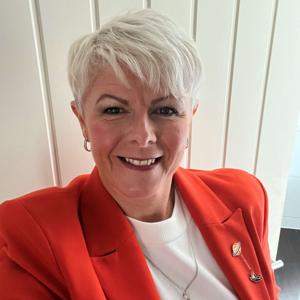


Episode Title: Kicking the Door Down with Vince Pizzoni: Mentoring, Engineering, Confidence and Breaking the Rules on Age
In this episode of Kicking the Door Down, I’m joined by the brilliant Vince Pizzoni for a conversation that is honest, energising and packed with wisdom.
Vince has had a remarkable career spanning engineering, leadership and mentoring, and in this episode we dive into everything from growing up in working-class families, early graft and ambition, through to imposter syndrome, women in STEM, ageism, confidence and what it really takes to build a career with purpose.
We talk about the importance of getting more women into STEM — but just as importantly, helping them stay there. We also discuss why young people need better guidance, why representation matters, and how one conversation can genuinely change the direction of someone’s life.
Vince shares his own journey from chemical engineering into a portfolio career focused on mentoring the next generation, and we explore the realities of leadership, visibility, resilience, and what it means to keep pushing forward at every stage of life.
This is a conversation about hard work, honesty, backing yourself before you feel fully ready, and why experience should never be written off.
In this episode we cover:
If you’ve ever questioned whether you’re ready, whether you belong, or whether your voice matters — this one’s for you.
Kicking The Door Down
The Mycelium Network of Leadership: Building Connected, Resilient Organisations
Have you ever wondered how the natural world can guide us toward better workplace connectivity and resilience? In this podcast, we explore the fascinating analogy of the mycelium network—nature's incredible underground communication web—and how it offers powerful lessons for governance, leadership, and organisational culture. If you've ever questioned traditional hierarchical structures or struggled with communication gaps within teams, this insight might just transform your perspective. Drawing from this powerful and insightful interview with Louise Humpington, a specialist in organisational ecosystems inspired by fungi communication networks, we'll delve into how embracing a networked approach can improve psychological safety, inclusivity, and risk management in workplaces. By understanding and applying these natural principles, you can foster a more adaptive, resilient, and human-centered organisation.
Unlocking the Power of the Underground: What is the Mycelium Network?
The concept of the mycelium network originates from the world of fungi and forests. Louise Humpington explains that mycelium is the underground web connecting fungi, trees, insects, and plants—a sophisticated 450-million-year-old system that enables communication, resource sharing, and mutual support.
Imagine this network in your workplace: Each employee or team represents a node within the ecosystem, interconnected through a web of relationships, communication channels, and shared knowledge. When one part of the system encounters stress or harm, the others come together to rebuild and support. This interconnectedness ensures not only survival but also adaptability and growth.The Key Lessons from Nature's Communication Web
Louise emphasises that this natural network is a model for how organisations should operate: fostering interconnected relationships, transparent communication, and collective resilience.
Cultivating Psychological Safety and Inclusion Through the Network
One of the most significant benefits of a mycelium-inspired approach is creating psychological safety—a workplace environment where individuals feel safe to speak up, admit mistakes, and share concerns without fear of criticism. Louise highlights how psychological safety is crucial for innovation, risk mitigation, and inclusion.Without the ability to voice concerns—whether about AI bias, safety issues, or personal challenges—organizations risk harm, legal liabilities, and loss of talent. Embedding inclusion as a normative aspect of organizational culture ensures that differences are valued, supported, and protected, rather than tolerated or ignored.Practical Steps to Build This Ecosystem
Louise advocates for leadership that acts as a gardener—nurturing connections and removing barriers that hinder growth and understanding.
The Risks and Rewards of a Networked Governance Approach
Traditional governance models are often linear—causal, hierarchical, and sequential. Louise challenges this by proposing a dynamic, networked approach that maps relationships and risks across all nodes, including silos and cross-functional interactions.In her view, these interconnected systems reveal risks that linear models overlook, such as the gaps between teams or underrepresented voices. When one part of the network comes under stress, the entire system's resilience depends on how well the nodes support each other.Key Strategies for Networked Governance
This approach allows organisations to be proactive rather than reactive—avoiding the 'glitches' that can escalate into bigger failures, much like adding damaging DNA into a biological system.
Challenging Old Models: From Storming to Rewilding Teams
Louise and I critique the traditional "Storming, Norming, Forming" model of team development, arguing that it’s outdated in the context of diverse, neurodiverse, and AI-enabled workplaces. Instead, she advocates for a ‘rewilded’ view—embracing complexity, difference, and continuous learning.Modern teams are ecosystems with fluid relationships, where inclusion of varied genders, backgrounds, and neurodiversity enriches performance. Leaders must shift from control-based models to facilitative, trust-based systems that allow for experimentation, failure, and growth.Creating Adaptive Teams
This requires a fundamental mindset change: leaders as cultivators of connections, not command-and-control enforcers.
The Hidden Dangers of Over-Reliance on AI and Data
While AI presents exciting opportunities,
https://www.linkedin.com/in/louisehumpington/
Kicking The Door Down
Unlock the power of financial independence and break through the stigma holding women back from taking control of their money. Yasmin Barlow-Mills, a seasoned financial planner, reveals how she's helping women overcome imposter syndrome, fear, and cultural barriers to become confident decision-makers—empowering them to thrive in all life stages.
In this episode, Yasmin shares her inspiring journey from feeling like she didn’t belong in the finance industry at 18 to becoming a passionate advocate for women’s financial empowerment. She discusses the real challenges women face—fear of finances, societal stereotypes, and how trauma and emotional hurdles often keep them trapped. Plus, Yasmin explains how her upcoming podcast, On Her Terms, aims to demystify finance, making it accessible, relatable, and inspiring for women who want to take control of their futures.
You'll discover tangible insights on how to shift your mindset around money, the importance of emotional support in financial planning, and how to build the confidence to make decisions that truly serve your goals. Yasmin offers practical advice for navigating major life changes—divorce, bereavement, career shifts—and explains why understanding your finances is the ultimate act of self-empowerment and independence.
This episode is an essential listen for women feeling overwhelmed by finances, aspiring entrepreneurs, or anyone who recognizes that financial literacy is the key to freedom. Yasmin’s genuine, heartfelt approach provides a new perspective on what it means to take control of your money—and your life.Join us to break down barriers, challenge old stigmas, and unlock your financial potential. Your journey to empowerment starts here.
https://www.linkedin.com/in/yasminbarlowmills/
On Her Terms Podcast
https://www.instagram.com/onhertermspodcast/?hl=en
Kicking The Door Down
The gendered barriers that keep women—especially in leadership—stuck behind an invisible glass ceiling are more complex than ever. But what if the real challenge isn’t just overt discrimination, but the silent, systemic structures we often overlook? In this eye-opening episode, Debbie Airey and her recurring special guest, Dr. Abbey Atkinson PHD, unpack the unspoken biases, invisible obstacles, and political policies that sustain gender inequality in the workplace.
You’ll discover why traditional diversity efforts fall short without addressing the deep-rooted structural issues. We break down the concept of the “magnifying glass ceiling”—where women are hyper-visible and invisible at the same time—and explore how the stereotypes of leadership often reinforce a system built for male dominance. From the impact of unconscious bias to the harm of tokenism, this episode dives into the subtle ways discrimination persists, even when no one’s saying a word.
Key insights include: how leadership styles are misunderstood and judged through gendered lenses, the damaging myths around the Queen Bee theory, and the real costs of the “motherhood penalty” versus the “gardening leave” phenomenon. We examine critical policies like paternity leave and the dangerous erosion of women’s rights, and challenge the narrative around quotas, highlighting why fixed targets can do more harm than good—and how organizations can foster authentic, inclusive cultures instead.
Why does it matter? Because until organizations recognize that gender issues are human issues, we’ll keep fighting a losing battle. This episode is essential listening for leaders, HR professionals, and anyone committed to creating workplaces where everyone can thrive—free from silent biases and systemic barriers.Abbey Atkinson is a leadership specialist and researcher passionate about dismantling gender inequalities in the workplace. Her insights come from years of experience working with organizations on diversity and inclusion.
Get ready for a candid, data-driven conversation that will leave you questioning the status quo—and inspired to drive real change. Perfect for HR teams, executives, and allies seeking practical strategies to break down barriers and elevate voices traditionally held back.Join us to challenge the silent discrimination in your organization, and learn how to turn awareness into action—because the future of inclusive leadership depends on it.
if you would like to work with Abbey, please reach out to her on the below linkedin profile:
https://www.linkedin.com/in/abbey-atkinson-phd-88460257/
Kicking The Door Down
Guest names
Rebecca Lovelace and Marsha Ramroop
Summary
This episode features Rebecca Lovelace and Marsha Ramroop discussing the importance of gender equity, diversity, and inclusion in the built environment sector. They explore fragmentation in efforts, the need for a unified approach, and how culture change is vital for sector-wide progress.
key topics
Fragmentation in diversity initiatives
Building People network of networks
Creating infrastructure for collaboration
The importance of culture change in the sector
Supporting women and underrepresented groups
Titles
Building a Unified Voice for Gender Equity in Construction
How Culture Change Can Transform the Built Environment Sector
Guest links
https://www.linkedin.com/in/marsharamroop/
https://www.linkedin.com/in/rebecca-lovelace-7625013/
Kicking The Door Down
Advisory Listening!!
Summary
In this episode of Kicking the Door Down, host Debbie Airey delves into the complex and painful realities surrounding the Epstein case, institutional failures, and the ongoing struggle for women's rights. She shares her personal experiences as a survivor, highlighting the systemic issues that perpetuate silence and protect power over justice. The conversation explores the intersections of trauma, healthcare, and domestic violence, emphasizing the need for empathy and change in societal attitudes towards women.
Takeaways
This episode is harder than most because it is a lived reality.
Institutions prioritize survival over delivering justice.
Trauma does not remain in the past simply because time has passed.
Danger for women is not always outside our front door; it can be within relationships.
Justice becomes a debate when survivors feel unheard.
Rights are not permanent; they can be contested and removed.
Indifference to trauma is more dangerous than pain.
Every time a woman speaks, it challenges the status quo.
Patterns of abuse are recognizable to survivors.
Empathy is essential for challenging systemic injustices.
Kicking The Door Down
Summary
In this episode of Kicking the Door Down, Debbie Airey discusses the upcoming European vote on women's rights, focusing on the critical issue of abortion access across member states. She highlights the disparities in women's rights and healthcare access in different European countries, emphasizing the need for equality in reproductive rights as foundational to overall gender equality. The conversation also explores how societal inequalities impact workplace equality and the challenges women face in achieving autonomy and opportunity in their careers.
Takeaways
The European vote on women's rights is crucial and underreported.
Abortion access varies significantly across Europe, affecting women's autonomy.
Legal inequality leads to lived inequality for women.
Reproductive rights are essential for gender equality.
Workplace equality cannot exist in a vacuum; it reflects societal structures.
Organizations may strive for equality, but societal imbalances hinder progress.
Women face unique risks and challenges due to unequal reproductive rights.
True equality requires alignment between law, society, and workplace policies.
The conversation about women's health needs to be more visible in media.
Engagement and discussion are vital for driving change in women's rights.
Kicking The Door Down
Summary
In this episode, Debbie Airey and Abbie Atkinson delve into the pervasive issue of misogyny in the workplace, discussing both visible and invisible forms of misogyny. They explore personal experiences and examples of overt and unconscious biases that women face daily. The conversation highlights the importance of male allies in combating misogyny and the need for organizational change to create a more inclusive environment. They emphasize the significance of reflection and personal responsibility in fostering a culture of respect and equality.
Takeaways
Visible misogyny includes daily practices that often go unnoticed.
Overt misogyny manifests in conscious behaviours and comments.
Invisible misogyny is rooted in organizational culture and structures.
Male allies play a crucial role in addressing misogyny in the workplace.
Creating safe spaces for women is essential for open dialogue.
Reflection on personal behaviour can lead to positive change.
Misogyny is a business problem, not just a women's issue.
The ideal worker stereotype is often male-dominated.
Organizations need to expand their talent pools for diversity.
Change starts with individual responsibility and accountability.
https://www.linkedin.com/in/abbey-atkinson-phd-88460257/
Kicking The Door Down
Unlocking Your Potential: Insights from Nat and Kat on Hustle and Health
Introduction: In the latest episode of Kicking the Door Down, hosts Debbie Airey welcome the dynamic duo Nat and Kat from Hustle and Health. These inspiring guests share their journey of balancing hustle with health, offering valuable insights for anyone looking to optimize their lifestyle.
Main Content:
1. **Meet Nat and Kat**
Nat and Kat are not just fitness enthusiasts; they are passionate advocates for a balanced lifestyle. In this episode, they dive into their experiences and the importance of maintaining health while pursuing ambitious goals. Their engaging personalities shine through as they recount their journey, emphasizing that success is not solely measured by achievements but also by well-being.
2. **The Hustle and Health Philosophy**
The core principle of Hustle and Health is finding equilibrium between hard work and self-care. Nat and Kat explain how they manage their time effectively, ensuring they prioritize health amidst their busy schedules. They believe that taking care of one’s physical and mental health is essential for sustained productivity. For instance, they share practical tips about incorporating short workouts into daily routines and making mindful food choices.
3. **Navigating Challenges**
Every journey comes with obstacles, and Nat and Kat are no strangers to challenges. They discuss the misconceptions surrounding hustle culture and how it can lead to burnout if not balanced properly. By sharing their personal stories, they illustrate the importance of listening to one’s body and recognizing when to take a step back. This candid conversation encourages listeners to redefine their hustle mindset and prioritize their health.
4. **Actionable Takeaways**
Throughout the episode, Nat and Kat provide actionable advice for listeners. They suggest setting realistic goals, scheduling downtime, and incorporating physical activity into daily life. For example, they recommend taking short breaks during work to stretch or go for a quick walk, which can refresh the mind and boost productivity. Their insights are not only relatable but also easy to implement, making it accessible for everyone.
Conclusion:
Nat and Kat's discussion on Kicking the Door Down is a reminder that achieving success does not have to come at the expense of our health. By embracing a balanced approach, we can pursue our dreams while nurturing our well-being. Key takeaways include the importance of setting boundaries, prioritizing health, and finding joy in the hustle.
Hustle and Health, Nat and Kat, Kicking the Door Down, wellness, productivity, self-care, work-life balance, fitness tips.
https://hustlenhealth.com/
https://hustlenhealth.com/accelerateher/
https://www.facebook.com/groups/856875790538384
Kicking The Door Down
Breaking Barriers: The Need for Inclusive Toilets on Construction Sites
Introduction: In a recent episode of the podcast "Kicking the Door Down," host Debbie Airey welcomed industry advocate Katie Robinson to discuss a pressing issue in construction that often goes unnoticed: the inadequacy of toilet facilities on construction sites. With the recent launch of the British Standard for Inclusive PPE, Katie highlights the importance of addressing not only safety gear but also essential welfare needs like accessible and clean toilets.
Section 1: The Launch of the British Standard for Inclusive PPE
Katie Robinson, a senior project manager, recently celebrated the launch of the British Standard for Inclusive PPE, marking a significant milestone in her efforts to advocate for safety and inclusivity in the construction industry. This new standard aims to ensure that everyone on site is properly equipped and safe, reflecting a growing awareness of the diverse needs of workers. However, as Katie points out, the journey does not end here; it is merely the beginning of a larger movement to improve working conditions across the board.
Section 2: The Survey on Site Toilets
During the podcast, Debbie and Katie discussed an alarming survey that Katie and her colleagues conducted regarding toilet facilities on construction sites. The overwhelming response revealed a host of issues, particularly for women and individuals with underlying health conditions. Katie shared her experiences, highlighting how women's toilets are often locked, used for storage, or completely inaccessible. This lack of consideration sends a clear message that women are not welcome on site, which can lead to a significant loss of talent in the industry.
Section 3: The Broader Implications
The podcast delves into the broader implications of inadequate welfare facilities on site. Katie shared that many men also face challenges with the cleanliness and hygiene of the men's toilets, leading some to use women's facilities as a last resort. This situation not only affects morale but also raises questions about respect and care for all workers. The survey results indicated that the shocking conditions of site toilets are a barrier to retention and recruitment in an industry already facing a skill shortage.
Section 4: The Simple Solutions
One of the most frustrating aspects of this issue is that the solutions are straightforward and achievable. As Katie notes, some contractors manage to provide excellent facilities, proving that it is possible to prioritize worker welfare without incurring significant costs. The podcast emphasizes the need for site managers to take responsibility for ensuring that all workers have access to clean, safe, and accessible toilet facilities, which ultimately contributes to a healthier and more productive workforce.
Conclusion: Key Takeaways
The conversation between Debbie and Katie serves as a powerful reminder that welfare should never be an afterthought in the construction industry. The launch of the British Standard for Inclusive PPE marks an important step forward, but it is crucial that industry leaders also address the pressing issues surrounding site toilets. By prioritizing cleanliness, accessibility, and respect for all workers, the construction sector can take significant strides toward inclusivity and retention.
https://www.linkedin.com/in/katy-robinson-mciob-710619189/
https://lnkd.in/ev24s4vh
Kicking The Door Down
From the publisher's feed
Dedicated to supporting saleswomen within Industry, the good, the bad and the down right scary!