
Sign up to save your podcasts
Or

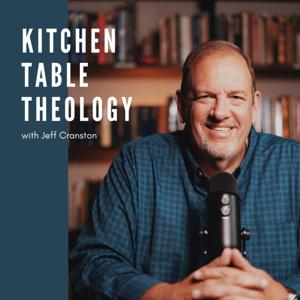


The Presbyterian Church has a long history rooted in the Protestant Reformation, but what exactly sets Presbyterianism apart from other Christian traditions like Lutherans, Calvinists, or even Baptists?
Pastor Jeff Cranston sits down with Reverend Bill McCutchen, lead pastor at Hilton Head Presbyterian Church, to explore the history, theology, and governance of Presbyterianism. They discuss its origins with John Knox, the Westminster Confession, church structure, and common misconceptions.
Here’s What We Discussed!
00:00 The Origins of Presbyterianism
The Presbyterian Church traces its roots to the Reformation, particularly through John Knox in Scotland. Pastor Jeff and Rev. McCutchen explore how Presbyterian governance differs from other denominations.
05:10 The Role of Elders in Church Leadership
Unlike hierarchical denominations, Presbyterians emphasize elder-led governance. Instead of a single pastor or bishop, a plurality of elders guides the church’s direction.
07:07 The Influence of the Reformation & Westminster Confession
The Westminster Confession of Faith, written in 1646, remains a cornerstone of Presbyterian doctrine. Rev. McCutchen explains how it continues to shape Presbyterian theology.
13:26 The Presbyterian Church’s Role in American History
Presbyterians played a significant role in early American religious and social movements, including opposition to slavery. Learn how their influence spread across the U.S.
16:57 Worship in a Presbyterian Church: What to Expect
Presbyterian churches vary in worship style, from traditional liturgical services with choirs to contemporary gatherings. Rev. McCutchen explains the common elements found in most Presbyterian worship.
20:45 The Lord’s Supper in Presbyterianism
Presbyterians practice weekly communion in many churches, believing in the spiritual presence of Christ in the elements, rather than a symbolic or literal transformation.
26:48 Common Misconceptions About Presbyterians
What do Presbyterians actually believe about baptism, salvation, and predestination? Rev. McCutchen clears up common misunderstandings.
28:47 Closing
Next week, Pastor Jeff and Reverend Bill McCutchen continue their discussion, diving deeper into Presbyterian theology and its impact today.
Resources
Join the Conversation
We love your feedback! If you enjoyed this episode, leave us a review. If you have any questions or comments on today's episode, email me at [email protected]
Visit my website https://www.jeffcranston.com and subscribe to my newsletter. Join me on Sunday mornings at LowCountry Community Church.
Check-in with us on Facebook or Instagram @pastorjeffcranston
Remember, the real power of theology is not only knowing it but applying it. Thanks for listening!
The Southern Baptist Convention (SBC) is the largest Protestant denomination in the U.S., with a vast network of churches and a strong emphasis on missions. But how did it begin, and what sets it apart from other denominations?
Tiffany Coker and Pastor Jeff Cranston discuss everything we've learned about the SBC in the last 2 episodes. If you missed Part 1 and Part 2 of our conversation, be sure to go back and listen to episodes 228 and 229.
Here’s What We Discussed
00:00 The SBC’s Mission-Focused DNA & Membership
From its inception, the Southern Baptist Convention has been focused on spreading the gospel. The SBC remains deeply missional, supporting local, national, and global outreach efforts. Since 2011, the SBC has experienced a steady decline in membership, with numbers dropping from over 16 million to around 13 million today.
06:39 The SBC’s Structure & Annual Meeting
The SBC is a network of autonomous churches that cooperate in missions and theological training while governing themselves. Each year, churches send messengers to the SBC Annual Meeting to vote on key decisions.
08:52 Key SBC Beliefs: The Baptist Faith & Message
The SBC adheres to a doctrinal statement called the Baptist Faith and Message, which outlines core beliefs like:
✔️ The inerrancy and authority of Scripture
✔️ Salvation through faith in Christ alone
✔️ Believer’s baptism by immersion
10:19 The SBC’s Founding
The SBC was founded in 1845 in Augusta, Georgia, after splitting from Northern Baptists over slavery. Southern Baptists sought to keep slavery a non-issue, while Northern Baptists opposed it. In 1995, the SBC formally apologized for condoning slavery and failing to stand against injustice.
13:44 The Six Southern Baptist Seminaries
The SBC operates six major seminaries across the U.S., providing theological training at a reduced cost for students from SBC-affiliated churches:
21: 40 Closing
Next week, we shift to Presbyterianism! Reverend Bill McCutcheon, an ordained Presbyterian minister for over 30 years, joins us to discuss the Presbyterian Church in America (PCA).
Resources Mentioned:
Join the Conversation
We love your feedback! If you enjoyed this episode, leave us a review. If you have any questions or comments on today's episode, email me at [email protected]
Visit my website https://www.jeffcranston.com and subscribe to my newsletter. Join me on Sunday mornings at LowCountry Community Church.
Check-in with us on Facebook or Instagram @pastorjeffcranston
Remember, the real power of theology is not only knowing it but applying it. Thanks for listening!
Reverend Jay Hardwick, senior pastor of Forest Hills Baptist Church and president of the Tennessee Baptist Convention, returns for Part 2 of our discussion on the Southern Baptist Convention (SBC).
We discuss how Southern Baptists work together through church planting, missionary efforts, and theological education. The cooperative generosity of SBC churches has fueled missions across North America and around the world, supporting thousands of church planters, seminary students, and global missionaries.
If you missed Part 1 of our conversation, be sure to go back and listen to episode 228.
Here’s What We Discussed
00:00 The North American Mission Board (NAMB)
SBC has long been dedicated to evangelizing the world, supporting missions both locally and globally. Pastor Jeff and Pastor Jay discuss the role of NAMB in supporting church planting, evangelism, and strengthening churches across North America. The SEND Network has helped Southern Baptists focus on major cities, training new church planters and ensuring they have the support they need to succeed.
03:26 The Cooperative Program – Fueling Missions
The Cooperative Program is the financial backbone of SBC missions. Rather than requiring churches to contribute a fixed percentage, churches voluntarily participate, pooling resources to fund seminaries, missionaries, and outreach efforts.
07:12 The International Mission Board (IMB)
The SBC is home to the world’s largest missionary-sending agency, the International Mission Board. With over 3,700 missionaries actively serving and more than 1,200 in training, the IMB ensures that Southern Baptists continue their global outreach, reaching unreached people groups and supporting international church planting.
10:35 The Role of Special Offerings
Two major annual offerings—Lottie Moon (Christmas) and Annie Armstrong (Easter)—provide additional direct-to-field support for missionaries and church planters. Pastor Jay highlights how these offerings have reached record-breaking contributions in recent years.
12:52 Southern Baptist Seminaries and Theological Education
With six world-class seminaries, the SBC provides theological education at a significantly reduced cost for students from SBC churches. Pastor Jay shares how this investment in education is raising up the next generation of pastors, missionaries, and ministry leaders.
16:15 Stewarding the Future of the SBC
From growing up in a Southern Baptist church to serving as a pastor and convention leader, Pastor Jay has had a long history with SBC continuing the mission while also recognizing the SBC’s challenges and opportunities for growth.
Connect with Reverend Jay Hardwick
Join the Conversation
We love your feedback! If you enjoyed this episode, leave us a review. If you have any questions or comments on today's episode, email me at [email protected]
Visit my website https://www.jeffcranston.com and subscribe to my newsletter. Join me on Sunday mornings at LowCountry Community Church.
Check-in with us on Facebook or Instagram @pastorjeffcranston
Remember, the real power of theology is not only knowing it but applying it. Thanks for listening!
Our guest, Reverend Jay Hardwick, senior pastor of Forest Hills Baptist Church and president of the Tennessee Baptist Convention, joins us as we discuss the Southern Baptist Convention (SBC). We learn about the SBC’s origins, core beliefs, and unique church governance structure.
Southern Baptist churches operate independently while cooperating for missions and theological education. baptism by immersion, the Lord’s Supper, and the autonomy of local churches highlight how Southern Baptists remain committed to biblical teachings while maintaining flexibility in church operations.
This is Part 1 of our episode on the Southern Baptist Convention. Tune in next week for Part 2.
Here’s What We Discussed!
00:00 Intro
Tiffany and Pastor Jeff introduce the SBC, the largest Protestant denomination in the United States. The SBC was founded in 1845 in Augusta, Georgia, to collaborate in church planting, training pastors, and sending missionaries. Southern Baptists are united by core theological beliefs, including the inerrancy of Scripture and the exclusivity of Christ, while working together to spread the gospel.
07:14 Beliefs on Baptism
Baptism by immersion is a key belief in the Southern Baptist faith. It symbolizes a believer's identification with Christ's death, burial, and resurrection. Reverend Jay explains that baptism follows a personal confession of faith and does not contribute to salvation but serves as a public declaration.
10:35 The Lord’s Supper
Reverend Jay discusses how Southern Baptist churches observe the Lord's Supper as a symbolic act of remembrance. He explains that the frequency of communion varies by church and emphasizes its role in reflecting on Christ’s sacrifice and anticipating His return.
19:07 Church Autonomy
The SBC operates with local church autonomy, meaning each congregation is self-governed while voluntarily cooperating with state and national SBC organizations for mission work and theological training. Jay clarifies that there is no central governing body dictating church practices.
22:45 Elders, Deacons and Mission Efforts
The leadership structure within SBC churches highlights the roles of elders and deacons. Some churches follow a traditional deacon-led model, while others incorporate elder-led leadership to guide the church in spiritual and administrative matters. The Southern Baptist Cooperative Program allows churches to pool resources to support missions, theological education, and outreach efforts locally and globally. Jay emphasizes the importance of cooperation in fulfilling the SBC’s mission.
29:39 Stay Tuned Next Week!
In part 2 of our conversation, we discuss the North American Mission Board and how the SBC collaborates to plant churches, train leaders, and support evangelism efforts across North America through initiatives like the SEND Network.
Join the Conversation
We love your feedback! If you enjoyed this episode, leave us a review. If you have any questions or comments on today's episode, email me at [email protected]
Visit my website https://www.jeffcranston.com and subscribe to my newsletter. Join me on Sunday mornings at LowCountry Community Church.
Check-in with us on Facebook or Instagram @pastorjeffcranston
Remember, the real power of theology is not only knowing it but applying it. Thanks for listening!
In this episode of Kitchen Table Theology, Tiffany Coker and Pastor Jeff Cranston discuss the three major branches—Eastern Orthodox, Roman Catholic, and Protestant. They dive into their histories, theological distinctions, and worship practices. They also give an overview of Anglicanism, Lutheranism, Presbyterianism, and Methodism, exploring their unique theological and liturgical characteristics.
Here’s What We Discussed!
00:00 Intro to Christian Denominations
This season explores Protestant denominations, focusing on their beliefs, practices, and histories. Pastor Jeff and Tiffany introduce the series structure and outline the three main branches of Christianity: Eastern Orthodox, Roman Catholic, and Protestant.
02:12 Eastern Orthodox Christianity
Pastor Jeff explains the origins of Eastern Orthodoxy, its split from the Western church in 1054, and its key practices, including liturgical worship, veneration of icons, and theological emphasis on saints and Mary.
04:10 Roman Catholicism
Roman Catholicism, the largest Christian denomination, emphasizes seven sacraments, devotion to Mary and the saints, and the doctrine of Papal infallibility. Worship centers on the Eucharist, guided by Scripture and Sacred Tradition.
09:19 The Protestant Reformation
The Protestant Reformation, led by figures like Martin Luther and John Calvin, sought to reform the Catholic Church. The Five Solas summarize its theological principles.
12:22 Anglicanism
Anglicanism, rooted in the English Reformation, is known for its liturgical heritage, theological foundations, and ties to the Episcopal Church.
17:05 Lutheranism
Lutheranism, founded by Martin Luther, includes diverse branches like the Missouri Synod and Wisconsin Synod, each with unique theological and worship practices.
20:22 Presbyterianism and Methodism
Presbyterianism is grounded in Calvinist theology and the Westminster Confession of Faith. Methodism, founded by John and Charles Wesley, includes various branches like the United Methodist and Global Methodist Churches.
22:46 Preview: The Southern Baptist Convention
The next episode will explore the Southern Baptist Convention, the largest Protestant denomination in the U.S., focusing on its history, beliefs, and practices.
Resources:
Join the Conversation
We love your feedback! If you enjoyed this episode, leave us a review. If you have any questions or comments on today's episode, email me at [email protected]
Visit my website https://www.jeffcranston.com and subscribe to my newsletter. Join me on Sunday mornings at LowCountry Community Church.
Check-in with us on Facebook or Instagram @pastorjeffcranston
Remember, the real power of theology is not only knowing it but applying it. Thanks for listening!
Welcome back to Kitchen Table Theology! In 2025, Tiffany Coker and Pastor Jeff Cranston kick off the new year with an exciting new series. We’re diving into the beliefs, histories, and theological distinctions of Protestant denominations in America.
Here's What to Expect:
Join the Conversation
We love your feedback! If you enjoyed this episode, leave us a review. If you have any questions or comments on today's episode, email me at [email protected]
Visit my website https://www.jeffcranston.com and subscribe to my newsletter. Join me on Sunday mornings at LowCountry Community Church.
Check-in with us on Facebook or Instagram @pastorjeffcranston
Remember, the real power of theology is not only knowing it but applying it. Thanks for listening!
"How has God loved us?"
That's exactly what the Israelites asked in Malachi, God's final message before 400 years of divine silence.
Though they had been rescued from exile, rebuilt their temple, and restored their city, the people had fallen into spiritual apathy and empty religion.
In this episode, Tiffany Coker and Pastor Jeff Cranston examine the book of Malachi - a powerful wake-up call about genuine worship and God's enduring love that remains startlingly relevant today. As we complete our journey through all 66 books of the Bible, we'll explore how this final prophetic voice of the Old Testament points toward the coming Messiah while challenging believers of every era to examine their hearts.
[00:00] Intro, Bible Dad Jokes, and Final Episode of Our Bible Overview Series
[05:45] Historical Context and Background
[11:07] Key Themes and Messages
[16:46] Application for Today
Quote
"We have to stay vigilant against having just a dead or rote religion take the place of our living relationship with Jesus Christ." - Tiffany Coker
"When love for one's neighbor is neglected, it invites God's judgment." - Jeff Cranston
Join the Conversation
We love your feedback! If you enjoyed this episode, leave us a review. If you have any questions or comments on today's episode, email me at [email protected].
Visit my website https://www.jeffcranston.com and subscribe to my newsletter. Join me on Sunday mornings at LowCountry Community Church.
Check-in with us on Facebook or Instagram @pastorjeffcranston
Remember, the real power of theology is not only knowing it but applying it. Thanks for listening!
Imagine returning home after 70 years, only to find your city completely destroyed, overgrown, and uninhabitable. This was the reality faced by the Jewish exiles returning to Jerusalem in the 6th century BC. Through Zechariah, God provides both immediate hope and far-reaching messianic prophecies.
In this episode, Tiffany Coker and Pastor Jeff Cranston explore the prophetic book of Zechariah, whose very name means "Yahweh remembers" - a powerful reminder of God's faithfulness to His promises. Zechariah's message of restoration and future glory reminds us of God’s Sovereignty in challenging times, His faithful presence among His people, and His perfect plan for ultimate redemption through the coming Messiah.
[00:00:00] Intro and Historical Background
[00:11:01] Jerusalem's Condition
[00:15:16] Zechariah’s Prophesies
[00:19:15] Theological Themes and Lessons
Quote
"God is in control, watching over every detail of their lives, keeping them safe in a very unsafe world, cleansing them, supplying their needs, taking care of them." - Pastor Jeff Cranston
Join the Conversation
We love your feedback! If you enjoyed this episode, leave us a review. If you have any questions or comments on today's episode, email me at [email protected].
Visit my website https://www.jeffcranston.com and subscribe to my newsletter. Join me on Sunday mornings at LowCountry Community Church.
Check-in with us on Facebook or Instagram @pastorjeffcranston
Remember, the real power of theology is not only knowing it but applying it. Thanks for listening!
What happens when God's people postpone His work? The book of Haggai addresses this struggle through the story of the Jewish people who, after returning from exile, left God's temple in ruins for 16 years while building their own luxurious homes. Through His prophet Haggai, God highlighted how this procrastination reflected deeper spiritual priorities and called His people back to proper worship.
In this episode, Tiffany Coker and Pastor Jeff Cranston explore this relevant message from the second-shortest book in the Old Testament. They discuss how Haggai's four-month ministry succeeded in motivating the people to complete the temple - the very one where Jesus would later teach - and what this teaches us about prioritizing God's work in our own lives.
[00:00] Intro and Background
[09:54] Historical Context and Rebuilding The Temple
[00:14:54] Hey Theological Themes
Quote
"The Jews had thoughtlessly placed their own interests before the Lord's interests, looking after their own safety and security without giving consideration to the status of the Lord's house." - Pastor Jeff Cranston
Resources Mentioned
Join the Conversation
We love your feedback! If you enjoyed this episode, leave us a review. If you have any questions or comments on today's episode, email me at [email protected].
Visit my website https://www.jeffcranston.com and subscribe to my newsletter. Join me on Sunday mornings at LowCountry Community Church.
Check-in with us on Facebook or Instagram @pastorjeffcranston
Remember, the real power of theology is not only knowing it but applying it. Thanks for listening!
What happens when God's people forget His Word entirely? In Zephaniah's time, the nation had lost the scroll of God's Law, leading to widespread spiritual decay. Yet even in such dark times, God provides hope through faithful prophets and leaders. How might we guard against similar spiritual amnesia in our own lives?
In this episode, Tiffany Coker and Pastor Jeff Cranston explore the book of Zephaniah, a prophet of royal descent who spoke truth to power during one of Judah's most tumultuous periods. They discuss how this brief but profound book speaks directly to our struggle with pride and spiritual complacency.
[00:00:00] Introduction and Historical Background
[00:13:33] Structure and Major Messages
[00:15:15] Core Theological Themes and Application
Quote:
"The Jewish people had not only misplaced and lost the law of God, they'd forgotten it and they were not following it at all. That's how far away from following God they had gone." - Pastor Jeff Cranston
Join the Conversation
We love your feedback! If you enjoyed this episode, leave us a review. If you have any questions or comments on today's episode, email me at [email protected].
Visit my website https://www.jeffcranston.com and subscribe to my newsletter. Join me on Sunday mornings at LowCountry Community Church.
Check-in with us on Facebook or Instagram @pastorjeffcranston
Remember, the real power of theology is not only knowing it but applying it. Thanks for listening!
From the publisher's feed
Where Coffee, Conversation, and Theology Meet. During my 40 years in ministry, I’ve developed an increasing burden for what I sense to be an increase in biblical illiteracy, not only among those in…
9,194 Listeners

5,184 Listeners
7,452 Listeners

19,456 Listeners
449 Listeners

12,605 Listeners
28,260 Listeners

5,397 Listeners

35,885 Listeners

65,343 Listeners

46,034 Listeners

39,373 Listeners

61,799 Listeners

26,559 Listeners

15,928 Listeners