
Sign up to save your podcasts
Or

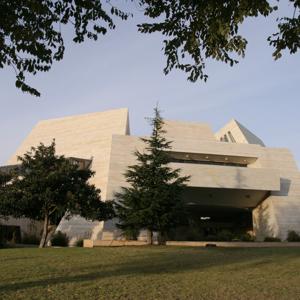


Yom Yerushalayim | The Never Changing, Ever Changing City, by Rav Yitzchak Etshalom
As we celebrate the reunification, בחסדי שמים, of Yerushalayim, we take a look at a favorite Psalm associated with the day; this Tehilla alludes to the dialectic nature of Tziyon, its stability offset by the dynamic experience of visiting our capitol city. This shiur was given at Congregation Poale Zedeck in Pittsburgh on Yom Yerushalayim 2019 in honor of that celebration.
Source sheet >>
Torah Lishmah and "Clothing" our Nakedness (Avot 6:1), by Rav Dovid Gottlieb
Without these middot we are basically naked ....
Learning Pirkei Avot with the commentary of Rav Asher Weiss
Decorating the Shul on Shavuot: Custom and Controversy, by Rav Dovid Gottlieb
This shiur was given to the Kehillat HaEla women's group in Ramat Beit Shemesh.
Discussing one of the very well-known traditional customs, which it turns out, was a hotly debated minhag.
Midot are the Foundation of Everything (Avot 5:19), by Rav Dovid Gottlieb
If midot are important why are they not counted among the 613 mitzvot??
Learning Pirkei Avot with the commentary of Rav Asher Weiss
Bechukotai | Rebuke and Memory, by Rav Yitzchak Etshalom
Why is the rebuke (תוכחה) in Vayikra so much softer than its counterpart in Devarim?
Just having "gotten up" from Shiv'a for his beloved sister, שושנה תמר ז"ל, Rav Etshalom shares observations about the תוכחה, contrasting it with the much more severe threats in Devarim 28 (Ki Tavo) and commenting on the role of memory in the process of moving forward from mourning. יהא זכרה ברוך
Source sheet >>
Ramban on the Torah | 44 | Bechukotai, by Rav Eli Weber
What is the meaning of nature in Ramban's philosophy?
Appreciating Our Potential to Sustain or Destroy the World (Avot 5:1), by Rav Dovid Gottlieb
How do our actions - for good or otherwise - impact the world??
Learning Pirkei Avot with the commentary of Rav Asher Weiss
Behar | When and Where? by Rav Yitzchak Etshalom
Why is the end of Sefer Vayikra identified with Har Sinai?
The last three chapters of Vayikra are identified as being given by Hashem to Moshe בהר סיני - which is typically understood to mean, in apposition to מאהל מועד, atop the mountain and, therefore, before the construction of the Mishkan. This presents a challenge to chronological sequencing of the Torah (מוקדם ומאוחר בתורה), since the first (presumably 24) chapters of Vayikra were given in the "Tent of Meeting". We explore the various approaches of the Midrash Halakha and the Rishonim in deciphering the text's identifying these passages as being given at Har Sinai - and then propose a theory which not only responds to their questions but also casts the narrative sequencing issue in a different light.
Source sheet >>
Ramban on the Torah | 43 | Behar, by Rav Eli Weber
Why is the parasha said on Har Sinai? What is the meaning of Shemitta? How is Yom Kippur like Shabbat?
Having a Good Reputation is the Ultimate "Crown" (Avos 4:13), by Rav Dovid Gottlieb
Why does the Mishna think that a "good reputation" is more prestigious than Kehuna, Malchut and Torah??
Learning Pirkei Avot with the commentary of Rav Asher Weiss
From the publisher's feed
Ranked by our users in the last 21 days

558 Listeners

36 Listeners
649 Listeners

221 Listeners

200 Listeners

1,986 Listeners

235 Listeners

3 Listeners

449 Listeners
1,218 Listeners

3,202 Listeners
147 Listeners

87 Listeners

103 Listeners

905 Listeners