
Sign up to save your podcasts
Or

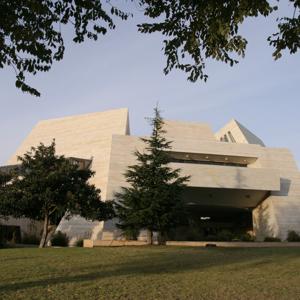


Parashat Toldot with Rav Dovid Gottlieb
#1 - Classical Commentators - Why Did Yitzchok Want to Bless Esav and not Yaakov? #2 - Contemporary Commentators - Yaakov's Moral Dilemma #3 - Sparks of Musar - How We Spend Our "Free Time" Defines Us #4 - Sparks of Chassidus - The Greatest Gift is a Relationship With Hashem #5 - Halacha from the Parsha - Is a Blind Person Obligated in Mitzvos?
Birkat HaMazon - Why, What, Where and When Part 2, given as part of the weekly women's shiur in Kehilat Ha'Ela, by Rav Dovid Gottlieb
Toldot | Your Curse, My Son, Be Upon Me, by Rav Yitzchak Etshalom
What did Rivka mean?
When Yaakov expressed concern over his being caught by his father when trying to gain Esav's blessing, he said והבאתי עלי קללה ולא ברכה - "I may bring upon myself a curse instead of a blessing". Rivka's response to assuage his concern: עלי קללתך בני is a mysterious phrase, with a wide range of exegetical approaches taken by the Rishonim. After surveying the most well-known interpretations, we suggest a different take, anchored in a comment in Bereishit Rabbah, based on understanding Rivka's vested interest in the success of the ruse.
Source sheet >>
Birkat HaMazon - Why, What, Where and When Part 1, given as part of the weekly women's shiur in Kehilat Ha'Ela, by Rav Dovid Gottlieb
Shabbat Candles, Why, Who, What and When Part 2, given as part of the weekly women's shiur in Kehilat Ha'Ela, by Rav Dovid Gottlieb
Parashat Chayei Sara 5782 with Rav Dovid Gottlieb
#1 - Classical Commentators - Avraham's Marriage Advice: Bad Midos Are Worse Than Avodah Zara #2 - Contemporary Commentators - "Ger ve'Toshav": The Dual Identity of the Jew #3 - Sparks of Chassidus - What's Truly Important in Life? A Powerful Insight from the Tolna Rebbe #4 - Sparks of Mussar - Calm Under Fire: Learning From Avraham's Inspiring Example #5 - Midrash - Who Was Eliezer? The Midrash Paints a Complex Portrait
Chayei Sara | Place your Hand under my Thigh - Solving a Bereishit Riddle, by Rav Yitzchak Etshalom
When Avraham prepares to send his slave to find a wife for Yitzhak, he makes a curious demand of him: "Put your hand under my thigh" either as a prefatory act to an oath or as part of the oath itself. This request/demand appears in only one other place in Tanakh - when Yaakov has Yosef put his hand under his father's thigh before committing to bury his dying father in Canaan. What is the meaning of this odd practice? Is it rooted in near eastern oath customs? Connected to the Halakhic requirement of holding a sanctified item while swearing? Is it a sign of servitude? We survey the approaches of the Rishonim - including some surprising observations - and then offer a new wrinkle to solve this age-old conundrum.
Thoughts about Rabbi Lord Jonathan Sacks - based on the Netziv's profile of Sara Imenu, by Rav Moshe Taragin
For more in tribute to Rabbi Jonathan Sacks zt"l >>
Parashat Vayera 5782 with Rav Dovid Gottlieb
#1 - Classical Commentators - What Event Led to Akeidas Yitzhak? #2 - Sparks of Chassidus - The Secret to Avraham's Success: A Remarkable Insight from the Kozhnitzer Maggid #3 - Contemporary Commentators - The True Beneficiary of Our Chessed: A Powerful Chiddush from Rav Nissan Alpert #4 - Sparks of Mussar - Sara's Laughter And Our (non)Belief in Mashiach - An Incredible Teaching of the Chafetz Chayim #5 - Midrash What Happened to Avraham and Yitzchok On the Way to the Akeida?
Vayera | "If There Are Fifty": Why Fifty, Why Ten...Why Not One?, by Rav Yitzchak Etshalom
Avraham's famous negotiations with God to spare the city of Sodom are perhaps the most gallant confrontational stand any human has taken against God - yet the power of the scene eclipse some of the oddities of the give-and-take. Why does Avraham start his negotiations with "If there are 50 innocent people..." - and why does he stop when he successfully gets God to agree to spare the city if there are only ten innocents? More to the point - what are these numbers all about? Why not argue that if one innocent person dies, to borrow from Blackstone, that is a lack of justice. In addition, the text goes out of its way to tell us that Avraham gazed down at the destruction which leaves us wondering why this story is in Chumash at all.
Sourcesheet >>
From the publisher's feed
Ranked by our users in the last 21 days

560 Listeners

36 Listeners
648 Listeners

220 Listeners

201 Listeners

1,985 Listeners

234 Listeners

3 Listeners

456 Listeners
1,222 Listeners

3,216 Listeners
144 Listeners

87 Listeners

105 Listeners

905 Listeners