
Sign up to save your podcasts
Or

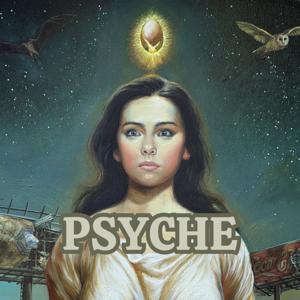

In this episode, I explore Richard Rorty’s essay “Moral Identity and Private Autonomy” from Essays on Heidegger and Others and think through one of the tensions that has been staying with me lately: how to honor private self-creation without letting it collapse into a form of individualism that forgets public responsibility. I reflect on Rorty’s reading of Foucault, his idea of the “knight of autonomy,” and why I find myself deeply resonating with that figure through my own sense of being an otrovert — someone drawn to autonomy, inward authority, and the refusal of borrowed foundations.
At the same time, I wrestle with my fear that the private/public distinction can leave democratic life too thin, even as I remain deeply doubtful that a return to shared religious, philosophical, or universal foundations would actually produce the solidarity people imagine. From there, I explore Rorty’s provocative suggestion that people can be humane without being universalists, and I consider how art and culture — including the imperfect but moving example of Apple TV's Shrinking — may help create a shared public vocabulary through empathy, grief, failure, and recognition rather than through doctrine or theory.
This is an episode about autonomy, democracy, suffering, self-creation, and the difficult task of trying to remain faithful to one’s own vocabulary while still taking part in the shared work of making the world more decent for others.
 View all episodes
 By Quique Autrey
5
1515 ratings
In this episode, I explore Richard Rorty’s essay “Moral Identity and Private Autonomy” from Essays on Heidegger and Others and think through one of the tensions that has been staying with me lately: how to honor private self-creation without letting it collapse into a form of individualism that forgets public responsibility. I reflect on Rorty’s reading of Foucault, his idea of the “knight of autonomy,” and why I find myself deeply resonating with that figure through my own sense of being an otrovert — someone drawn to autonomy, inward authority, and the refusal of borrowed foundations.
At the same time, I wrestle with my fear that the private/public distinction can leave democratic life too thin, even as I remain deeply doubtful that a return to shared religious, philosophical, or universal foundations would actually produce the solidarity people imagine. From there, I explore Rorty’s provocative suggestion that people can be humane without being universalists, and I consider how art and culture — including the imperfect but moving example of Apple TV's Shrinking — may help create a shared public vocabulary through empathy, grief, failure, and recognition rather than through doctrine or theory.
This is an episode about autonomy, democracy, suffering, self-creation, and the difficult task of trying to remain faithful to one’s own vocabulary while still taking part in the shared work of making the world more decent for others.

90,994 Listeners
15,251 Listeners
2,117 Listeners
1,461 Listeners

135 Listeners

313 Listeners
512 Listeners
583 Listeners
593 Listeners
354 Listeners
3,590 Listeners

59 Listeners

202 Listeners
287 Listeners
233 Listeners