
Sign up to save your podcasts
Or



Chime In, Send Us a Text or Voice Message!
Episode 81: Managing PFO after Stroke: A discussion on diagnosis, treatment options including the patient perspectives and quality of life decisions with David Thaler,MD of Tufts Medical Center.
This conversation in collaboration with the SAYA Consortium explores the relationship between patent foramen ovale (PFO) and stroke, particularly in young adults. Our expert guest, Dr. David Thaler, a vascular neurologist with Tufts Medical Center, discusses the definition of PFO, its diagnosis, and its implications for stroke risk. The discussion highlights the importance of understanding cryptogenic strokes, which often have no identifiable cause, the PFO paradox and how a PFO is often discovered with cryptogenic strokes, the diagnostic tests and the management options available for patients with PFO. The conversation emphasizes the need for patient education and awareness regarding stroke risks and prevention strategies. In this conversation, Dr. Thaler discusses the implications of PFO closure in recurrent stroke prevention, medical management and the importance of patient choice and quality of life, plus the outcomes of the RESPECT Trial. Co-host David Dansereau shares his patient experience as a stroke survivor with PFO who elected for device closure. The dialogue highlights the evolving landscape of PFO research and the significance of understanding individual patient risks and lifestyle choices.
More About Our Guest: David Thaler,MD-Tufts Medical Center
Show mentions: Lester Leung,MD, Katelyn Skeels, SAYA Consortium, RESPECT Trial , Co-Host David's Book Closure
Thanks to: Rory Polera (guest on Ep.69), stroke survivor and interview outline reviewer with SAYA Consortium
Additional Education: What You Should Know About PFO, This episode will be available in video format on SAYA Consortium YouTube Channel soon
https://youtu.be/whs3HxQGB24?si=C_Ye30k-WTHO5PV2
Support Our Show!
Thank you for helping us to continue to make great content. We appreciate your generosity!
Support the show
Show credits:
Music intro credit to Jake Dansereau. Our intro welcome is the voice of Caroline Goggin, a stroke survivor and our first podcast guest! Please listen to her inspiring story on Episode 2 of the podcast.
Connect with Us and Share our Show on Social:
Website | Linkedin | Twitter | YouTube | Facebook | Substack
Know Stroke Podcast Disclaimer:
Our podcast and media advertising services are for informational purposes only and do not constitute the practice of medical advice, diagnosis or treatment.
Get Our Podcast News Updates on Substack
Chime In, Send Us a Text or Voice Message!
In this episode of the Know Stroke Podcast, hosts David Dansereau and Mike Garrow reconnect after a break to recap everything that happened at ISC25 and the National Advisory Committee meeting.
Fresh off the heels of the International Stroke Conference (ISC25), they discuss key takeaways from the event, including:
✅ The latest innovations in stroke rehabilitation, including VR, gamification, and alternative care models
✅ The critical role of stroke nurse navigators in post-stroke recovery
✅ The need for stronger representation of stroke survivors at major conferences
✅ The ongoing challenges in stroke prevention, education, and care
They also share insights on upcoming Know Stroke Podcast episodes, future guest interviews, and why community-based support and survivor advocacy remain at the forefront of improving stroke care.
💡 Key Takeaways from This Episode:
Show mentions:
Support the show
Show credits:
Music intro credit to Jake Dansereau. Our intro welcome is the voice of Caroline Goggin, a stroke survivor and our first podcast guest! Please listen to her inspiring story on Episode 2 of the podcast.
Connect with Us and Share our Show on Social:
Website | Linkedin | Twitter | YouTube | Facebook | Substack
Know Stroke Podcast Disclaimer:
Our podcast and media advertising services are for informational purposes only and do not constitute the practice of medical advice, diagnosis or treatment.
Get Our Podcast News Updates on Substack
Chime In, Send Us a Text or Voice Message!
In this special episode recorded live at the International Stroke Conference (ISC25), we dive into the American Stroke Association’s pilot program, Stroke Connections. This initiative is designed to amplify the voices of stroke survivors and caregivers, ensuring their lived experiences are heard at the conference—a group that has historically been underrepresented in stroke research and advocacy.
Join me as I chat with Stephanie Mohl, National Vice President of the American Stroke Association, and two inspiring stroke survivors and advisory committee members, Gracie Doran and Michelle Ballasiotes (previous guest on Episode 55). We discuss how the Stroke Connections pilot is bridging the gap between research and lived experience, and the importance of community and advocacy for improving stroke care.
While the program is still in its early stages, the goal is to secure sponsors to expand and make survivor perspectives a permanent part of future conferences.
Takeaways from this episode:
Support the show
Show credits:
Music intro credit to Jake Dansereau. Our intro welcome is the voice of Caroline Goggin, a stroke survivor and our first podcast guest! Please listen to her inspiring story on Episode 2 of the podcast.
Connect with Us and Share our Show on Social:
Website | Linkedin | Twitter | YouTube | Facebook | Substack
Know Stroke Podcast Disclaimer:
Our podcast and media advertising services are for informational purposes only and do not constitute the practice of medical advice, diagnosis or treatment.
Get Our Podcast News Updates on Substack
Chime In, Send Us a Text or Voice Message!
Welcome to Episode 78 of the Know Stroke Podcast. On this episode co-host David Dansereau is running solo without his broadcasting partner Mike Garrow, who is traveling to LA to attend the 2025 International Stroke Conference ( and maybe he’ll even fit in a Lakers game while there! )
Mike will be taking part in advisory board meetings for the American Heart and Stroke Association, sharing his valuable care provider lived experience and advocacy perspectives.
For our listeners attending ISC, please introduce yourself to Mike!
On this first episode of 2025, David gives a quick update to why he hasn’t been behind the microphone for a bit on the show, and also covers his own ‘magic wand’ answer to our somewhat famous question we’ve asked every guest on our show.
David also reveals the origin story behind the magic wand question, how it's tied to research initiated while at the International Stroke Conference (ISC), his current book project (Closure After Stroke), and what all the knowledge gained from these answers reveals about changes needed to the stroke care pathway. Here are some of the common themes around changes needed in stroke care (see linked post for details):
Also David thanks one of our show supporters who reached out to him recently, politely inquiring, ‘are you still doing the show??’
So hopefully this episode answers that question too and with it ensures your continued needed support! Help Us -Be a Show Supporter!
Show Mentions:
More on our famous podcast question
The Slinky Effect in Stroke Recovery
The Real Problem with Stroke
Closure Book
Support the show
Show credits:
Music intro credit to Jake Dansereau. Our intro welcome is the voice of Caroline Goggin, a stroke survivor and our first podcast guest! Please listen to her inspiring story on Episode 2 of the podcast.
Connect with Us and Share our Show on Social:
Website | Linkedin | Twitter | YouTube | Facebook | Substack
Know Stroke Podcast Disclaimer:
Our podcast and media advertising services are for informational purposes only and do not constitute the practice of medical advice, diagnosis or treatment.
Get Our Podcast News Updates on Substack
Chime In, Send Us a Text or Voice Message!
In this episode, we explore the critical role of social determinants of health (SDOH) in stroke prevention and recovery with an incredible panel of experts from the Bugher Collaborative. Our guests include:
We dive into:
This conversation builds on our discussion of the 2024 ASA Stroke Prevention Guidelines, offering a deeper dive into the intersection of health equity and stroke care.
Resources and Links:
Support Our Show!
Thank you for helping us to continue to make great content. We appreciate your generosity!
Support the show
Show credits:
Music intro credit to Jake Dansereau. Our intro welcome is the voice of Caroline Goggin, a stroke survivor and our first podcast guest! Please listen to her inspiring story on Episode 2 of the podcast.
Connect with Us and Share our Show on Social:
Website | Linkedin | Twitter | YouTube | Facebook | Substack
Know Stroke Podcast Disclaimer:
Our podcast and media advertising services are for informational purposes only and do not constitute the practice of medical advice, diagnosis or treatment.
Get Our Podcast News Updates on Substack
Chime In, Send Us a Text or Voice Message!
In this episode of the Know Stroke Podcast, hosts Mike Garrow and David Dansereau welcome Vineet Johnson, a licensed physical therapist and entrepreneur, to explore the transformative potential of neuroplasticity in stroke rehabilitation. Vineet discusses the development of his iRegain device, highlighting its focus on gamification, patient engagement, and home therapy. The conversation delves into the challenges of funding, the importance of clinical trial access, and success stories from patients. Vineet envisions a future where affordable and accessible technologies drive recovery.
Episode highlights:
Learn more about IRegained LLC here - https://iregained.ca/index.php
Connect with Vineet - [email protected]
Support Our Show!
Thank you for helping us to continue to make great content. We appreciate your generosity!
Support the show
Show credits:
Music intro credit to Jake Dansereau. Our intro welcome is the voice of Caroline Goggin, a stroke survivor and our first podcast guest! Please listen to her inspiring story on Episode 2 of the podcast.
Connect with Us and Share our Show on Social:
Website | Linkedin | Twitter | YouTube | Facebook | Substack
Know Stroke Podcast Disclaimer:
Our podcast and media advertising services are for informational purposes only and do not constitute the practice of medical advice, diagnosis or treatment.
Get Our Podcast News Updates on Substack
Chime In, Send Us a Text or Voice Message!
In this episode of the Know Stroke Podcast, Rachel Forman, a stroke neurologist at Yale, discusses the latest American Stroke Association guidelines for stroke prevention. The conversation covers various topics including the importance of social determinants of health, dietary recommendations, exercise, blood pressure control, and the role of GLP-1 medications. Rachel emphasizes the need for individualized care and community engagement to effectively address stroke risks and improve patient outcomes. She also highlights the significance of mental health support for stroke survivors and the importance of awareness around gender-specific risks.
Takeaways
Support Our Show!
Thank you for helping us to continue to make great content. We appreciate your generosity!
Support the show
Show credits:
Music intro credit to Jake Dansereau. Our intro welcome is the voice of Caroline Goggin, a stroke survivor and our first podcast guest! Please listen to her inspiring story on Episode 2 of the podcast.
Connect with Us and Share our Show on Social:
Website | Linkedin | Twitter | YouTube | Facebook | Substack
Know Stroke Podcast Disclaimer:
Our podcast and media advertising services are for informational purposes only and do not constitute the practice of medical advice, diagnosis or treatment.
Get Our Podcast News Updates on Substack
Chime In, Send Us a Text or Voice Message!
Episode 74 Guest Lester Leung,MD- Founder Headway Neurology,LLC
In Season 2 Episode 7 we first interviewed Lester Y. Leung, MD, MSc of Tufts MC.
Dr Leung is a Board Certified Vascular & Neneral Neurologist, Assistant Professor of Neurology, Director, Comprehensive Stroke Center at Tufts Medical Center and Director and Founder, Stroke and Young Adults (SAYA) Program.
In this episode we caught up with Dr. Leung again to learn about the launch of his new Advancing Stroke Recovery Program (ASR) at Headway Neurology,LLC
Headway Neurology LLC is a neurology micropractice based in Newton, MA. Dr. Leung has been serving Eastern Massachusetts and surrounding states since 2015. Headway Neurology operates as a direct care (self pay) practice in order to improve access and scheduling flexibility and minimize overhead (providing a more personal experience, unfettered by corporate healthcare).
Learn more: https://www.headwayneurology.com/
Show Mentions:
MedRhythms
Vivistim
Support Our Show!
Thank you for helping us to continue to make great content. We appreciate your generosity!
Support the show
Show credits:
Music intro credit to Jake Dansereau. Our intro welcome is the voice of Caroline Goggin, a stroke survivor and our first podcast guest! Please listen to her inspiring story on Episode 2 of the podcast.
Connect with Us and Share our Show on Social:
Website | Linkedin | Twitter | YouTube | Facebook | Substack
Know Stroke Podcast Disclaimer:
Our podcast and media advertising services are for informational purposes only and do not constitute the practice of medical advice, diagnosis or treatment.
Get Our Podcast News Updates on Substack
Chime In, Send Us a Text or Voice Message!
In this SnapCast, David and Mike discuss their transition to a new recording studio and their plans for the future. They also talk about Mike's appointment to an advisory committee for the American Heart and American Stroke Association. The hosts mention their upcoming break and the possibility of replaying previous episodes during that time. They express gratitude for the feedback received on the Vivistim series and encourage listeners to stay active and participate in community events.
Takeaways
Support the show
Show credits:
Music intro credit to Jake Dansereau. Our intro welcome is the voice of Caroline Goggin, a stroke survivor and our first podcast guest! Please listen to her inspiring story on Episode 2 of the podcast.
Connect with Us and Share our Show on Social:
Website | Linkedin | Twitter | YouTube | Facebook | Substack
Know Stroke Podcast Disclaimer:
Our podcast and media advertising services are for informational purposes only and do not constitute the practice of medical advice, diagnosis or treatment.
Get Our Podcast News Updates on Substack
Chime In, Send Us a Text or Voice Message!
Episode 73: We’re excited to continue our partnership with Vivistim as part of a Know Stroke Podcast spotlight series for May! Today's interview is with Tim Blinten, a young stroke survivor from Massachusetts who shares his story and a #strokethriver and real world experience with Vivistim.
In our first episode of this series we spoke with Teresa Jacobson Kimberley, PT, PhD, FAPTA. She walked us through the science behind vagus nerve stimulation and her research findings with the Vivistim technology.
Thank you again Vivistim for your support in this stroke awareness month spotlight series!
You can get in touch with Tim here:
Disclaimer: “The MicroTransponder® Vivistim® Paired VNS™ System is intended to be used to stimulate the vagus nerve during rehabilitation therapy in order to reduce upper extremity motor deficits and improve motor function in chronic ischemic stroke patients with moderate to severe arm impairment. Do not use if you have had a bilateral or left cervical vagotomy. Risks may include, but are not limited to pain after surgery, hoarseness, bruising, swelling, coughing and throat irritation. While not observed in the Vivistim studies, infection leading to explant is a risk associated with any device surgery. For full safety information, please see www.vivistim.com/safety. Individual results may vary.”
Regulatory note: In 2021, the U.S. Food and Drug Administration (FDA) approved paired vagus nerve stimulation (VNS) for patients with moderate-to-severe upper extremity motor impairments following chronic ischemic stroke.
Support Our Show!
Thank you for helping us to continue to make great content. We appreciate your generosity!
Support the show
Show credits:
Music intro credit to Jake Dansereau. Our intro welcome is the voice of Caroline Goggin, a stroke survivor and our first podcast guest! Please listen to her inspiring story on Episode 2 of the podcast.
Connect with Us and Share our Show on Social:
Website | Linkedin | Twitter | YouTube | Facebook | Substack
Know Stroke Podcast Disclaimer:
Our podcast and media advertising services are for informational purposes only and do not constitute the practice of medical advice, diagnosis or treatment.
Get Our Podcast News Updates on Substack
From the publisher's feed
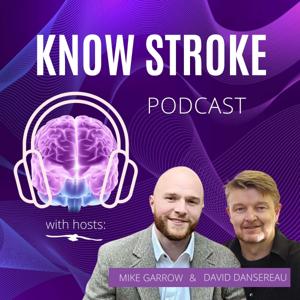
Welcome to the Know Stroke Podcast with your co-hosts Mike Garrow (stroke caregiver) & David Dansereau (stroke survivor). Listen back to Episode 1 of the podcast to hear our personal…
Connect with Us and Share our Show on Social:
Website | Linkedin
| YouTube | Facebook | Substack
Our Mission:
Empowering stroke survivors and their care teams to take control of life after stroke.
Know Stroke Podcast Disclaimer:
Our podcast and media advertising services are for informational purposes only and do not constitute the practice of medical advice, diagnosis or treatment. Always talk to your health care provider for diagnosis and treatment, including your specific medical needs.

93 Listeners