
Sign up to save your podcasts
Or



Based on Podcast App listening data
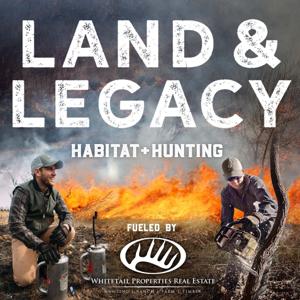
On this episode of the Land & Legacy Podcast, Adam Keith breaks down why it’s time to get in the woods and hunt. The moon is rising at the right time, barometric pressure is high, and even though the weather hasn’t changed much, the conditions are right to make a move. Don’t wait around for the perfect cold front or ideal forecast. Deer are moving, pressure is building, and sometimes the best opportunity comes when you quit waiting and start hunting. It’s time to get out there!
Matt and Adam dive into the social dynamics of a deer herd and how buck behavior can influence the age structure and quality of bucks on your property. From timid young bucks trying to establish their place to aggressive bully bucks that dominate an area, they discuss how these interactions shape deer movement, competition, and the overall hunting experience. They also explore how dominant bucks can pressure younger deer into leaving the property, potentially leaving landowners with a herd dominated by aggressive, inferior-antlered bucks. Understanding these behaviors can help land managers better evaluate the bucks using their property and make informed decisions about habitat management, hunting pressure, and long-term herd objectives.
Two weeks ago, Adam and Matt discussed how extreme heat, drought, and changing food sources created an unexpected opportunity during Missouri’s early archery season. In this episode, Adam shares the story of harvesting a 12-point buck and the decisions, observations, and habitat conditions that helped make the hunt come together. From understanding how deer shift their movement as agricultural crops are harvested to identifying pinch points between bedding cover and available food sources, this story highlights the importance of knowing your property and adapting to changing conditions. It’s another reminder that successful deer hunting is about more than trail camera pictures or sticking to a plan—it’s about understanding deer behavior, recognizing opportunities, and making the most of the conditions in front of you.
When Extreme Conditions Create Opportunity
Missouri’s early archery season opened with some of the most challenging conditions imaginable—extreme heat, drought, dry soils, and very little available food. Yet those same conditions created a unique opportunity for Matt Dye, who was able to harvest a mature buck on the second evening of the season.
In this episode, Adam and Matt break down the entire hunt and the history of a buck that seemingly disappeared for nearly two years. Matt first encountered the deer in 2024 around his home, where it was part of a bachelor group utilizing a strong alfalfa food plot. After disappearing from trail cameras and seemingly vanishing from the area, the buck unexpectedly reappeared in September 2026—right in the middle of an extreme drought.
The conversation goes much deeper than the story of one successful hunt. Adam and Matt discuss how agricultural practices, harvested corn, neighboring alfalfa, drought, limited food sources, and a small brassica plot all combined to concentrate deer movement. They also break down why Matt chose a particular pinch point between cover and food, how he hunted the area cautiously, and why a lack of trail-camera pictures didn't necessarily mean deer weren't using the area.
The episode also provides a great reminder that deer behavior is constantly changing based on available resources. In extreme conditions, properties and food sources that normally aren't important can suddenly become the most attractive areas in the neighborhood. Being able to recognize those changes—and anticipate where deer will go next—is a major part of becoming a better land manager and woodsman.
Adam and Matt also discuss the challenges of growing fall food plots in the Ozarks, why rainfall timing can be more important than simply planting a food plot, and how harvested crops can become extremely valuable wildlife resources at exactly the right time.
Finally, they look ahead at how the coming rain, falling acorns, changing temperatures, and shifting food sources could completely change deer patterns over the next few weeks.
In this episode:
Matt’s early-season Missouri buck
The two-year history of a mature deer that disappeared
Hunting through extreme heat and drought
How harvested corn concentrated deer movement
Using agriculture and wildlife resources to identify hunting opportunities
Why trail cameras don't always tell the whole story
Designing food plots to influence deer movement
Hunting pinch points between cover and food
The challenges of growing fall food plots in the Ozarks
How drought can shift deer within their existing home range
Why land managers need to anticipate changing food sources
Preparing for the next major shift as rain, cooler temperatures, and acorns arrive
Sometimes the conditions that look like the worst hunting conditions can actually create some of the best opportunities—if you're paying attention to how the landscape is changing.
Adam and Matt discuss their early-season hunting plans and the food sources they’ll be watching closely this fall. From standing and cut corn to persimmons and brassicas, they break down how deer use these food sources and how changing conditions can influence movement.
They also cover bedding, access, staging areas, hunting pressure, and how to identify the right opportunities without putting too much pressure on the property.
Tune in as Adam and Matt break down their early-season strategy and what they’re looking for when it’s time to hit the woods.
This episode of the Land & Legacy Podcast is all about family, summertime preparation, and three unforgettable nights in the whitetail woods with Alan Summerford and his son, Reid.
Hunting in the heat of summer, Alan and Reid focused their efforts around joint vetch food plots, putting their preparation and patience to the test. Reid struck first, taking a buck on back-to-back nights and quickly turning the hunt into a father-son adventure neither of them would forget.
Then, on night three, it was Alan’s turn.
Three consecutive nights. Three successful hunts. And a whole lot of memories made together.
From sitting over summer food plots in the heat to putting in the work and making the most of every opportunity, this episode highlights what hunting is really about — time spent outdoors, sharing the experience with family, and making memories that last long after the season ends.
Join Alan and Reid as they break down the hunts, the preparation, the strategy behind hunting joint vetch, and the moments that made this three-night stretch one to remember.
With most things in life, we like to complicate things. On this week's podcast we sit down with Adam Brooke of Veritas Outfitters to discuss archery setups and how to cut through the fluff. We're talking arrow setups, nocks, new bows, and all things archery!
Saddle Hunting: A Private-Land Advantage with Tethrd
In this episode of the Land & Legacy Podcast, Adam sits down with Josh Hillyard from Tethrd Hunting to dive into saddle hunting and why this versatile hunting method can be especially valuable for private-land hunters.
Saddle hunting has changed the way many hunters approach the woods, giving them the ability to hunt from trees that traditional stands simply can’t access. For private-land landowners, that mobility can be a major advantage when it comes to hunting specific deer movement patterns, accessing difficult terrain, and taking advantage of the habitat improvements they’ve worked so hard to create.
Adam and Josh discuss the fundamentals of saddle hunting, what makes the system different from a traditional tree stand, and how hunters can use it to become more mobile and strategic throughout the season. They also explore how saddle hunting can fit into a broader land-management strategy—allowing hunters to adapt their setups around food plots, bedding areas, travel corridors, terrain features, and changing deer behavior.
Whether you’re already hunting from a saddle or have been considering making the switch, this conversation provides practical insight into how this technique can help private-land hunters hunt smarter, minimize pressure, and make better use of the habitat they’ve created.
Tune in as Adam and Josh break down saddle hunting and how private landowners can utilize this technique to become more mobile, adaptable, and effective in the deer woods.
Adam and Alan sit down to discuss one of the most important parts of deer hunting that often gets overlooked: pre-season preparation. A successful hunt doesn't begin when you climb into a tree on opening morning—it begins weeks and months beforehand with understanding the property, studying deer movement, placing trail cameras strategically, and making sure your stand locations actually match the conditions you plan to hunt.
The conversation starts with trail camera placement and why hunters shouldn't simply hang cameras wherever they see a good trail. Adam and Alan discuss using cameras to answer specific questions about deer movement, bedding areas, food sources, staging areas, funnels, and travel corridors. They also cover the importance of understanding when deer are moving rather than simply identifying which bucks are using the property.
From the publisher's feed
Ranked by our users in the last 21 days
4,856 Listeners
1,500 Listeners

777 Listeners

506 Listeners
581 Listeners
1,247 Listeners
820 Listeners
639 Listeners
1,429 Listeners
565 Listeners
547 Listeners
1,680 Listeners
1,223 Listeners

372 Listeners
203 Listeners