
Sign up to save your podcasts
Or

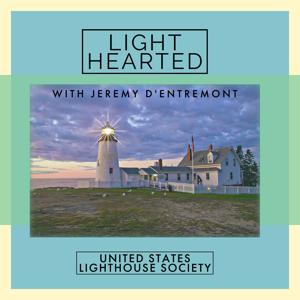

Cape Hatteras Lighthouse on North Carolina’s Outer Banks is one of the most visited lighthouses in the world. Offshore from Cape Hatteras is a dangerous twelve-mile long sandbar called Diamond Shoals. Countless shipwrecks there led to the nickname “Graveyard of the Atlantic.” A lighthouse was first authorized at Cape Hatteras in 1794, and the station began service in 1803. The lighthouse that stands today began service on December 16, 1870. It got its famous black and white spiral daymark three years later, making it easier to tell apart from other area lighthouses. At 198 feet, it’s the tallest lighthouse in the United States and the second tallest brick lighthouse in the world.
Cape Hatteras Light Station was transferred to the National Park Service in 1937. The National Park Service continues to manage the lighthouse and keepers’ quarters, as well as conducting public tours. The Outer Banks Lighthouse Society also actively supports all North Carolina Lighthouses. A major restoration of Cape Hatteras Lighthouse will soon be underway.
There are two people in today’s interview. Alisa Hardin-Lapp is the supervisory park ranger for the Hatteras Island District, and John Havel is a board member of the Outer Banks Lighthouse Society who has done many years of research on the history of Cape Hatteras light station.
 View all episodes
 By Jeremy D'Entremont, U.S. Lighthouse Society

4.8
7171 ratings
Cape Hatteras Lighthouse on North Carolina’s Outer Banks is one of the most visited lighthouses in the world. Offshore from Cape Hatteras is a dangerous twelve-mile long sandbar called Diamond Shoals. Countless shipwrecks there led to the nickname “Graveyard of the Atlantic.” A lighthouse was first authorized at Cape Hatteras in 1794, and the station began service in 1803. The lighthouse that stands today began service on December 16, 1870. It got its famous black and white spiral daymark three years later, making it easier to tell apart from other area lighthouses. At 198 feet, it’s the tallest lighthouse in the United States and the second tallest brick lighthouse in the world.
Cape Hatteras Light Station was transferred to the National Park Service in 1937. The National Park Service continues to manage the lighthouse and keepers’ quarters, as well as conducting public tours. The Outer Banks Lighthouse Society also actively supports all North Carolina Lighthouses. A major restoration of Cape Hatteras Lighthouse will soon be underway.
There are two people in today’s interview. Alisa Hardin-Lapp is the supervisory park ranger for the Hatteras Island District, and John Havel is a board member of the Outer Banks Lighthouse Society who has done many years of research on the history of Cape Hatteras light station.

23,765 Listeners

26,197 Listeners

1,572 Listeners
4,755 Listeners

111,948 Listeners
1,346 Listeners
906 Listeners
294 Listeners
3,422 Listeners
18,053 Listeners
19,045 Listeners
11,682 Listeners

1,180 Listeners