
Sign up to save your podcasts
Or

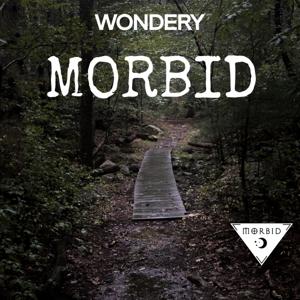

In April 1834, a massive fire broke out at the mansion of Delphine LaLaurie on Royal Street in New Orleans French Quarter. LaLaurie was known to have kept several slaves as servants in the home, but when bystanders attempted to enter the house to rescue those trapped inside, they found the doors barred. After forcing the doors open and making their way inside the house, the rescuers were horrified to find the “horribly mutilated” bodies of at least seven of LaLaurie’s slaves. Delphine LaLaurie was known to treat her servants very badly, including physically abusing them, but no one in New Orleans had imagined she was a sadistic murderer.
After the discovery of the horrors in the LaLaurie mansion, Delphine LaLaurie fled New Orleans, fearing mob violence, and lived the rest of her life as an exile in Paris—but that is not the end of the story. Just a few decades after LaLaurie abandoned her home and fled the country, her story and those of the men, women, and children who suffered in her home worked their way into New Orleans folklore. Today, nearly two hundred years later, the LaLaurie mansion has become known as the most haunted house in New Orleans, and the legend of Delphine LaLaurie has lived on through television, film, and books about Mad Madame LaLaurie.
Buy Tickets to our LIVE SHOW at Radio City Music Hall on June 27th!
Crawford, Iain. 2020. "Harriet Matineau, White Women, and Slavery in the bAntebellum South." Nineteenth-Century Prose 89-116.
Long, Carolyn Morrow. 2015. Madame Lalaurie, Mistress of the Haunted House. Gainsville, FL: University Press of Florida.
Martineau, Harriet. 1838. Retrospect of Western Travel, volume 2. London, UK: Saunders and Otley.
Masia, Ines Vila. 1947. "New Orleans puts its ghosts to work." The Times (Shreveport, LA), July 20: 21.
New Orleans Bee. 1834. "Baton Rouge news." Baton-Rouge Gazette, April 19: 2.
Pitts, Stella. 1974. "New paint, old stories stir interest in 'haunted house'." Times-Picayune, August 11: 68.
Schneider, Frank. 1969. "Sale typidies French Quarter values." Times-Picayune, February 9: 47.
Wolfe, Poet. 2024. "LaLaurie Mansion in New Orleans has a sinister history dating back to the 1830s." Times Picayune, July 11.
Cowritten by Alaina Urquhart, Ash Kelley & Dave White (Since 10/2022)
Produced & Edited by Mikie Sirois (Since 2023)
Research by Dave White (Since 10/2022), Alaina Urquhart & Ash Kelley
Listener Correspondence & Collaboration by Debra Lally
Listener Tale Video Edited by Aidan McElman (Since 6/2025)
Hosted by Simplecast, an AdsWizz company. See pcm.adswizz.com for information about our collection and use of personal data for advertising.
 View all episodes
 By Ash Kelley & Alaina Urquhart

4.4
9661496,614 ratings
In April 1834, a massive fire broke out at the mansion of Delphine LaLaurie on Royal Street in New Orleans French Quarter. LaLaurie was known to have kept several slaves as servants in the home, but when bystanders attempted to enter the house to rescue those trapped inside, they found the doors barred. After forcing the doors open and making their way inside the house, the rescuers were horrified to find the “horribly mutilated” bodies of at least seven of LaLaurie’s slaves. Delphine LaLaurie was known to treat her servants very badly, including physically abusing them, but no one in New Orleans had imagined she was a sadistic murderer.
After the discovery of the horrors in the LaLaurie mansion, Delphine LaLaurie fled New Orleans, fearing mob violence, and lived the rest of her life as an exile in Paris—but that is not the end of the story. Just a few decades after LaLaurie abandoned her home and fled the country, her story and those of the men, women, and children who suffered in her home worked their way into New Orleans folklore. Today, nearly two hundred years later, the LaLaurie mansion has become known as the most haunted house in New Orleans, and the legend of Delphine LaLaurie has lived on through television, film, and books about Mad Madame LaLaurie.
Buy Tickets to our LIVE SHOW at Radio City Music Hall on June 27th!
Crawford, Iain. 2020. "Harriet Matineau, White Women, and Slavery in the bAntebellum South." Nineteenth-Century Prose 89-116.
Long, Carolyn Morrow. 2015. Madame Lalaurie, Mistress of the Haunted House. Gainsville, FL: University Press of Florida.
Martineau, Harriet. 1838. Retrospect of Western Travel, volume 2. London, UK: Saunders and Otley.
Masia, Ines Vila. 1947. "New Orleans puts its ghosts to work." The Times (Shreveport, LA), July 20: 21.
New Orleans Bee. 1834. "Baton Rouge news." Baton-Rouge Gazette, April 19: 2.
Pitts, Stella. 1974. "New paint, old stories stir interest in 'haunted house'." Times-Picayune, August 11: 68.
Schneider, Frank. 1969. "Sale typidies French Quarter values." Times-Picayune, February 9: 47.
Wolfe, Poet. 2024. "LaLaurie Mansion in New Orleans has a sinister history dating back to the 1830s." Times Picayune, July 11.
Cowritten by Alaina Urquhart, Ash Kelley & Dave White (Since 10/2022)
Produced & Edited by Mikie Sirois (Since 2023)
Research by Dave White (Since 10/2022), Alaina Urquhart & Ash Kelley
Listener Correspondence & Collaboration by Debra Lally
Listener Tale Video Edited by Aidan McElman (Since 6/2025)
Hosted by Simplecast, an AdsWizz company. See pcm.adswizz.com for information about our collection and use of personal data for advertising.

13,243 Listeners

172,000 Listeners

3,938 Listeners

12,100 Listeners

10,914 Listeners

9,827 Listeners

24,554 Listeners

370,110 Listeners

47,654 Listeners

2,239 Listeners
23,038 Listeners
18,519 Listeners

185 Listeners

18,053 Listeners

10,515 Listeners

32 Listeners

58,066 Listeners

115 Listeners

22 Listeners

19,045 Listeners

4,455 Listeners

88 Listeners

18 Listeners

11,682 Listeners
432 Listeners

29,175 Listeners

6,166 Listeners

19,524 Listeners

417 Listeners

163 Listeners

27 Listeners

18 Listeners

801 Listeners

96 Listeners

2 Listeners