
Sign up to save your podcasts
Or

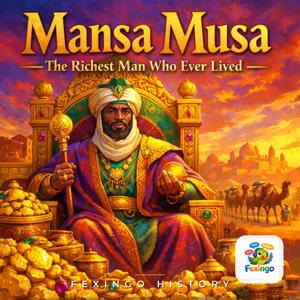


In 1326, Mansa Musa launched an ambitious irrigation project to carve a canal from the Niger River near Koulikoro, aiming to transform the Sahel into a breadbasket. This episode explores the engineering vision, the role of the farba (provincial governors), and the jeliw (griots) who preserved its memory. Drawing on accounts by al-Umari and the Tarikh al-Sudan, we examine why the canal failed—whether due to geological challenges, Songhai resistance, or shifting imperial priorities. We also discuss the broader context of Mali's hydraulic projects, including the use of foggara-like tunnels and the politics of water control in the Niger inland delta. How does this lost project reshape our understanding of Mansa Musa's reign?
#MansaMusa #MaliEmpire #NigerCanal #Irrigation #Sahel #Farba #Jeliw #AlUmari #TarikhAlSudan #Koulikoro #Songhai #Banco #Laterite #NigerInlandDelta #HydraulicEngineering #MedievalAfrica #History #FexingoHistory
Keep every episode free: buymeacoffee.com/fexingo
In this episode, Lucas and Luna explore Mansa Musa's often-overlooked diplomatic outreach to the Marinid Sultanate of Fez. In 1337, Musa dispatched an embassy led by a learned qadi, carrying rich gifts and a proposal for a strategic alliance against the growing Christian presence in Iberia. The mission navigated the Sahara, stopped in Sijilmasa, and reached Fez where Sultan Abu al-Hasan Ali ibn Abdallah received them. The episode examines the political calculus behind the embassy, the gifts exchanged—including gold and manuscripts—and the diplomatic fallout that reshaped Mali's foreign relations. Drawing on al-Umari and Ibn Khaldun, we piece together the embassy's itinerary, the negotiations, and why this alliance ultimately faltered due to the Marinid focus on North African campaigns. The conversation reveals how Mansa Musa extended his influence beyond West Africa, engaging with the broader Islamic world through skilled diplomacy.
#MansaMusa #MaliEmpire #MarinidSultanate #Fez #WestAfrica #Diplomacy #Sahara #Sijilmasa #GoldTrade #AbuAlHasan #IbnKhaldun #AlUmari #Qadi #1337 #IslamicHistory #MedievalAfrica #History #FexingoHistory
Keep every episode free: buymeacoffee.com/fexingo
In 1326, Mansa Musa returned from his legendary hajj to a simmering rebellion among the Mossi of the Volta region. Rather than crush them, he issued a formal pardon and established a tributary system that bound the Mossi kingdoms to Mali through trade rather than terror. This episode traces the political calculus behind that decision, the role of the jeliw in broadcasting the pardon across the Sahel, and how Mansa Musa's mercy became a tool of imperial consolidation. We look at the Mossi cavalry raids, the diplomatic mission from Yatenga, and the lasting peace that allowed Mali's gold and salt routes to flourish. Drawing on oral traditions from the Mande and the accounts of al-Umari, we see how one emperor's choice to forgive reshaped the political landscape of West Africa for generations.
#MansaMusa #MaliEmpire #Mossi #Yatenga #VoltaRegion #jeliw #alUmari #Sahel #1326 #imperialmercy #tributarysystem #pardon #oralhistory #Mande #goldtrade #saltroutes #History #FexingoHistory
Keep every episode free: buymeacoffee.com/fexingo
Mansa Musa's wealth is legendary, but this episode digs into the unglamorous foundation of Mali's power: rice. Lucas and Luna explore the sophisticated inland Niger delta rice cultivation that fed the empire's cities, armies, and trade caravans. They discuss the djeri farming system, the role of the farba in managing grain surpluses, and how rice — not just gold — made Mali an imperial power. Drawing on the Tarikh al-Sudan, al-Umari's accounts, and recent archaeological work at sites like Djenné-Djenno, the episode reveals a massive, state-sponsored agricultural network that predated similar systems in Asia and Europe. Lucas explains the unique flood-recession techniques, the social organization of farming villages, and how rice connected to the empire's famous gold and salt trades. A fresh look at a crucial but overlooked aspect of the Mali Empire's economy.
#MansaMusa #MaliEmpire #RiceFarming #NigerDelta #Djeri #Farba #DjennéDjenno #TarikhAlSudan #AlUmari #InlandDelta #FloodRecession #SahelAgriculture #MedievalAfrica #WestAfrica #FoodHistory #EconomicHistory #FexingoHistory #History
Keep every episode free: buymeacoffee.com/fexingo
In this episode, Lucas and Luna explore a lesser-known dimension of Mansa Musa's reign: the intellectual infrastructure he built across the Mali Empire. While Timbuktu's Sankore University is often celebrated, Musa's patronage extended far beyond that single institution. They discuss the network of royal libraries, the training of qadis, the role of female scholars, and the manuscripts that survived centuries of upheaval. Drawing on accounts from al-Umari, Ibn Battuta, and the Tarikh al-Sudan, they reveal how Musa transformed West African scholarship and why his library system rivals the great collections of the medieval world.
#MansaMusa #Timbuktu #Sankore #Manuscripts #MaliEmpire #Qadi #alUmari #IbnBattuta #TarikhAlSudan #WestAfrica #MedievalScholarship #Libraries #FemaleScholars #Sahel #NigerBend #Islam #OralTradition #History
Keep every episode free: buymeacoffee.com/fexingo
We all know Mansa Musa's gold—but what about the salt that built his empire? In this episode, Lucas and Luna dig into the Malian emperor's ambitious salt monopoly. From the deadly mines of Taghaza, where slaves extracted slabs of white gold, to the farba overseers who controlled the trade, and the staggering tax revenues that may have rivaled gold itself. They explore the logistics of the salt caravans, the silent barter system that kept prices stable, and the devastating Tuareg raid on Taghaza that shook the empire. Along the way, they ask: why did Mansa Musa's successors lose control of this vital resource? And what does salt tell us about the real foundation of Mali's power? A story of geology, economics, and empire—all from a single crystal.
#MansaMusa #SaltTrade #Taghaza #MaliEmpire #Farba #SilentBarter #SaharaTrade #MedievalWestAfrica #SaltMines #Tuareg #Niani #AlUmari #IbnBattuta #GoldSaltTrade #Sahel #History #FexingoHistory #EconomicHistory
Keep every episode free: buymeacoffee.com/fexingo
In Episode 147 of Fexingo History, Lucas and Luna explore the farari, the elite warrior class that defended the Mali Empire under Mansa Musa. Discover how these commanders, chosen from the royal Mande clans, maintained order across a realm stretching from the Atlantic to the Niger Bend. Learn about the battle of Timbuktu in 1325, where farari general Zaga subdued a Tuareg uprising using camel cavalry and river fleets. Uncover the farari's dual role as soldiers and governors, enforcing the Mande Charter's laws, and their secret oath of loyalty to the mansa. This episode also examines the farari's decline after Mansa Musa's death, as imperial unity fractured. A must-listen for fans of African military history and the golden age of Mali.
#MansaMusa #Farari #MaliEmpire #Timbuktu #Zaga #Tuareg #Mande #NigerBend #CamelCavalry #MandeCharter #GoldTrade #SundiataKeita #Sahel #WestAfrica #History #FexingoHistory #Warriors #AfricanEmpire
Keep every episode free: buymeacoffee.com/fexingo
This episode of Fexingo History dives into the legendary silent barter trade of Wangara, the secret gold source that made Mansa Musa the wealthiest person in history. Lucas and Luna explore how the Mande-speaking dyula merchants exchanged gold for salt without ever meeting face-to-face, with accounts from al-Umari and Ibn Battuta. They discuss the myth of the 'silent trade' in ancient Africa, how the dyula maintained secrecy through a strict code of silence, and the role of the farari warriors in protecting the trade routes. The episode also covers the decline of the Wangara goldfields after Musa's reign and the shifting power dynamics with the Songhai Empire. Specific terms like Wangara, dyula, farba, al-Umari, Ibn Battuta, Tarikh al-Sudan, Taghaza, Sijilmasa, and Mande are woven naturally into the conversation. Listeners will learn how the gold trade shaped the Sahel, why the Wangara source remained hidden for centuries, and what the silent barter reveals about trust and commerce in medieval Africa.
#MansaMusa #Wangara #SilentBarter #MaliEmpire #GoldTrade #Dyula #AlUmari #IbnBattuta #Taghaza #Sijilmasa #Sahel #WestAfrica #MedievalAfrica #GoldSaltTrade #TarikhAlSudan #Farba #FexingoHistory #History
Keep every episode free: buymeacoffee.com/fexingo
Long before modern sanitation, the Mali Empire under Mansa Musa produced and traded soap on an industrial scale. This episode explores the chemistry and commerce of Mali's soap industry: how shea butter from the savanna woodlands was processed into high-value bars that traveled the trans-Saharan trade routes to Egypt, North Africa, and beyond. We look at the women-led production networks, the role of soap in Muslim purity rituals, and the economic impact of this overlooked commodity. Drawing on al-Umari's reports, Ibn Battuta's observations, and archaeological evidence from Djenné-Djenno, we trace how Mali's soap became a luxury good as prized as gold — and how its manufacture created a parallel economy of skilled artisans, merchants, and tax collectors. The episode also touches on Mansa Musa's own use of soap during his hajj, where his caravan's hygiene practices astonished Cairo. This is an intimate look at the daily life and global trade of an empire that washed with wealth.
#MansaMusa #MaliEmpire #SoapHistory #SheaButter #TransSaharanTrade #MedievalAfrica #HygieneHistory #DjennéDjenno #AlUmari #IbnBattuta #WestAfrica #TradeRoutes #MedievalEconomy #WomenHistory #IslamicPurity #ArtisanEconomy #History #FexingoHistory
Keep every episode free: buymeacoffee.com/fexingo
We know Mansa Musa as the richest man in history, but who kept his empire from splintering? The farari—Mali's elite military commanders—were the backbone of his rule. Stationed in strategic towns like Timbuktu, Gao, and Djenné, these men were more than generals; they were governors, tax collectors, and judges. This episode delves into their training, their loyalty oaths to the mansa, and the delicate balance of power between the farari and the farba (civil administrators). We explore a specific crisis from 1326, when a farari in the province of Zaga rebelled, forcing Mansa Musa to personally lead a punitive expedition—a rare direct intervention. Along the way, we examine how the farari's authority was checked by the jeliw (oral historians) who recorded their deeds, and how the system ultimately contributed to Mali's stability. A story of loyalty, rebellion, and the forgotten men who guarded the empire's gold.
#MansaMusa #MaliEmpire #Farari #WestAfrica #MedievalAfrica #MilitaryHistory #EmpireBuilding #14thCentury #Sahel #Timbuktu #Gao #Djenné #Farba #Jeliw #Zaga #1326 #AfricanHistory #FexingoHistory
Keep every episode free: buymeacoffee.com/fexingo
From the publisher's feed