
Sign up to save your podcasts
Or

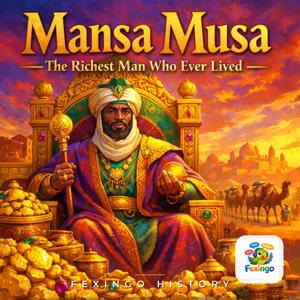


In 1328, Mansa Musa launched a brutal campaign against the Mossi kingdoms south of the Niger bend. The Mossi had raided the vital trade town of Timbuktu, threatening Mali's control of the Sahelian gold-salt routes. This episode explores the Mossi cavalry tactics, their decentralized chieftaincies, and how Musa's general Farba Bureima used scorched-earth warfare to push them back. We also examine the aftermath: the tribute system imposed on the Mossi, the cultural exchanges that followed, and why this war is often overlooked in favor of Musa's more famous hajj. Primary sources come from the Tarikh al-Sudan and oral traditions preserved by the jeliw. A lesser-known but pivotal conflict that shaped the borders of medieval West Africa.
#MansaMusa #MossiKingdoms #MaliEmpire #Timbuktu #FarbaBureima #TarikhAlSudan #Jeliw #Sahel #NigerBend #GoldSaltTrade #ScorchedEarth #Cavalry #OralTradition #1328 #WestAfrica #MedievalHistory #FexingoHistory #History
Keep every episode free: buymeacoffee.com/fexingo
Long before the hajj that broke Cairo's economy, Mansa Musa built a weapon no neighboring kingdom could match: a camel-mounted strike force that could cross the Sahara faster than any army. This episode follows the rise of Mali's camel corps—the kabila—and the enslaved Berber cavalrymen who rode them. We explore how Mansa Musa used these desert riders to enforce his salt monopoly at Taghaza, crush the Tuareg rebellion of 1325, and project power from the Niger bend to the Atlas Mountains. Drawing on accounts from al-Umari's Masalik al-Absar, Ibn Battuta's travels, and the Tarikh al-Sudan, we reconstruct the logistics of a camel army: how many animals, what they carried, how they fought. We also examine the darker side—the enslavement of Tuareg and Berber prisoners to man the corps—and the long-term consequences when later mansas neglected the desert patrols, leaving Mali vulnerable to the rising Songhai. If you've ever wondered how a landlocked empire ruled the sand, this one's for you.
#MansaMusa #MaliEmpire #CamelCorps #Sahara #Taghaza #alUmari #IbnBattuta #TarikhAlSudan #Tuareg #Berber #Kabila #SaltTrade #DesertWarfare #WestAfrica #MedievalAfrica #CamelCavalry #FexingoHistory #History
Keep every episode free: buymeacoffee.com/fexingo
In this episode, Lucas and Luna explore the silent barter trade of the Wangara, the secretive gold merchants of the Mali Empire. Operating across the Sahel from Bambuk and Bure to the Niger bend, the Wangara exchanged gold for salt from Taghaza and Takedda without ever meeting their trading partners face-to-face. Lucas explains how this system kept the sources of Mansa Musa's extraordinary wealth hidden for centuries, fooling even Arab geographers like al-Umari and Ibn Battuta. The Wangara, linked to the Soninke and Manding peoples, upheld a strict code of silence, passing trade routes and bargaining rituals down through families. The episode dives into the logistics of the silent market—unmanned bundles of salt and gold left at agreed locations—and reveals how this practice not only protected gold sources from foreign incursion but also shaped the cultural identity of the Mande world. It's a story of trust, secrecy, and economic ingenuity that made the Mali Empire the envy of the medieval world.
#MansaMusa #Wangara #SilentBarter #MaliEmpire #Bambuk #Bure #Taghaza #Takedda #Sahel #GoldTrade #SaltTrade #alUmari #IbnBattuta #Mande #Soninke #AfricanHistory #MedievalTrade #FexingoHistory
Keep every episode free: buymeacoffee.com/fexingo
Lucas and Luna dig into the source of Mansa Musa's legendary wealth—the goldfields of Bambuk and Bure. Drawing on al-Umari's Masalik al-Absar, the Tarikh al-Sudan, and oral traditions, Lucas explains how Mali's gold was extracted, controlled, and traded without ever revealing the mines' locations to outsiders. They explore the silent barter system of Wangara, the role of dyula merchants in financing the empire, and the environmental and human cost of gold mining in the Sahel. Lucas also describes how Mansa Musa's monetary reforms—standardizing the mithqal dinar—created Africa's first gold standard, and why the empire's wealth ultimately depended on careful regulation rather than sheer abundance. This episode offers a concrete look at the economic engine behind the richest man in history.
#MansaMusa #MaliEmpire #Bambuk #Bure #alUmari #MasalikAlAbsar #GoldMines #Wangara #SilentBarter #Dyula #Mithqal #Dinar #Sahel #WestAfrica #GoldStandard #MedievalEconomy #History #FexingoHistory
Keep every episode free: buymeacoffee.com/fexingo
In this episode of Fexingo History, Lucas and Luna dive into the economics of the Mali Empire under Mansa Musa. They explore how Mali's gold, copper, and salt were minted into a sophisticated currency system that spanned the Sahel. Learn about the famous gold nuggets weighed on mithqal scales, the copper credit markets in Takedda, and the state-controlled salt bars of Taghaza. Discover the role of the farba — imperial fiscal officers — who managed taxes and trade, and how Mansa Musa's regulation of gold dust stabilized an economy that stretched from Gao to Sijilmasa. The conversation also touches on the silent barter system with Wangara gold miners, the impact of the 1324 Cairo inflation, and the lasting legacy of a monetary system that rivaled anything in medieval Europe.
#MansaMusa #MaliEmpire #GoldStandard #Sahel #Currency #Farba #Takedda #Taghaza #Wangara #Sijilmasa #SaltTrade #Copper #Mithqal #CairoInflation #MedievalEconomics #WestAfrica #History #FexingoHistory
Keep every episode free: buymeacoffee.com/fexingo
In this episode, Lucas and Luna explore Mansa Musa's transformation of the Mali Empire's legal system. After his 1324 hajj, the emperor brought back not just gold and architects, but a cadre of Maliki-trained qadis—Islamic judges—who reshaped justice from Niani to Timbuktu. Learn how Musa balanced sharia with Mande customary law, how the farba (provincial governors) lost judicial power, and why a qadi once ruled on a case involving a stolen camel that turned into a diplomatic incident with the Songhai. Discover the role of jeliw (oral historians) in preserving verdicts, the tensions between Berber and Maliki jurists, and the legacy of Qadi al-Hajj Ibrahim, the first chief justice of the Sankore court. This episode also touches on the controversial execution of a farba for embezzling zakat funds—a case that still sparks debate among historians. For anyone drawn to the intersections of faith, power, and law in the medieval Sahel, this is essential listening.
#MansaMusa #MaliEmpire #Qadi #Sharia #Maliki #FexingoHistory #MedievalAfrica #Sahel #Niani #Timbuktu #Sankore #Jeliw #Farba #Songhai #Zakat #HistoryOfLaw #IslamicJustice #WestAfrica
Keep every episode free: buymeacoffee.com/fexingo
In 1325, the Mali Empire faced an unexpected crisis: a tax revolt in the salt mines of Taghaza. This episode unpacks the dramatic standoff between Mansa Musa's farba (governor) and the local Berber miners, who refused to pay the salt tax. Through the accounts of al-Umari and Ibn Battuta, we explore the economic stakes of the trans-Saharan salt trade, the brutal conditions of the desert mines, and how Musa's diplomatic skills defused the rebellion without a bloody crackdown. We also examine the logistical nightmare of transporting salt slabs by camel caravan, the role of Tuareg intermediaries, and the lasting impact on Mali's fiscal policies. This lesser-known episode reveals the human cost behind the empire's glittering wealth.
#MansaMusa #Taghaza #SaltTrade #MaliEmpire #TaxRevolt #1325 #farba #Sahara #IbnBattuta #alUmari #BerberMiners #TransSaharanTrade #EconomicHistory #WestAfrica #Sahel #SahelHistory #FexingoHistory #History
Keep every episode free: buymeacoffee.com/fexingo
In this episode of Fexingo History, Lucas and Luna explore the forgotten legacy of Mansa Musa's building projects beyond Timbuktu. While the Djinguereber Mosque is famous, a lesser-known structure in Gao—a massive, unfinished minaret—hints at a different story. Was it abandoned due to the Songhai uprising after Mansa Musa's death? Or did the shifting power dynamics of the Sahel leave it incomplete? Lucas unpacks the archaeological evidence from the Tarikh al-Sudan, the writings of al-Umari, and the oral traditions of the jeliw to reveal how this silent stone tower tells a tale of ambition, political fragility, and the limits of even the richest empire. Listeners will learn about the role of the farba in provincial administration, the strategic importance of Gao as a frontier city, and why the minaret was never finished. This episode offers a fresh angle on Mansa Musa's reign by focusing on what he left unfinished, and what that reveals about the cracks in his empire.
#MansaMusa #Gao #Minaret #MaliEmpire #Sahel #TarikhAlSudan #AlUmari #Jeliw #Farba #Songhai #NigerRiver #Mosque #Archaeology #OralTradition #IslamicArchitecture #UnfinishedHistory #History #FexingoHistory
Keep every episode free: buymeacoffee.com/fexingo
How did Mansa Musa's Mali Empire harness the annual flood of the Niger River to build its legendary wealth? This episode uncovers the ingenious floodplain tax system that turned seasonal waters into imperial gold. Lucas and Luna explore the role of the farba, the empire's provincial governors, who measured land in the Inland Niger Delta and collected taxes in grain, cotton, and gold. They discuss the dyula merchants who transported these goods, the impact of the Niger's flood cycle on agriculture, and how this system rivaled the tax networks of contemporary empires like the Mamluk Sultanate. Drawing on the accounts of al-Umari and the Tarikh al-Sudan, the episode reveals a hidden pillar of Mali's economy that funded mosques, universities, and the famous hajj of 1324. No clickbait—just the story of a river that built an empire.
#MansaMusa #NigerRiver #FloodplainTax #MaliEmpire #InlandNigerDelta #farba #dyula #alUmari #TarikhAlSudan #Sahel #WestAfrica #MedievalAfrica #Mande #Niani #Djenné #Timbuktu #History #FexingoHistory
Keep every episode free: buymeacoffee.com/fexingo
Mansa Musa's empire wasn't just built on gold and cavalry—marriage alliances were a key tool of statecraft. In this episode, Lucas and Luna explore the strategic marriages arranged by the Mali emperor to secure peace with the Mossi kingdoms and Songhai vassals. They trace the story of Princess Djeneba, a Mande noblewoman wed to the Mossi king in 1324, using treaties recorded in the Tarikh al-Sudan and oral traditions from the jeliw. The conversation also touches on the role of the farba as marriage brokers, the symbolism of kola nuts in betrothal rites, and how these unions stabilized the Sahel for a generation. A nuanced look at diplomacy beyond the battlefield.
#MansaMusa #MaliEmpire #Diplomacy #MarriageAlliance #PrincessDjeneba #MossiKingdoms #Songhai #farba #jeliw #kolaNuts #TarikhAlSudan #Sahel #Gold #Cavalry #WestAfrica #MedievalAfrica #History #FexingoHistory
Keep every episode free: buymeacoffee.com/fexingo
From the publisher's feed