
Sign up to save your podcasts
Or

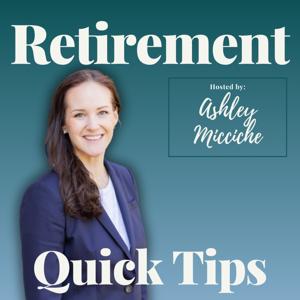

This week, I’m talking about 5 mistakes that smart investors don’t make in bear markets.
Yesterday, I talked about how to avoid buying losers, and today I’m continuing with mistake number 5, which is holding on to losers.
Quality is a critical component of a good investment. If something is cheap like the stock market is these days, not everything is cheap. An investment is only cheap if the price is low compared to it’s value or quality. Cheap by definition means: “worth more than its cost.” So it’s critical to avoid the losers in the first place, but sometimes after you buy something, it’s quality subsequently deteriorates, and you’re faced with a new dilemma - should I get out or hold on and see what happens.
There’s a lot at play when you make a decision about whether or not to let a soured investment go. But sell-discipline is very important to successful investing over time, and a few things can get in the way of a good sell-discipline.
The first is ego. If the investment was your idea in the first place, it can be difficult admitting you were wrong or detaching from the reasons you bought the investment in the first place. This is where DIY investors often get into trouble as I see that far too often they hold on to an investment for years after it should have been sold, too attached to let it go.
2nd is unfounded optimism. When you own an investment, it’s easy to achor on to the reasons why you bought it or what’s still good, despite the deteriorating future prospects. It’s kind of like a bad friendship. You might keep the friendship alive because of your history together or by hanging onto the positive aspects of the relationship, which can blind you to the fact that in reality the relationship or the other person is toxic and you shouldn’t be spending your precious time and energy with the relationship any longer.
The same is true for good investments that have since turned into losers. Just remember that it’s rare for any business to be a perennial powerhouse, so a sell-discipline is essential.
I’ll leave you with this tidbit to remind you about why it’s so important to sell a good investment once it’s gone bad. Over the past 60 years or so, the S&P 500's makeup has changed dramatically. So these are the largest, most well-known and successful businesses in the United States. As of 2019, only about 12% of the original companies in the S&P 500 remain. Some have been acquired or absorbed or sold or taken private, but many of those businesses failed as well, so it’s a sober reminder to always be willing to let go of a good investment gone bad, to prevent you from riding it all the way down to bankruptcy.
That’s it for today. Thanks for listening. My name is Ashley Micciche and this is the One Minute Retirement Tip.
----------
>>> Subscribe on iTunes: https://apple.co/2DI2LSP
>>> Subscribe on Amazon Alexa: https://amzn.to/2xRKrCs
>>> Check out our blog: https://truenorthretirementadvisors.com/blog/
----------
Tags: retirement, investing, money, finance, finances, financial planning, retirement planning, saving money, personal finance, wealth management, money tips, fee only financial advisor, financial planner, financial podcast, retirement podcast, financial independence podcast
 View all episodes
 By Ashley Micciche

4.9
5252 ratings
This week, I’m talking about 5 mistakes that smart investors don’t make in bear markets.
Yesterday, I talked about how to avoid buying losers, and today I’m continuing with mistake number 5, which is holding on to losers.
Quality is a critical component of a good investment. If something is cheap like the stock market is these days, not everything is cheap. An investment is only cheap if the price is low compared to it’s value or quality. Cheap by definition means: “worth more than its cost.” So it’s critical to avoid the losers in the first place, but sometimes after you buy something, it’s quality subsequently deteriorates, and you’re faced with a new dilemma - should I get out or hold on and see what happens.
There’s a lot at play when you make a decision about whether or not to let a soured investment go. But sell-discipline is very important to successful investing over time, and a few things can get in the way of a good sell-discipline.
The first is ego. If the investment was your idea in the first place, it can be difficult admitting you were wrong or detaching from the reasons you bought the investment in the first place. This is where DIY investors often get into trouble as I see that far too often they hold on to an investment for years after it should have been sold, too attached to let it go.
2nd is unfounded optimism. When you own an investment, it’s easy to achor on to the reasons why you bought it or what’s still good, despite the deteriorating future prospects. It’s kind of like a bad friendship. You might keep the friendship alive because of your history together or by hanging onto the positive aspects of the relationship, which can blind you to the fact that in reality the relationship or the other person is toxic and you shouldn’t be spending your precious time and energy with the relationship any longer.
The same is true for good investments that have since turned into losers. Just remember that it’s rare for any business to be a perennial powerhouse, so a sell-discipline is essential.
I’ll leave you with this tidbit to remind you about why it’s so important to sell a good investment once it’s gone bad. Over the past 60 years or so, the S&P 500's makeup has changed dramatically. So these are the largest, most well-known and successful businesses in the United States. As of 2019, only about 12% of the original companies in the S&P 500 remain. Some have been acquired or absorbed or sold or taken private, but many of those businesses failed as well, so it’s a sober reminder to always be willing to let go of a good investment gone bad, to prevent you from riding it all the way down to bankruptcy.
That’s it for today. Thanks for listening. My name is Ashley Micciche and this is the One Minute Retirement Tip.
----------
>>> Subscribe on iTunes: https://apple.co/2DI2LSP
>>> Subscribe on Amazon Alexa: https://amzn.to/2xRKrCs
>>> Check out our blog: https://truenorthretirementadvisors.com/blog/
----------
Tags: retirement, investing, money, finance, finances, financial planning, retirement planning, saving money, personal finance, wealth management, money tips, fee only financial advisor, financial planner, financial podcast, retirement podcast, financial independence podcast

1,955 Listeners

444 Listeners

810 Listeners

1,333 Listeners
536 Listeners
750 Listeners

548 Listeners
700 Listeners

620 Listeners

930 Listeners
833 Listeners

204 Listeners

584 Listeners

435 Listeners

1,069 Listeners