
Sign up to save your podcasts
Or

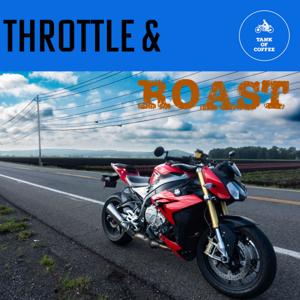

Modern motorcycle rider aids have fundamentally changed the way we experience two-wheeled travel, enhancing both safety and performance for riders of all skill levels. As technology has advanced, features once reserved for high-end models are now common even on more affordable motorcycles, ensuring a broader range of riders benefit from electronic assistance.
At the core of motorcycle rider aids is the principle of keeping the bike within its optimal performance envelope. Sensors and actuators work together to detect and respond to changes in traction, speed, and other conditions far more rapidly than a human could. These systems are not designed to replace rider skill but to augment it, providing an additional layer of safety and control.
One of the most well-known motorcycle rider aids is Anti-lock Braking System (ABS). ABS prevents wheel lock-up during hard braking, giving riders the ability to maintain steering control and reduce stopping distances in emergencies. Over the years, ABS has become lighter, more responsive, and less intrusive, with some advanced systems even offering off-road modes for dual-sport and adventure bikes.
Linked brakes represent another significant rider aid, distributing braking force between the front and rear wheels. This helps newer riders make effective use of both brakes and improves overall stopping power, especially in emergency situations.
The introduction of ride-by-wire throttles has opened the door to a host of additional electronic aids. By replacing the traditional cable throttle with electronic sensors and actuators, motorcycles can now offer features like cruise control, which reduces fatigue on long rides, and quickshifters, which enable clutchless upshifts (and sometimes downshifts) for smoother, faster gear changes.
Ride modes have also become standard on many modern bikes, allowing the rider to tailor throttle response, power delivery, and even traction control intervention to suit weather conditions or personal preference. Traction control itself is a vital motorcycle rider aid, preventing wheel spin by detecting differences in wheel speed and adjusting power output accordingly. Many bikes let riders customize the level of intervention for street or track use.
Other notable motorcycle rider aids include e-clutches and automatic transmissions, which make riding more accessible for beginners by simplifying gear changes or even eliminating the need for manual clutch operation. Finally, adaptive cruise control uses radar to maintain a safe following distance, automatically adjusting speed and even applying brakes when necessary.
In summary, motorcycle rider aids have made riding safer, more enjoyable, and accessible to a wider audience. These technologies build on one another, continuously pushing the boundaries of what motorcycles can do while supporting riders in a variety of conditions.
Read more:
Send us Fan Mail
Support the show
Thanks for listening!
Click the "Send us a Text Message" link above to send us your questions, comments, and feedback on the show! Please make sure you leave the podcast title. Or if you prefer to leave an audio message, leave us a voicemail on our website!
Subscribe to our newsletter to keep up to date on the latest from the show.
Check out our favorite products to use on and off your motorcycle.
 View all episodes
 By Tank of Coffee
5
66 ratings
Modern motorcycle rider aids have fundamentally changed the way we experience two-wheeled travel, enhancing both safety and performance for riders of all skill levels. As technology has advanced, features once reserved for high-end models are now common even on more affordable motorcycles, ensuring a broader range of riders benefit from electronic assistance.
At the core of motorcycle rider aids is the principle of keeping the bike within its optimal performance envelope. Sensors and actuators work together to detect and respond to changes in traction, speed, and other conditions far more rapidly than a human could. These systems are not designed to replace rider skill but to augment it, providing an additional layer of safety and control.
One of the most well-known motorcycle rider aids is Anti-lock Braking System (ABS). ABS prevents wheel lock-up during hard braking, giving riders the ability to maintain steering control and reduce stopping distances in emergencies. Over the years, ABS has become lighter, more responsive, and less intrusive, with some advanced systems even offering off-road modes for dual-sport and adventure bikes.
Linked brakes represent another significant rider aid, distributing braking force between the front and rear wheels. This helps newer riders make effective use of both brakes and improves overall stopping power, especially in emergency situations.
The introduction of ride-by-wire throttles has opened the door to a host of additional electronic aids. By replacing the traditional cable throttle with electronic sensors and actuators, motorcycles can now offer features like cruise control, which reduces fatigue on long rides, and quickshifters, which enable clutchless upshifts (and sometimes downshifts) for smoother, faster gear changes.
Ride modes have also become standard on many modern bikes, allowing the rider to tailor throttle response, power delivery, and even traction control intervention to suit weather conditions or personal preference. Traction control itself is a vital motorcycle rider aid, preventing wheel spin by detecting differences in wheel speed and adjusting power output accordingly. Many bikes let riders customize the level of intervention for street or track use.
Other notable motorcycle rider aids include e-clutches and automatic transmissions, which make riding more accessible for beginners by simplifying gear changes or even eliminating the need for manual clutch operation. Finally, adaptive cruise control uses radar to maintain a safe following distance, automatically adjusting speed and even applying brakes when necessary.
In summary, motorcycle rider aids have made riding safer, more enjoyable, and accessible to a wider audience. These technologies build on one another, continuously pushing the boundaries of what motorcycles can do while supporting riders in a variety of conditions.
Read more:
Send us Fan Mail
Support the show
Thanks for listening!
Click the "Send us a Text Message" link above to send us your questions, comments, and feedback on the show! Please make sure you leave the podcast title. Or if you prefer to leave an audio message, leave us a voicemail on our website!
Subscribe to our newsletter to keep up to date on the latest from the show.
Check out our favorite products to use on and off your motorcycle.

843 Listeners
43 Listeners

252 Listeners

338 Listeners

431 Listeners

89 Listeners

80 Listeners
191 Listeners

27 Listeners

3,858 Listeners

1,314 Listeners
32 Listeners

105 Listeners

22 Listeners

2,536 Listeners