
Sign up to save your podcasts
Or

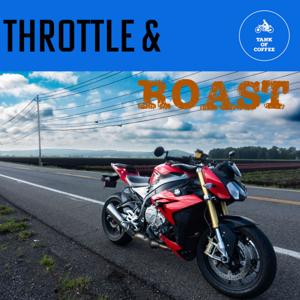


Riding a motorcycle is much more than just a thrilling way to get from point A to point B. Beyond the technical skills and legal requirements, there exists a crucial set of unwritten motorcycle rules that every rider encounters on the road. These rules are not found in any official handbook, yet they are passed down through generations of riders, forming the foundation of the motorcycle community’s culture and camaraderie. Understanding these unspoken guidelines is essential—not only to ensure your own safety, but also to earn the respect of fellow motorcyclists and to foster positive relationships with other road users.
The unwritten motorcycle rules begin with simple gestures, such as the traditional wave between riders—a silent acknowledgment of shared experience and mutual respect. They extend to riding etiquette, like maintaining proper lane positioning in group rides, signaling intentions early, and never tailgating another rider. These habits, while subtle, significantly impact everyone’s safety. Additionally, riders often offer assistance to one another, whether it’s helping with a roadside breakdown or sharing advice with less experienced bikers. This spirit of solidarity strengthens the sense of belonging within the community.
Another important aspect of these rules is the respect for personal space and equipment. Touching another rider’s motorcycle without permission is widely frowned upon, as bikes are often deeply personal possessions. Riders also understand the importance of dressing appropriately—not only for their own protection, but also to set an example for others. Wearing the right gear and maintaining a responsible attitude both on and off the bike reflect positively on the motorcycle community as a whole.
By adhering to the unwritten motorcycle rules, riders help maintain the trust, safety, and mutual support that make motorcycling such a unique and rewarding pursuit. Whether you’re a seasoned veteran or new to the world of two wheels, embracing these traditions fosters a safer and more enjoyable experience for everyone on the road.
Send us Fan Mail
Support the show
Thanks for listening!
Click the "Send us a Text Message" link above to send us your questions, comments, and feedback on the show! Please make sure you leave the podcast title. Or if you prefer to leave an audio message, leave us a voicemail on our website!
Subscribe to our newsletter to keep up to date on the latest from the show.
Check out our favorite products to use on and off your motorcycle.
In this episode, we dive deep into the trends in communication tech shaping the future of motorcycle audio and rider connectivity. As technology rapidly advances, riders are experiencing dramatic improvements in headset audio quality, active noise cancellation, and intercom capabilities. This summary explores the innovations, challenges, and future directions highlighted throughout the episode.
The evolution of motorcycle audio has seen a shift from tinny, low-fidelity speakers to near studio-quality sound in modern headsets. Early systems prioritized basic communication, but today’s headsets are designed for immersive music, clear GPS instructions, and seamless rider-to-rider conversations. Active noise cancelling is now emerging in high-end models, allowing riders to filter out wind, engine, and road noise for a safer and more enjoyable journey.
Communication systems have also advanced from cumbersome, wired intercoms to streamlined wireless connections. Bluetooth technology revolutionized helmet communication, enabling wireless links between riders, passengers, and devices like GPS units and smartphones. However, Bluetooth’s limited range and lack of robust self-healing connections led to frustrations, especially in larger group rides.
To address these issues, manufacturers have introduced mesh intercom technology, which forms dynamic networks where each headset can relay messages, greatly extending practical communication range. Mesh systems allow for automatic reconnection when riders drop in and out of range, making group rides more cohesive. Despite these advancements, interoperability between brands like Sena and Cardo remains a hurdle, as each uses proprietary mesh protocols. While Bluetooth fallback is possible, it doesn’t offer the same seamless experience.
Cellular-based IP telephony marks another leap forward, allowing riders to connect over virtually unlimited distances using mobile data networks. This approach offers flexibility for groups spread over long distances but is limited by cellular coverage in remote areas. Looking ahead, the industry is moving toward standardized mesh protocols and even vehicle-to-vehicle (V2V) communication, promising safer, smarter, and more connected riding experiences for all enthusiasts.
LINKS
Send us Fan Mail
Support the show
Thanks for listening!
Click the "Send us a Text Message" link above to send us your questions, comments, and feedback on the show! Please make sure you leave the podcast title. Or if you prefer to leave an audio message, leave us a voicemail on our website!
Subscribe to our newsletter to keep up to date on the latest from the show.
Check out our favorite products to use on and off your motorcycle.
Overcoming mental obstacles is a crucial part of solo motorcycling, as discussed in this episode of the Throttle and Roast podcast. Riding alone amplifies doubts, anxiety, and feelings of isolation because there’s no group to share the mental load or offer reassurance. The episode begins by exploring how these mental barriers often stem from our own minds and require proactive mindset shifts to overcome.
One common obstacle is the constant barrage of "what if" scenarios—worrying about mechanical issues, remote stretches of road, or other worst-case outcomes. The host suggests transforming this anxiety into a plan of action: verify your emergency gear before every ride and know exactly what steps you’d take if trouble arises. This approach turns vague worry into structured problem-solving.
Another challenge is dealing with intrusive thoughts, especially during long, monotonous rides on highways where boredom can let anxieties creep in. To counter this, the episode recommends anchoring your attention to the physical sensations of riding: feel the engine’s vibrations, notice your boots on the pegs, and scan the horizon for distinct colors. This mindfulness practice brings you back to the present and breaks the cycle of negative thinking.
The episode also addresses imposter syndrome that can arise when tackling unfamiliar terrain or technical challenges. Rather than focusing on the daunting length of the journey ahead, break it down into small, achievable milestones—like reaching the next gas station or mile marker. This makes the overall task more manageable and helps build confidence.
Finally, solo riders must manage their own pacing and resist the urge to overexert themselves without the group’s natural breaks. The host suggests setting rigid rules for rest stops—such as every 100 miles or two hours—to prevent fatigue and cognitive lapses.
By planning ahead, setting boundaries, and practicing radical acceptance that things may go wrong, riders can better prepare mentally for solo adventures. The episode encourages listeners to reflect on their own experiences and share the toughest mental obstacles they’ve overcome while riding solo.
Related episodes
Send us Fan Mail
Support the show
Thanks for listening!
Click the "Send us a Text Message" link above to send us your questions, comments, and feedback on the show! Please make sure you leave the podcast title. Or if you prefer to leave an audio message, leave us a voicemail on our website!
Subscribe to our newsletter to keep up to date on the latest from the show.
Check out our favorite products to use on and off your motorcycle.
Understanding overlooked motorcycle gear essentials is about more than just safety—it's about enhancing comfort, convenience, and the overall experience of every ride. In this episode, we spotlight the gear that makes riding more enjoyable and practical, whether you’re heading out for a daily commute or planning an epic weekend adventure.
We explore helmets that offer not only protection but also superior visibility, ventilation, and built-in tech features like Bluetooth communication or integrated sun visors. The discussion moves to jackets, pants, and suits designed for comfort, weather adaptability, and ample storage, with a look at how different materials and features can transform your time on the road.
Gloves and boots, too, are covered from a perspective of grip, tactile feedback, style, and weather resistance. We share our favorite picks for gear that keeps you warm in winter, cool in summer, and dry during sudden downpours—without sacrificing freedom of movement or personal style.
The episode also highlights must-have accessories that elevate the riding experience, such as quick-access tank bags, smartphone mounts, hydration packs, and modular luggage systems. We provide insights on how these motorcycle gear essentials make traveling easier and help you stay organized, connected, and ready for whatever the journey brings.
You’ll also learn practical tips for choosing gear that matches your riding style and personal preferences, along with advice on maintaining and upgrading your collection as your needs evolve. Listeners will walk away with a toolkit of ideas for making every ride smoother, more comfortable, and tailored to their unique adventures—proving that motorcycle gear essentials go far beyond basic protection and are a key part of enjoying the ride to the fullest.
Send us Fan Mail
Support the show
Thanks for listening!
Click the "Send us a Text Message" link above to send us your questions, comments, and feedback on the show! Please make sure you leave the podcast title. Or if you prefer to leave an audio message, leave us a voicemail on our website!
Subscribe to our newsletter to keep up to date on the latest from the show.
Check out our favorite products to use on and off your motorcycle.
The thought experiment of choosing one bike and coffee for life is a fascinating way to reflect on the intersection of passion, practicality, and personal taste. Imagine having to select just a single motorcycle and a specific coffee to enjoy for the rest of your days—what would you choose, and why? This scenario forces us to consider not only our strongest preferences but also the realities of comfort, versatility, longevity, and even the ability to maintain interest over many years.
When it comes to motorcycles, the challenge is to find a balance between excitement and practicality. The process begins by considering broad categories—cruisers, sport bikes, standards, adventure bikes, and more. Each category offers unique strengths and limitations, but the adventure bike stands out as an ideal candidate for a lifelong companion. Adventure bikes are celebrated for their versatility: they can handle city commutes, long-distance touring, and even some off-road escapades. Their upright seating position ensures comfort for both short rides and extended trips, while their middleweight variants are manageable as riders age. This makes them an appealing option for the “one bike for life” scenario.
Similarly, the choice of coffee is a deeply personal one. For some, a robust dark roast might be the ultimate pick-me-up, while others gravitate toward the nuanced flavors of a light roast. The experiment encourages reflection on what aspects of coffee bring the most joy and satisfaction. Is it the origin—perhaps the fruity complexity of an Ethiopian bean—or the style of drink, like a cortado that strikes the perfect balance between espresso and milk? Selecting “one coffee for life” means identifying the flavor and preparation that consistently delights, no matter the occasion.
Ultimately, the exercise of choosing one bike and coffee for life is not just about narrowing down favorites, but about understanding what truly matters in the experiences we seek. It’s an invitation to explore our motivations, value versatility and comfort, and appreciate the rituals that make our passions meaningful.
Send us Fan Mail
Support the show
Thanks for listening!
Click the "Send us a Text Message" link above to send us your questions, comments, and feedback on the show! Please make sure you leave the podcast title. Or if you prefer to leave an audio message, leave us a voicemail on our website!
Subscribe to our newsletter to keep up to date on the latest from the show.
Check out our favorite products to use on and off your motorcycle.
Choosing between hard or soft motorcycle luggage is a critical decision for riders, whether you’re planning a cross-country adventure or just need extra storage for daily commutes. The debate between these two options centers on several factors: weight, durability, protection, cost, convenience, and reusability. Both hard and soft motorcycle luggage have their own unique strengths and drawbacks, and understanding these will help you make the best choice for your riding style and needs.
Hard luggage, typically made from aluminum or durable plastics, offers robust protection against weather and theft. These cases are often lockable, keeping your gear safe from opportunistic thieves and shielding your valuables from rain and hail. However, hard luggage is usually heavier, adding significant weight to your bike and impacting the overall carrying capacity. This added mass can make handling more cumbersome and reduce payload for the gear you actually need to carry. Another consideration is crash durability: hard cases can withstand abrasion, but a strong impact may dent, crack, or even shatter the case, potentially requiring costly replacement.
On the other hand, soft motorcycle luggage is much lighter, often attaches with simple straps, and is generally more adaptable to different bikes. Soft bags excel in off-road situations, where their flexibility and shock-absorbing qualities reduce the risk of bag or rider damage during low-speed falls. While soft luggage is less expensive and typically easier to reuse across multiple bikes, it does not offer the same level of security or weather protection. Some soft bags feature waterproof liners, but this adds another step to packing, and they are more susceptible to theft due to their fabric construction.
Ultimately, the choice between hard or soft motorcycle luggage comes down to your priorities: if you value maximum protection and security, hard luggage may be best. If you want light weight, flexibility, and affordability, soft luggage is likely the better option. Consider your riding terrain, frequency of travel, and budget before making your decision.
Send us Fan Mail
Support the show
Thanks for listening!
Click the "Send us a Text Message" link above to send us your questions, comments, and feedback on the show! Please make sure you leave the podcast title. Or if you prefer to leave an audio message, leave us a voicemail on our website!
Subscribe to our newsletter to keep up to date on the latest from the show.
Check out our favorite products to use on and off your motorcycle.
Trail braking is a vital technique for motorcyclists who want to improve their cornering skills, ride more safely, and boost their overall confidence on the road. In this episode, we dive deep into the mechanics and benefits of trail braking, explaining why it’s a must-have skill for riders of all levels. Whether you’re just starting out or you have years of experience, understanding and mastering trail braking can be transformative for your riding.
We begin by demystifying what trail braking actually means. Unlike traditional braking, which is typically completed before entering a corner, trail braking involves continuing to apply the brakes as you lean into the turn, gradually easing off as the bike reaches its apex. This technique allows riders to better control their speed and weight distribution, making cornering both smoother and more predictable.
Our discussion covers the science behind why trail braking works. By maintaining a slight brake pressure into the corner, you keep the motorcycle’s front suspension compressed, which increases the front tire’s grip. This enhanced contact with the road surface offers greater stability and allows for quick line adjustments if needed. We also explore how trail braking can help in emergency scenarios—by keeping more options open if a hazard appears mid-corner, reducing the risk of target fixation or running wide.
Practical tips are shared for learning trail braking safely. We emphasize the importance of practicing in a controlled environment, such as a closed course or empty parking lot, before trying it out on public roads. Key points include starting with gentle brake pressure, focusing on smooth transitions, and always prioritizing safety over speed. We also highlight common mistakes, like grabbing too much brake or releasing pressure too suddenly, and offer advice on how to avoid them.
Whether you’re looking to upskill your riding or simply become a safer motorcyclist, trail braking is a technique worth adding to your toolkit. This episode provides actionable insights to help you get started and progress with confidence.
Send us Fan Mail
Support the show
Thanks for listening!
Click the "Send us a Text Message" link above to send us your questions, comments, and feedback on the show! Please make sure you leave the podcast title. Or if you prefer to leave an audio message, leave us a voicemail on our website!
Subscribe to our newsletter to keep up to date on the latest from the show.
Check out our favorite products to use on and off your motorcycle.
In this episode, we delve into the concept of "the intermediate trap," a phase that many riders encounter around their third year on a motorcycle. The intermediate trap is when a rider is no longer a beginner, but not yet an expert—a stage where increased confidence can outpace the development of sound judgment and refined skills. This combination often creates a perfect storm, making this period the most dangerous time in a motorcyclist’s journey. We explore why this trap is so common and highlight the key issues that can arise during this phase, along with practical strategies to overcome them.
One of the first areas discussed is body position. Many intermediate riders unknowingly maintain habits from their beginner days, such as a death grip on the handlebars, locked elbows, or stiff shoulders. These postures reduce control and increase fatigue, making the bike feel nervous and less responsive. Proper foot placement is also crucial; relying on the arches or heels instead of the balls of the feet can diminish a rider's ability to steer and balance the motorcycle through subtle weight shifts.
Vision and mental habits are another major theme. Intermediate riders often fall into short-sighted tracking, focusing only a few feet ahead of the front wheel, which leads to jerky corrections and missed hazards. Conversely, target fixation can cause riders to crash into obstacles they're trying to avoid, such as a tree on the side of the road. Lazy scanning, especially on familiar routes, delays hazard recognition and increases the risk of accidents.
The episode also addresses common pitfalls with cornering and braking, including abrupt mid-corner corrections, failing to look through turns, and relying too heavily on the rear brake. Riders in the intermediate trap may also overestimate their abilities, neglecting to adjust their pace for weather, road conditions, or mechanical issues. Fatigue and dehydration are additional hazards, as riders push themselves longer than they should without breaks.
Ultimately, the podcast encourages self-awareness and continuous learning, reminding listeners that escaping the intermediate trap means balancing growing confidence with honest assessment of one’s skills and always adapting to conditions.
Send us Fan Mail
Support the show
Thanks for listening!
Click the "Send us a Text Message" link above to send us your questions, comments, and feedback on the show! Please make sure you leave the podcast title. Or if you prefer to leave an audio message, leave us a voicemail on our website!
Subscribe to our newsletter to keep up to date on the latest from the show.
Check out our favorite products to use on and off your motorcycle.
Motorcycles that aged well are a fascinating phenomenon in the world of two wheels. These are the bikes that, upon their debut, were often overlooked, misunderstood, or even ridiculed by critics and consumers alike. Yet, with the passage of time, they have not only found their place in the hearts of enthusiasts but have also become icons, collectibles, or even the core of entire motorcycle categories. This transformation from dismissed oddities to beloved classics (or modern cult favorites) demonstrates how design, innovation, and public perception can evolve over decades.
Take, for example, the Honda Super Cub. Launched in 1958, it was initially doubted by the press—skeptics believed Honda’s ambitious sales goals were unrealistic. However, the Super Cub’s approachable design, reliability, and practical utility led it to become the most popular motor vehicle in history, with over 100 million units sold. Similarly, the BMW R80 GS was considered too heavy and strange-looking for off-road riding by early reviewers. Despite this, it pioneered the adventure bike segment, becoming the backbone for BMW’s global leadership in motorcycle sales decades later.
Other motorcycles that aged well include the Honda Gold Wing, which was initially confusing in its purpose but ultimately set the standard for touring bikes, and the Ducati Monster, a stripped-down naked bike that saved Ducati from financial collapse and remains a favorite among riders. The Triumph Bonneville also tells a story of resurgence, returning after the brand’s near-demise to tap into retro nostalgia and drive Triumph’s modern success.
Styling outliers like the Honda Pacific Coast, BMW K1, and Suzuki Hayabusa were criticized for their unconventional looks or misunderstood engineering. Today, these bikes are celebrated for their originality and are highly sought after by collectors. Even models like the Honda Rune and BMW R1200C, initially commercial disappointments, have become objects of admiration as their unique designs are reevaluated. In essence, motorcycles that aged well remind us that time can turn yesterday’s misfits into tomorrow’s legends.
Send us Fan Mail
Support the show
Thanks for listening!
Click the "Send us a Text Message" link above to send us your questions, comments, and feedback on the show! Please make sure you leave the podcast title. Or if you prefer to leave an audio message, leave us a voicemail on our website!
Subscribe to our newsletter to keep up to date on the latest from the show.
Check out our favorite products to use on and off your motorcycle.
When it comes to motorcycle safety and performance, a "GVWR reality check" is essential for every rider who plans to carry passengers or luggage. GVWR, or Gross Vehicle Weight Rating, is the maximum total weight your motorcycle can safely handle, including its own weight, fluids, accessories, rider(s), and all gear. Many riders are surprised to learn how quickly they can reach or exceed this limit, especially when riding two-up or packing for a longer trip. Ignoring GVWR is not just a technical oversight—it can have profound implications for your safety and your bike’s longevity.
Understanding GVWR starts with knowing the difference between dry weight, curb (wet) weight, and payload. Manufacturers often highlight the lowest possible weight for marketing reasons, but it’s the fully loaded, ready-to-ride number that matters when calculating your actual carrying capacity. Subtracting the curb weight from the GVWR gives you the payload, which is the total amount you can safely add—rider(s), gear, and luggage. For most motorcycles, payload falls between 400 and 500 pounds, which can be eaten up quickly by two adults and a few bags. If you haven’t done the math on your riding weight—including clothing, helmet, and accessories—you may be closer to the limit than you think.
Overloading your bike has real-world consequences. As you approach or exceed GVWR, stopping distances increase, acceleration drops, and handling can become unpredictable, especially in corners or with a shifting passenger. Excess weight puts added strain on brakes and tires, leading to faster wear and higher maintenance costs. Tire failure due to overloading is a serious risk, and a blown tire while riding is potentially catastrophic. The chassis and suspension are also only designed to handle so much weight, and exceeding the limit can lead to premature wear or even structural failure.
To manage your load responsibly, get into the habit of checking your preload and tire pressures before every ride, especially when you switch between riding solo and riding two-up or with luggage. Consider riding solo, investing in lighter gear, or splitting luggage between bikes if you routinely travel fully loaded. Ultimately, respecting your motorcycle’s GVWR is a simple, vital step toward safer, more enjoyable riding.
Send us Fan Mail
Support the show
Thanks for listening!
Click the "Send us a Text Message" link above to send us your questions, comments, and feedback on the show! Please make sure you leave the podcast title. Or if you prefer to leave an audio message, leave us a voicemail on our website!
Subscribe to our newsletter to keep up to date on the latest from the show.
Check out our favorite products to use on and off your motorcycle.
From the publisher's feed
Are you a motorcycle enthusiast who cannot start the day without a perfectly brewed cup of coffee? Join Niels Meersschaert on Throttle and Roast as he blends his 25 years of riding experience…

838 Listeners

43 Listeners

252 Listeners

328 Listeners

430 Listeners

87 Listeners

80 Listeners

191 Listeners

27 Listeners

3,049 Listeners

1,106 Listeners

31 Listeners

102 Listeners

22 Listeners

2,342 Listeners